
Trauma Treatment
Still carrying the weight of what happened?
At Virtue At The Pointe, we offer trauma-informed care that helps you feel safe, seen, and supported as you heal.
Begin your trauma recovery journey today.



What is Trauma?
Trauma is at the root of many mental health problems, including post-traumatic stress disorder, substance abuse and acute stress disorder. The American Psychological Association defines trauma as an emotional response to any traumatic experience, such as sexual assault or a natural disaster. Some people also experience chronic trauma, or prolonged exposure to distressing events. This type of trauma can be associated with child abuse, domestic violence or long-term sexual abuse. If you’ve experienced trauma, it’s important to see a mental health professional to work through your emotional reactions and learn effective coping strategies.

What is Trauma?
Trauma is at the root of many mental health problems, including post-traumatic stress disorder, substance abuse and acute stress disorder. The American Psychological Association defines trauma as an emotional response to any traumatic experience, such as sexual assault or a natural disaster. Some people also experience chronic trauma, or prolonged exposure to distressing events. This type of trauma can be associated with child abuse, domestic violence or long-term sexual abuse. If you’ve experienced trauma, it’s important to see a mental health professional to work through your emotional reactions and learn effective coping strategies.

Types of Trauma
The National Child Traumatic Stress Network has identified 13 types of trauma that have lasting effects. Some types of trauma can occur at any age, while others only occur during childhood and adolescence. For example, early childhood trauma affects children 6 years of age and younger. This type of trauma can result from child abuse, sexual abuse, family violence, natural disasters or war. Some children even experience trauma after a serious injury or accident.
Young people may also experience medical trauma after serious illnesses, surgical procedures or invasive examinations. In some children, medical trauma can cause flashbacks or nightmares. Other children engage in avoidance, or refusal to think about anything related to the trauma they experienced. Medical trauma can make it more difficult for people to take their medications or seek medical care when they’re older, so it can have long-term effects.
The following types of trauma can also contribute to substance abuse problems or the development of other mental health conditions:
- Community violence
- Bullying
- Natural disasters
- Intimate partner violence
- Complex trauma
- Physical abuse
- Sexual abuse
- Refugee trauma
- Terrorism and violence (e.g., mass shootings)
- Sex trafficking
- Traumatic grief
Trauma Treatment Options
There’s no one-size-fits-all treatment plan that works for everyone with a history of trauma, but some treatments are more common than others.
Cognitive Behavioral Therapy
Cognitive behavioral therapy is based on the idea that some mental health problems are linked to unhealthy patterns of behavior or ways of thinking. During a cognitive therapy session, a trained therapist helps a patient recognize faulty thinking patterns, improve their problem-solving skills and increase their confidence. A CBT session may also include some role-playing to help the patient learn how to resolve conflict in a healthy way.
Cognitive Processing Therapy
Cognitive processing therapy is a form of individual therapy that’s often used as a PTSD treatment. During a CPT session, a therapist helps a patient challenge harmful beliefs related to their trauma, which helps reduce the symptoms of PTSD over time. The therapist also teaches the patient strategies to improve their functioning.
Eye Movement Desensitization and Reprocessing (EMDR)
EMDR therapy aims to reduce anxiety and stress related to trauma, particularly in people struggling with PTSD. This therapeutic approach recognizes that past trauma can trigger harmful beliefs and emotions in the present, impairing a person’s adaptive behaviors in the future. During an EMDR session, the patient focuses on a trauma memory while the therapist guides them through a series of tapes, tones or bilateral eye movements.
These exercises help the patient eliminate negative emotions, beliefs and physical symptoms by disrupting the stored memory of the event. An EMDR session typically lasts 50 to 90 minutes, and a patient may engage in three to 12 sessions — or more — depending on the severity of their symptoms.
Somatic Experiencing
SE is one of the trauma-focused treatments that can help relieve the symptoms of PTSD and other trauma-related mental health conditions. Developed by Dr. Peter Levine, SE focuses on the physiological responses that occur when someone has traumatic memories. Levine developed SE based on the idea that some people “freeze” during a traumatic experience.
During an SE session, the therapist asks the patient to focus on the physical sensations that occur when thinking about past trauma. Then the patient focuses on happy memories of a person, place or object, giving them the resilience needed to confront the trauma and start to overcome it. According to the SE perspective, shivering, shaking and other physical changes occur when the body starts to expel the energy that built up during the trauma.
Verify Insurance Coverage Today
Many insurance plans cover some type of addiction treatment. Contact Virtue at the Pointe for verification of your benefits.



What is Post-Traumatic Stress Disorder?
Post-traumatic stress disorder develops in some people who experience or witness a traumatic event. It’s typically associated with members of the military who witness violent deaths or experience serious injuries during combat, but it can develop in people of all ages and backgrounds. Trauma survivors report PTSD symptoms after experiencing natural disasters, witnessing violence in the workplace or escaping abusive relationships, among other traumatic events.
PTSD Trauma Symptoms
PTSD symptoms are typically grouped into four categories. The intrusive memories category includes symptoms such as repeated memories of the traumatic event, nightmares about the event, flashbacks and severe distress when faced with a reminder of the traumatic event. People display avoidance symptoms when they try not to think about the event, refuse to talk about the event or stay away from people and places associated with the event.
Many symptoms are classified as negative changes in thinking and mood, including hopelessness, negative thoughts about the self or others, memory problems, a sense of detachment, lack of interest in activities that used to be enjoyable and difficulty maintaining relationships. Some people also experience the following emotional and physical symptoms: self-destructive behavior, difficulty sleeping, difficulty concentrating, irritability, high levels of aggression, being easily startled and having angry outbursts.

What is Post-Traumatic Stress Disorder?
Post-traumatic stress disorder develops in some people who experience or witness a traumatic event. It’s typically associated with members of the military who witness violent deaths or experience serious injuries during combat, but it can develop in people of all ages and backgrounds. Trauma survivors report PTSD symptoms after experiencing natural disasters, witnessing violence in the workplace or escaping abusive relationships, among other traumatic events.
PTSD Trauma Symptoms
PTSD symptoms are typically grouped into four categories. The intrusive memories category includes symptoms such as repeated memories of the traumatic event, nightmares about the event, flashbacks and severe distress when faced with a reminder of the traumatic event. People display avoidance symptoms when they try not to think about the event, refuse to talk about the event or stay away from people and places associated with the event.
Many symptoms are classified as negative changes in thinking and mood, including hopelessness, negative thoughts about the self or others, memory problems, a sense of detachment, lack of interest in activities that used to be enjoyable and difficulty maintaining relationships. Some people also experience the following emotional and physical symptoms: self-destructive behavior, difficulty sleeping, difficulty concentrating, irritability, high levels of aggression, being easily startled and having angry outbursts.

Benefits of Working With a Mental Health Professional
Whether you have post-traumatic stress disorder or acute stress disorder, there are many benefits to working with a mental health professional. A licensed counselor can help you work through traumatic memories and make sense of traumatic experiences, both of which can help you take the first step toward recovery. Working with a trauma-informed therapist can also help you change your thought patterns and improve your coping skills, making it easier to manage trauma-related symptoms.
Our Oregon Addiction Treatment Locations
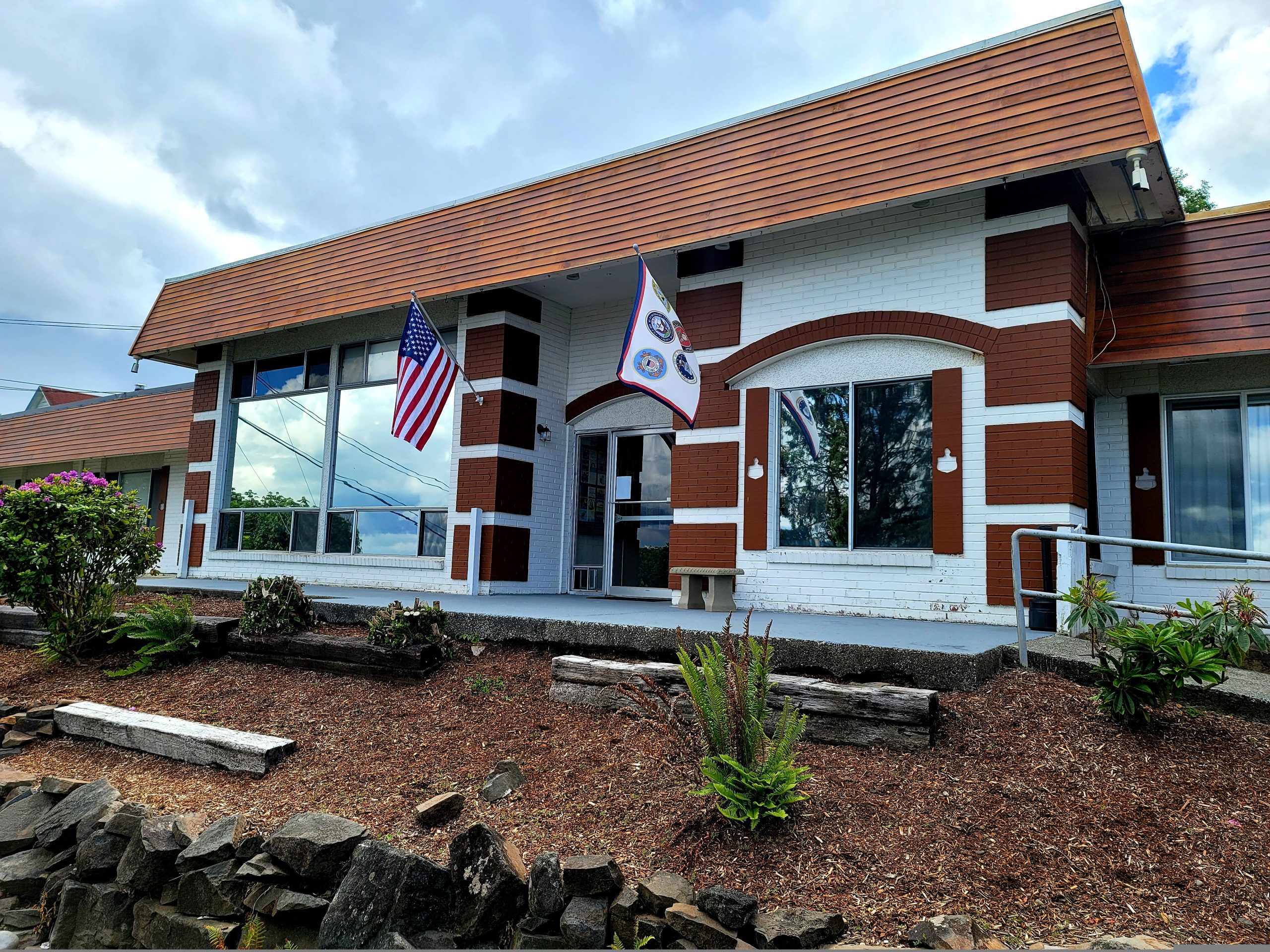
Our Astoria Inpatient Addiction Treatment Center
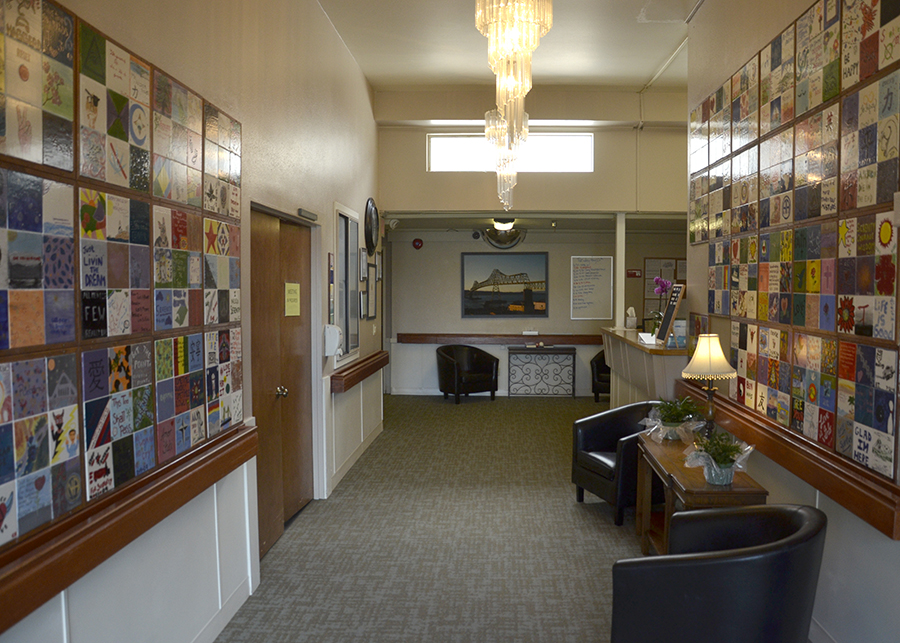
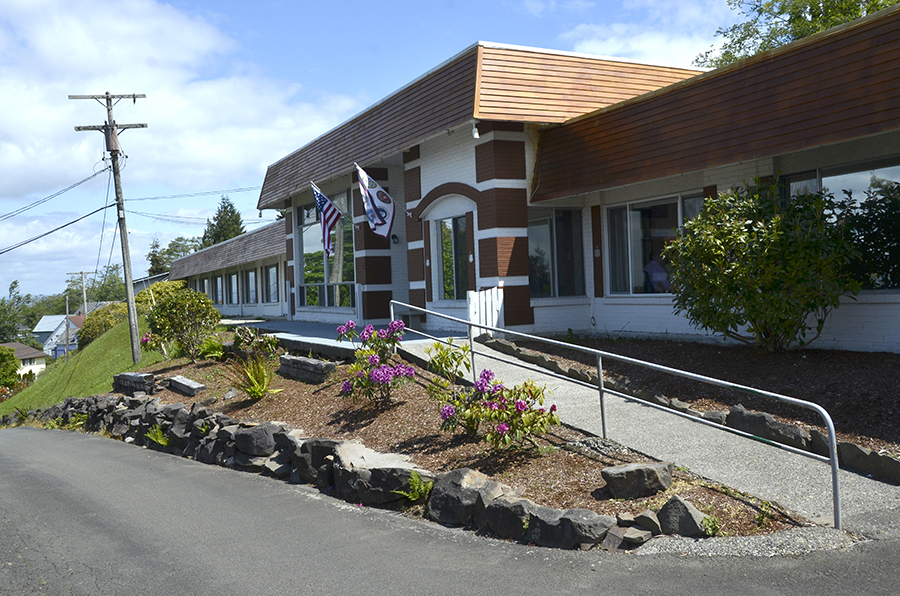
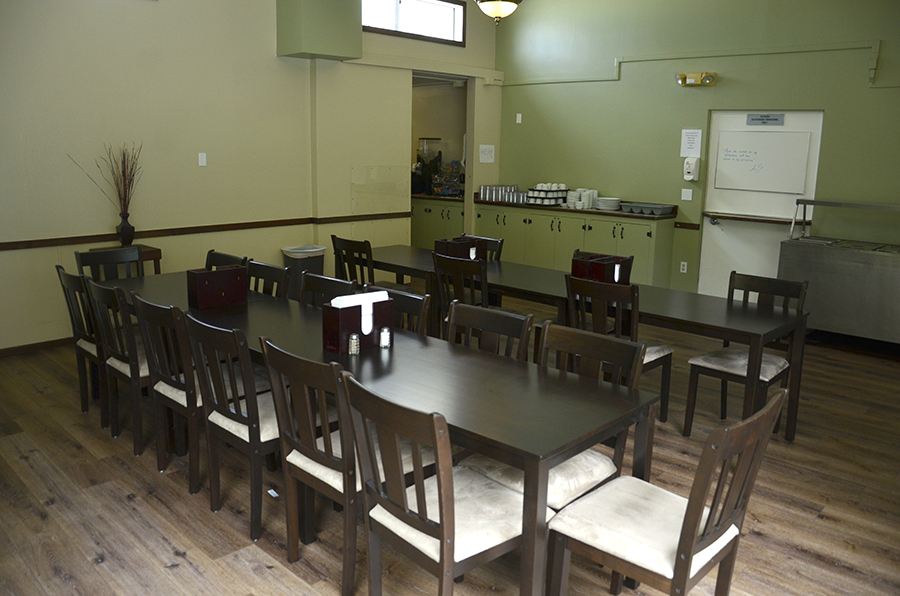
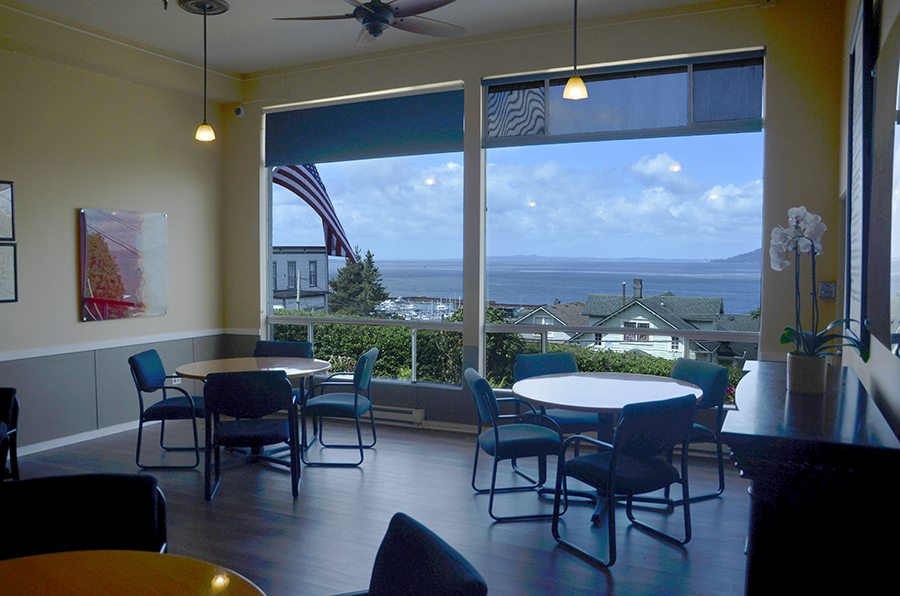
At Virtue At The Pointe in Astoria, Oregon, we understand that trauma changes everything—and that healing takes time, safety, and support. Our inpatient program offers a peaceful environment where individuals can step away from the chaos of daily life and focus fully on recovery. Surrounded by the natural beauty of the Pacific Northwest, our facility is designed to foster calm, clarity, and emotional safety.
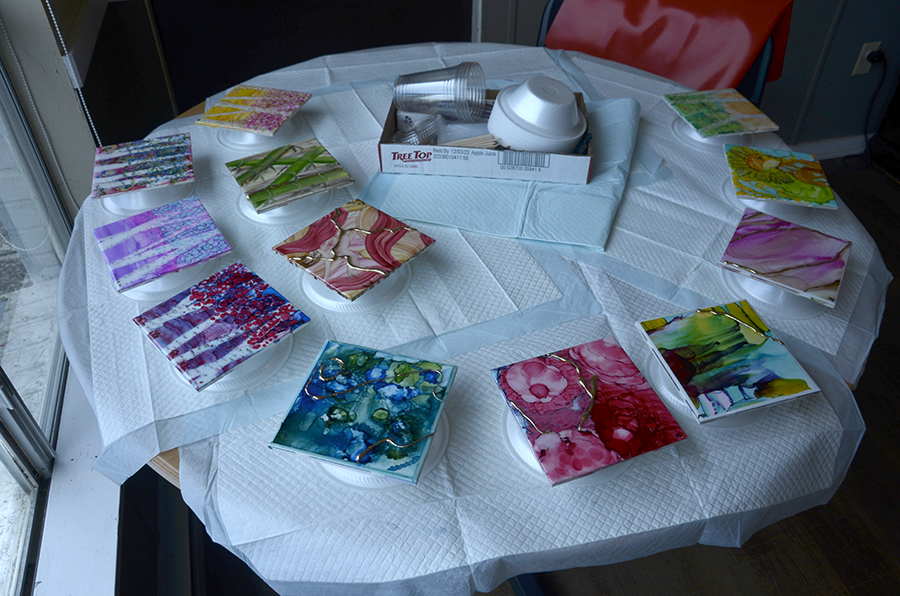
We provide 24/7 care rooted in trauma-informed practices, recognizing that substance use is often a response to unresolved pain. Each client receives a personalized treatment plan that addresses the emotional, physical, and psychological impact of trauma. Therapy, medication management, and holistic wellness activities all play a role in restoring balance and rebuilding trust—within oneself and with others.
For Veterans, we offer a specialized addiction and trauma treatment track that honors military culture and addresses service-related stressors such as PTSD, combat trauma, and reintegration challenges. Our trained team understands the complex ways trauma affects Veterans and creates space for healing with dignity, structure, and peer connection.
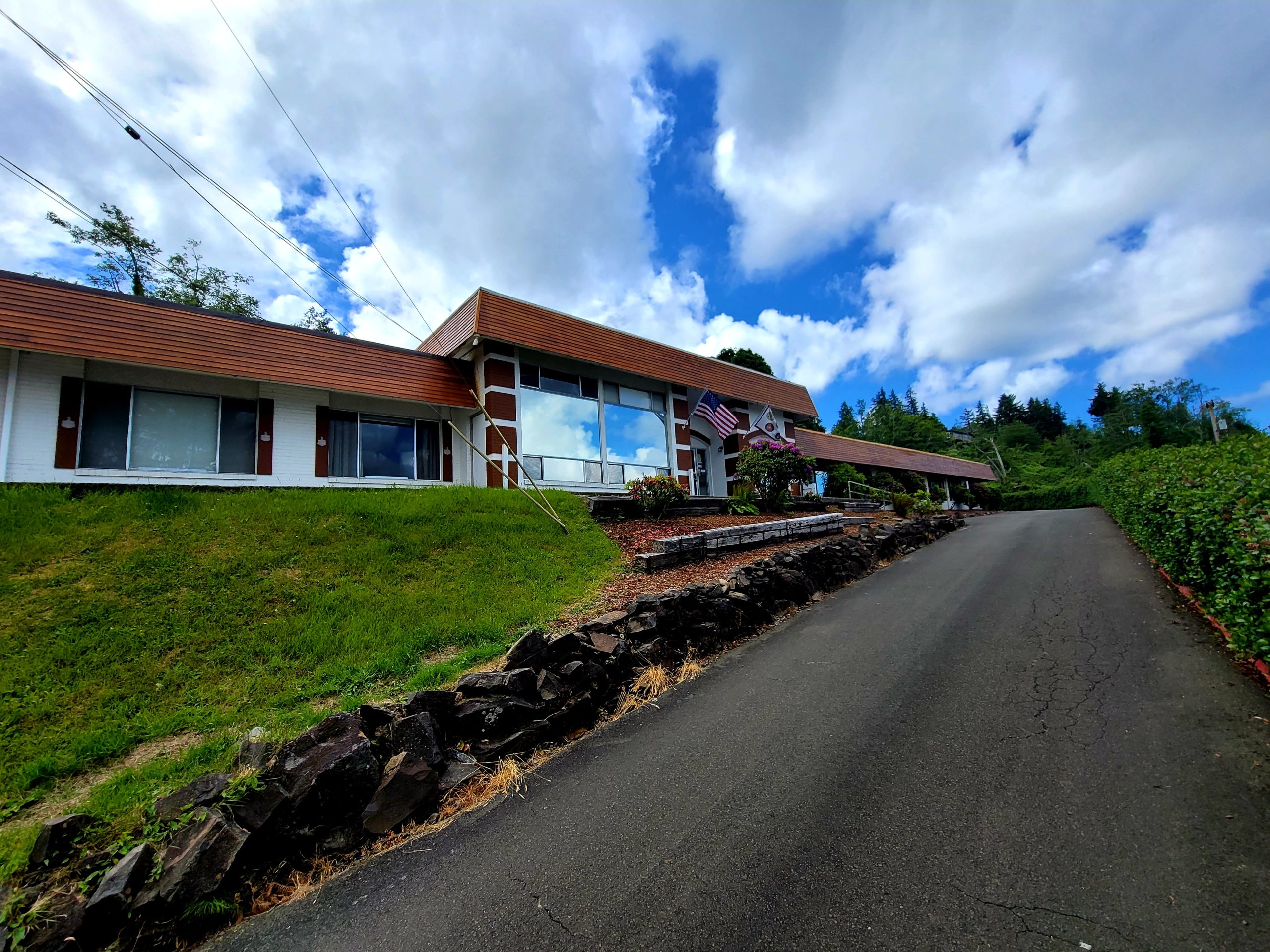

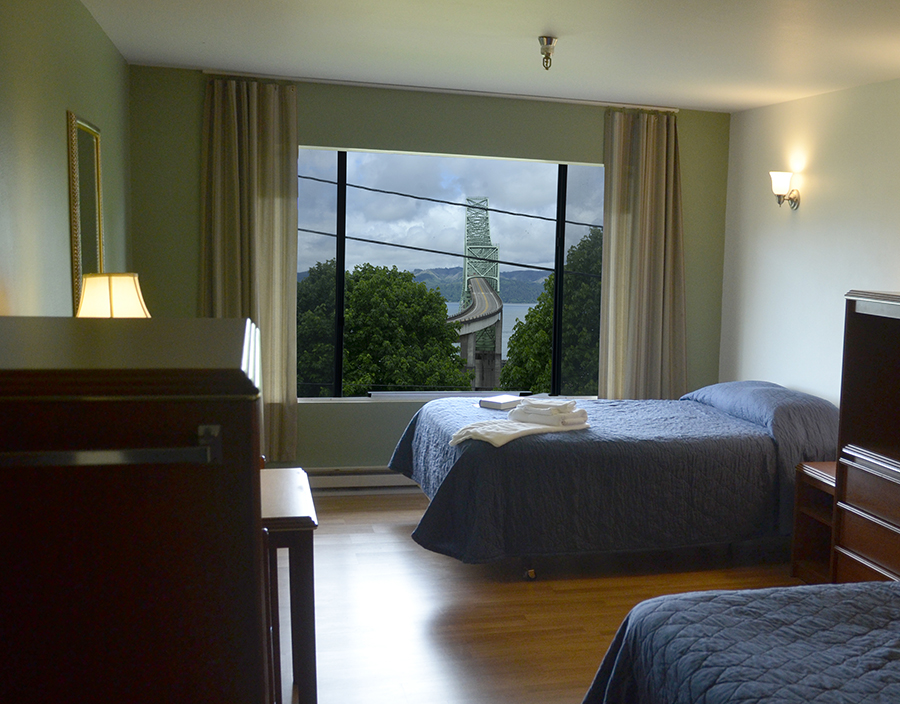
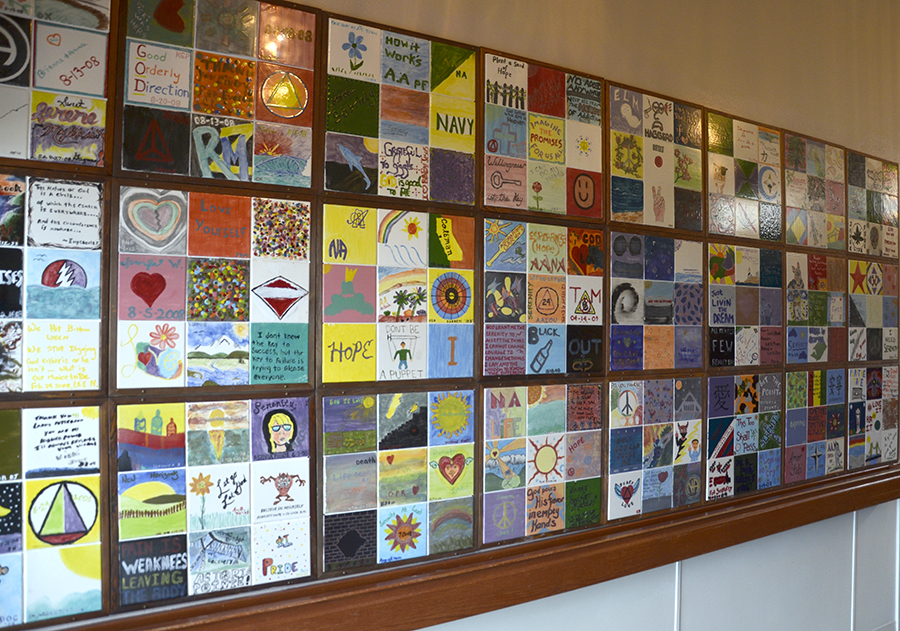

Our Milwaukie Outpatient Addiction Treatment Center
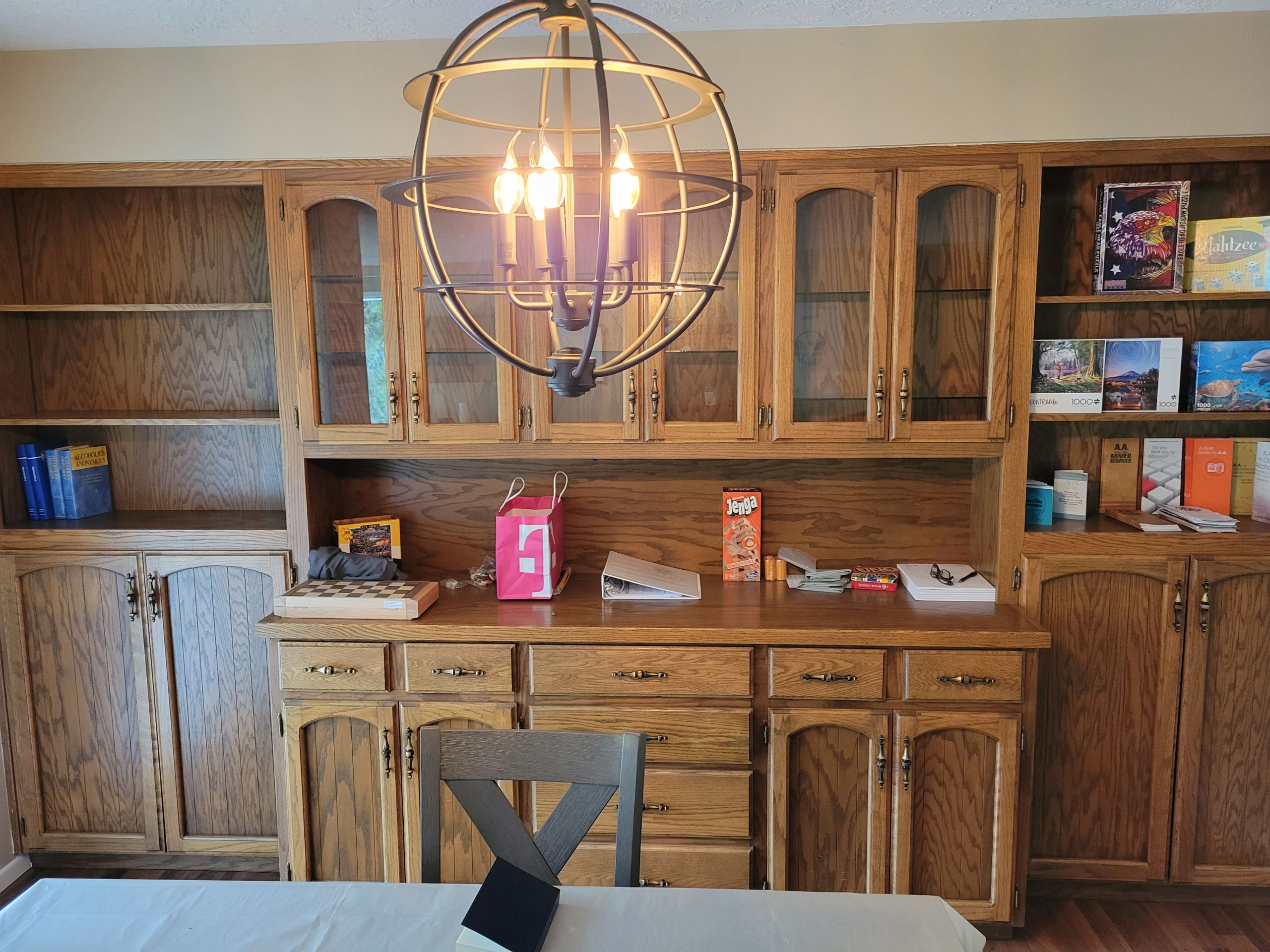
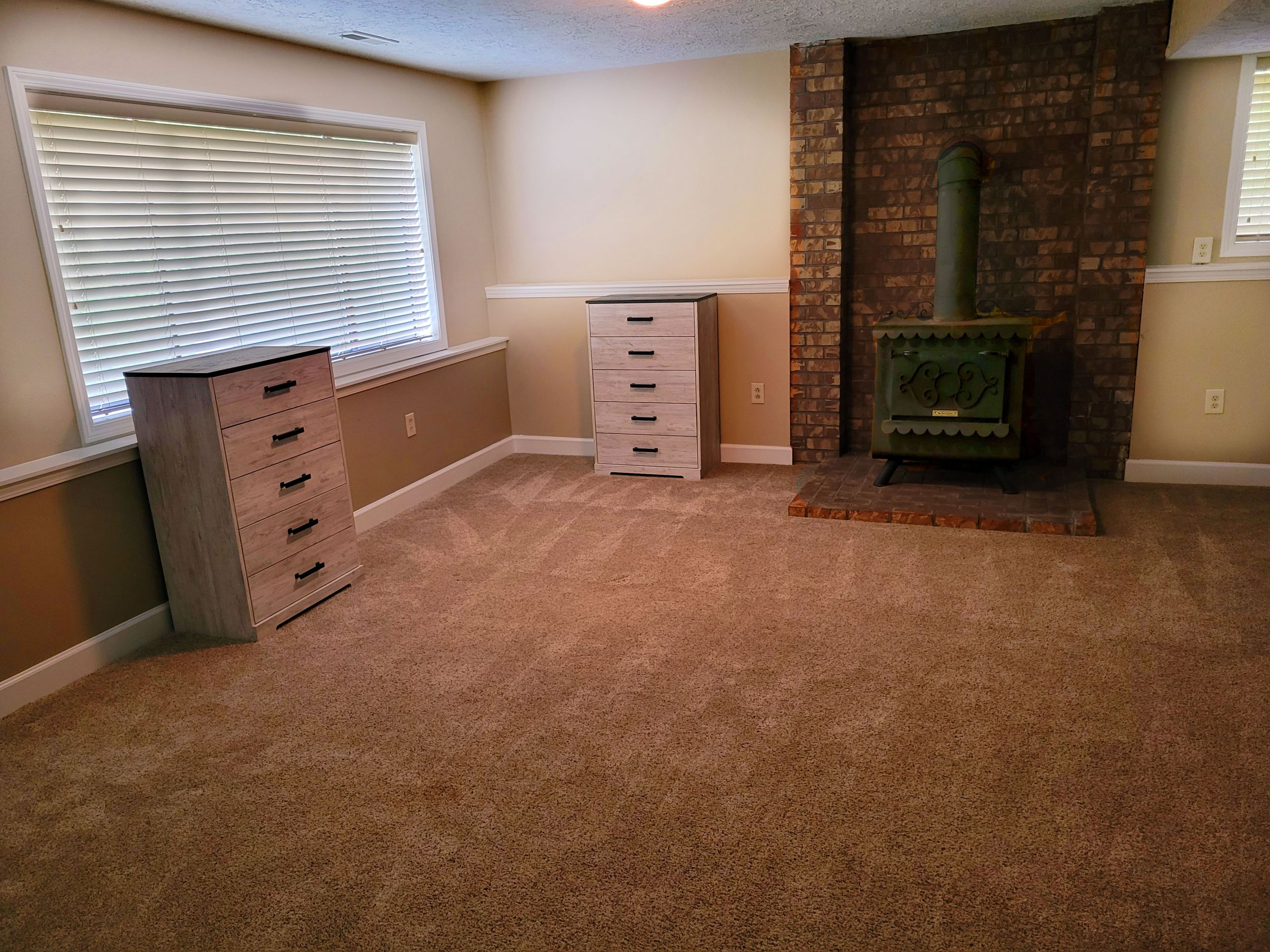
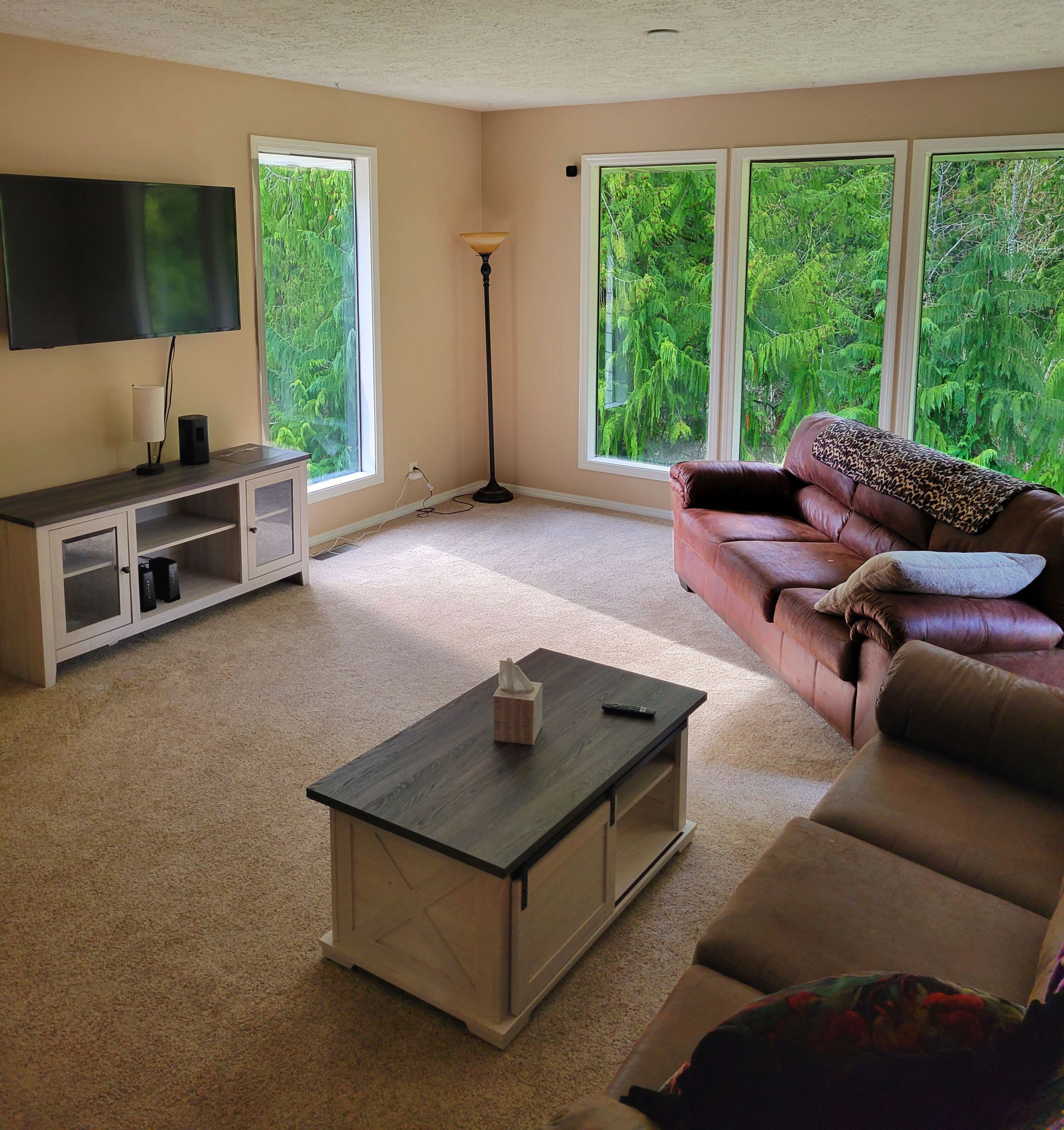
Healing from trauma doesn’t always mean stepping away from your entire life. At Virtue At The Pointe’s outpatient center in Milwaukie, Oregon, we offer flexible, trauma-informed care that fits into your daily routine. Whether you’re returning from inpatient treatment or beginning your journey while managing work, school, or family responsibilities, we’re here to meet you where you are.
Our Partial Hospitalization Program (PHP) and Intensive Outpatient Program (IOP) offer structure and support without the need for full-time residential care. You’ll participate in individual therapy, group counseling, and trauma-focused education, all personalized to your emotional needs and healing goals. Our therapists are trained to address PTSD, complex trauma, and co-occurring conditions like depression and anxiety.
For Veterans, we offer outpatient services specifically tailored to address service-related trauma and the challenges of reintegration. With culturally competent care and peer support, Veterans find a safe, structured space to work through combat trauma, PTSD, and substance use.

Our Milwaukie Outpatient Addiction Treatment Center
Healing from trauma doesn’t always mean stepping away from your entire life. At Virtue At The Pointe’s outpatient center in Milwaukie, Oregon, we offer flexible, trauma-informed care that fits into your daily routine. Whether you’re returning from inpatient treatment or beginning your journey while managing work, school, or family responsibilities, we’re here to meet you where you are.
Our Partial Hospitalization Program (PHP) and Intensive Outpatient Program (IOP) offer structure and support without the need for full-time residential care. You’ll participate in individual therapy, group counseling, and trauma-focused education, all personalized to your emotional needs and healing goals. Our therapists are trained to address PTSD, complex trauma, and co-occurring conditions like depression and anxiety.
For Veterans, we offer outpatient services specifically tailored to address service-related trauma and the challenges of reintegration. With culturally competent care and peer support, Veterans find a safe, structured space to work through combat trauma, PTSD, and substance use.






Ready to Begin Healing From Trauma?
Healing from trauma doesn’t mean forgetting—it means learning to feel safe in your own mind and body again. If you’ve been living in survival mode, disconnected from yourself or the people you love, it’s okay. That pain is real, but it doesn’t have to be permanent.
At Virtue At The Pointe, our trauma-informed approach gives you the tools and support to work through the root of your pain—not just the symptoms. Whether your trauma was recent or long ago, we offer a safe, affirming space where you’ll be heard, believed, and supported without judgment.
If you’re ready to explore what healing can look like for you, we’re here to walk beside you. Our caring team is available 24/7 to answer questions and help you take that first courageous step. You don’t have to do this alone—recovery starts with one conversation.
What Our Clients Are Saying
FAQs About Trauma Treatment at VATP Oregon
What types of trauma do you treat?
We treat many forms of trauma, including physical, emotional, and sexual abuse; domestic violence; neglect; combat-related trauma; accidents; and grief or loss.
Is PTSD the same as trauma?
PTSD (Post-Traumatic Stress Disorder) is a specific mental health condition that can develop after trauma. Not everyone who experiences trauma develops PTSD.
What is trauma-informed care?
Trauma-informed care is an approach that recognizes the widespread impact of trauma and emphasizes safety, trust, choice, and empowerment in every part of treatment.
Can trauma be treated without medication?
Yes. While medication can help manage symptoms like anxiety or depression, many individuals benefit from therapy-only approaches. Treatment is always personalized.
Do you treat childhood trauma?
Yes. Many of our clients have unresolved trauma from childhood, including abuse, neglect, or abandonment. We provide sensitive, age-appropriate care for adult survivors.
Do you accept insurance?
Yes. We accept most major insurance providers. Our team will verify your benefits and help you understand your coverage.
How quickly can I get admitted?
Many clients are admitted within 24–48 hours of contacting us, depending on availability and your needs.
Trauma Treatment
Virtue at the Pointe offers residential trauma treatment in scenic Astoria, Oregon, just one mile from the Pacific Ocean. Residential treatment gives patients a chance to focus on their recovery without the distractions of daily life to interfere with their progress. If you need help recovering from acute or chronic trauma, call us to schedule an admission date.