
Depression Treatment in Oregon
Tired of pretending everything’s fine?
We get it—and we’re here to help you find your way back to yourself with real, lasting support.
Begin your recovery at Virtue At The Pointe.


What is Depression?
Depression is more than just feeling sad—it’s a serious mental health condition that affects how people think, feel, and relate to others. It can create a sense of disconnection from the world and from oneself, often leading to isolation and hopelessness.
Like other mental health disorders, depression can disrupt daily life, making it difficult to focus at work, manage school responsibilities, or maintain relationships. The good news is that depression is treatable, and with the right care, many people experience significant relief from symptoms and a renewed sense of purpose.

What is Depression?
Depression is more than just feeling sad—it’s a serious mental health condition that affects how people think, feel, and relate to others. It can create a sense of disconnection from the world and from oneself, often leading to isolation and hopelessness.
Like other mental health disorders, depression can disrupt daily life, making it difficult to focus at work, manage school responsibilities, or maintain relationships. The good news is that depression is treatable, and with the right care, many people experience significant relief from symptoms and a renewed sense of purpose.

Depression Symptoms
Depression doesn’t affect everyone the same way, but it does cause some common symptoms. In many cases, these symptoms can be treated with outpatient therapy and/or medication, but severe symptoms may require residential treatment. To be diagnosed with clinical depression, a patient must have symptoms for at least two weeks. The patient’s symptoms must also represent a departure from their normal level of functioning. For example, someone may be diagnosed with major depression if their symptoms are causing a sudden decline in grades.
People with depressive disorders may experience some of the following symptoms:
- Persistent sadness
- Lack of interest in normal activities
- Unexpected weight changes
- Difficulty concentrating
- Suicidal thoughts
- Poor sleep habits
- Feelings of worthlessness
- Lack of energy
Therapy For Major Depressive Disorder
Cognitive Behavioral Therapy
CBT is used to help patients change their thought patterns so they can better cope with difficult situations. During a CBT session, a skilled mental health professional helps the patient develop confidence and learn how to understand how other people behave, resulting in improved problem-solving capabilities. CBT can also help patients with depression calm their minds and face their fears.
Behavioral Activation
Behavioral activation is a specific type of CBT that helps people with depression understand how their behavior influences their emotions. This option is helpful for people who recognize that they feel better when they can overcome negative thoughts and participate in pleasurable activities. Behavioral activation involves monitoring daily activities, setting goals and working to make gradual changes.
Interpersonal Therapy
IPT seeks to help patients improve their relationships and address current problems rather than focusing on the past. It can be delivered individually or in a group setting, with a typical program lasting 12 to 16 weeks. During each therapy session, the patient focuses on relationship conflict, life changes and other aspects of life that can affect the way people think about themselves and others.
Dialectical Behavior Therapy
DBT is typically used for people with borderline personality disorder, but it can also be used as a substance abuse treatment or as a treatment for depression in elderly adults. People getting DBT participate in individual therapy and group therapy to help them change their thought patterns, which can increase motivation and enhance their capabilities.
Verify Insurance Coverage Today
Many insurance plans cover some type of addiction treatment. Contact Virtue at the Pointe for verification of your benefits.



Types of Depression
The term “depression” can be used to refer to several mental health conditions, including persistent depressive disorder, bipolar depression, seasonal affective disorder (SAD) and postpartum depression. Persistent depressive disorder is diagnosed when someone has a depressed mood that lasts for at least two years. Their depressive symptoms may improve from time to time, but they never completely go away.
Bipolar disorder isn’t the same thing as major depressive disorder (MDD), but the two conditions share some of the same symptoms. People with bipolar disorder typically experience episodes of depression and mania or hypomania. The depressive episodes cause symptoms similar to the ones caused by MDD, including depressed mood, lack of interest in regular activities, appetite changes, fatigue and inability to concentrate.
People with SAD typically display depression symptoms in the winter, which is when there’s less natural sunlight available. A lack of sunlight can cause people with SAD to sleep more, withdraw from social activities and gain weight due to a lack of activity.
Postpartum depression occurs following the birth of a baby. Hormonal changes, the stress of caring for a new baby and other factors can cause normal “baby blues” to turn into a more serious case of depression. Women with this condition may experience severe mood swings, appetite changes, insomnia, feelings of hopelessness or recurrent thoughts of death.

Types of Depression
The term “depression” can be used to refer to several mental health conditions, including persistent depressive disorder, bipolar depression, seasonal affective disorder (SAD) and postpartum depression. Persistent depressive disorder is diagnosed when someone has a depressed mood that lasts for at least two years. Their depressive symptoms may improve from time to time, but they never completely go away.
Bipolar disorder isn’t the same thing as major depressive disorder (MDD), but the two conditions share some of the same symptoms. People with bipolar disorder typically experience episodes of depression and mania or hypomania. The depressive episodes cause symptoms similar to the ones caused by MDD, including depressed mood, lack of interest in regular activities, appetite changes, fatigue and inability to concentrate.
People with SAD typically display depression symptoms in the winter, which is when there’s less natural sunlight available. A lack of sunlight can cause people with SAD to sleep more, withdraw from social activities and gain weight due to a lack of activity.
Postpartum depression occurs following the birth of a baby. Hormonal changes, the stress of caring for a new baby and other factors can cause normal “baby blues” to turn into a more serious case of depression. Women with this condition may experience severe mood swings, appetite changes, insomnia, feelings of hopelessness or recurrent thoughts of death.
Medications For Depression
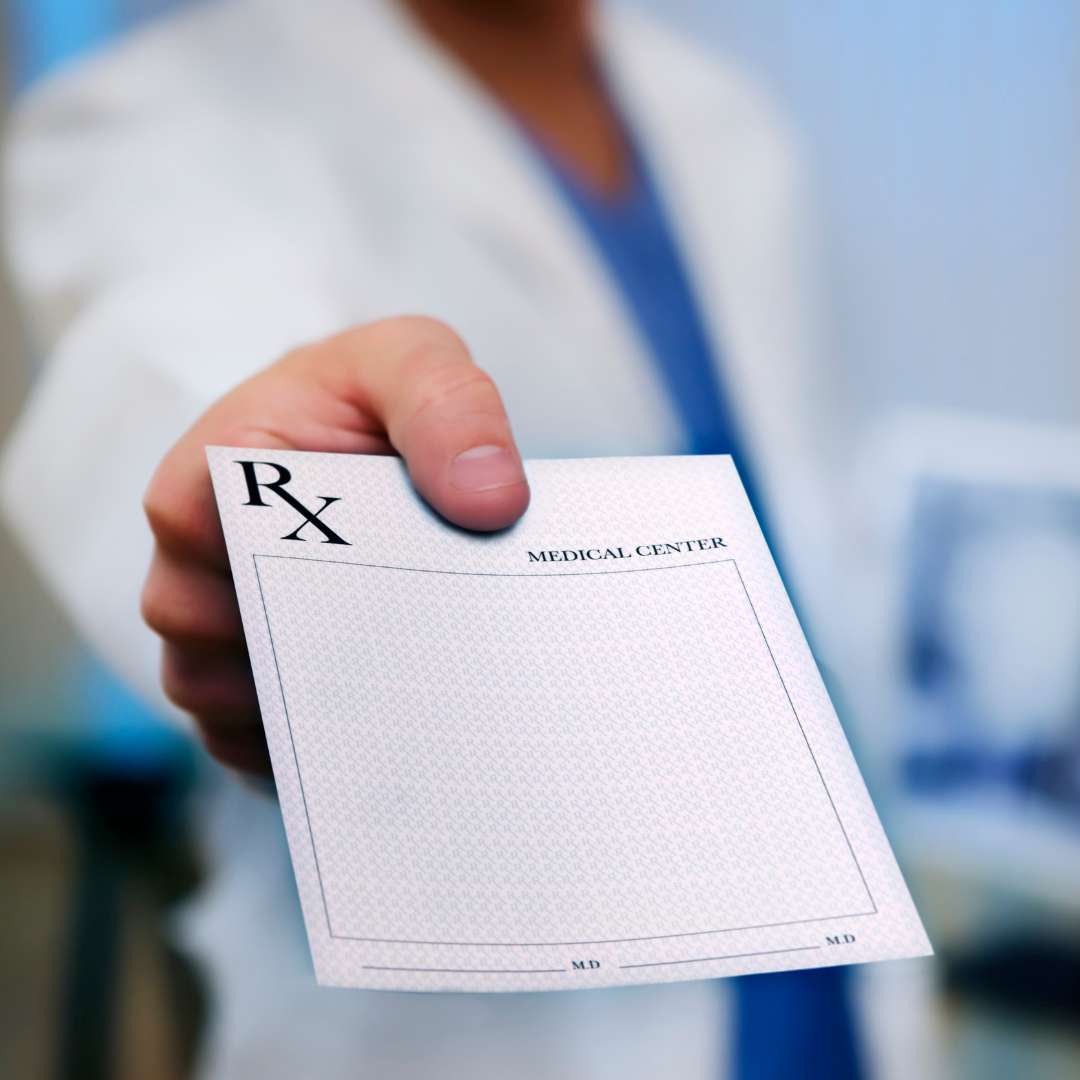
Therapy is often used in combination with antidepressant medications, which helps people manage their symptoms and improve their overall functioning. SSRIs, SNRIs, monoamine oxidase inhibitors, tricyclic antidepressants (TCAs) and NDRIs are all classified as depression medicines. They relieve the symptoms of depression by changing a person’s brain chemistry.
- SSRIs: Zoloft, Paxil and Prozac are some of the most common SSRIs, or selective serotonin reuptake inhibitors. These prescription medications treat depression by increasing the amount of serotonin in the brain.
- SNRIs: Cymbalta and Effexor are examples of SNRIs, or serotonin and noradrenaline reuptake inhibitors. These antidepressants increase the amount of serotonin and norepinephrine in the brain.
- MAO inhibitors: These medications treat depression by preventing a substance called monoamine oxidase from removing serotonin, dopamine and norepinephrine from the brain. MAO inhibitors were the first antidepressants on the market.
- TCAs: Like MAO inhibitors, TCAs were some of the first drugs used for treating depression. Since newer medications have fewer side effects, TCAs aren’t prescribed as often as they used to be. Elavil is one of the most common TCAs on the market.
- NDRIs: Norepinephrine and dopamine reuptake inhibitors are prescribed for people who have depression and SAD. They may also be used to treat anxiety disorders and attention deficit hyperactivity disorder. NDRIs prevent the reuptake of norepinephrine and dopamine, leaving more of these chemicals in the brain. Wellbutrin is an example of an NDRI.
Our Oregon Addiction Treatment Locations
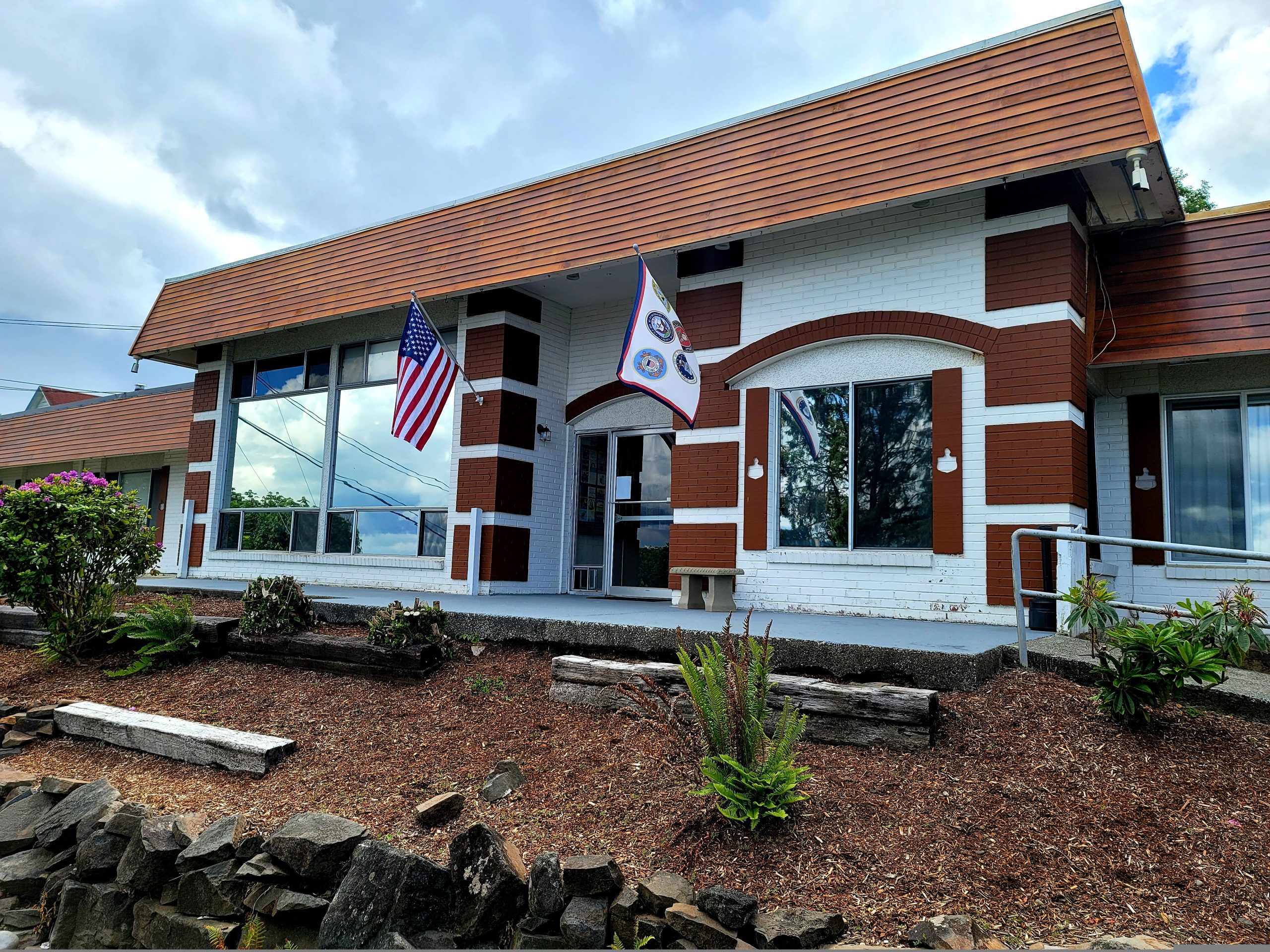
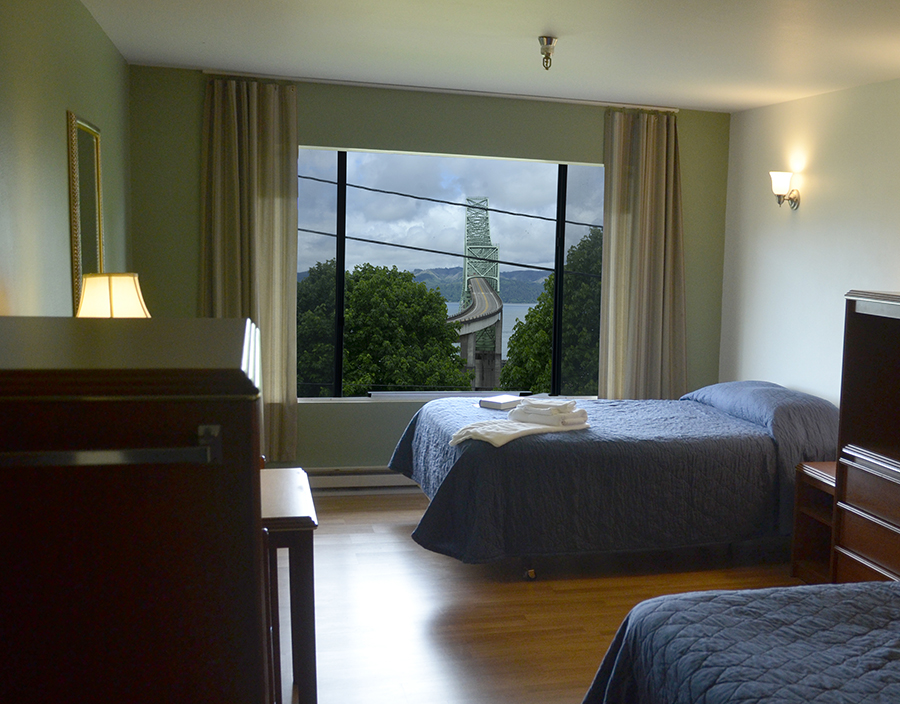
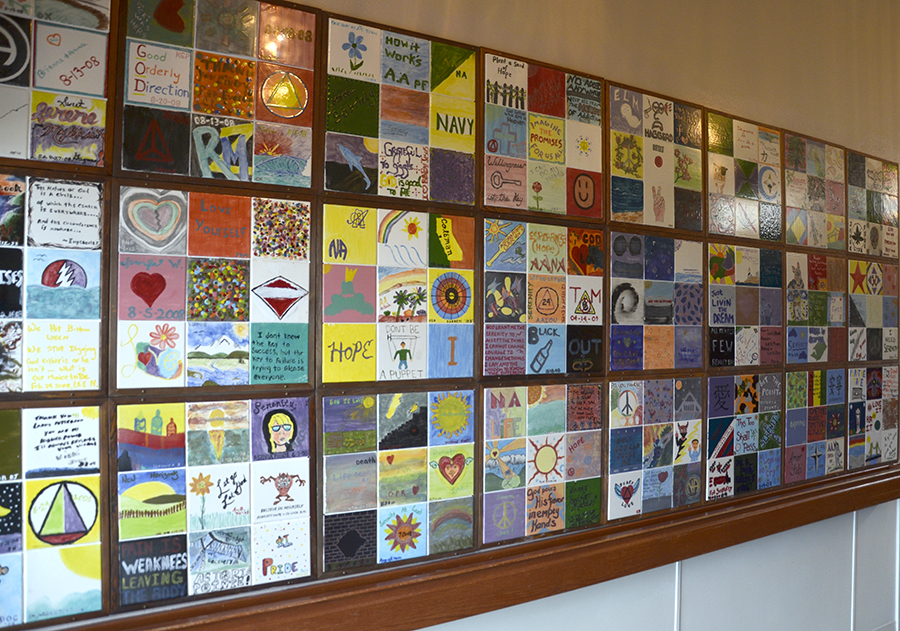
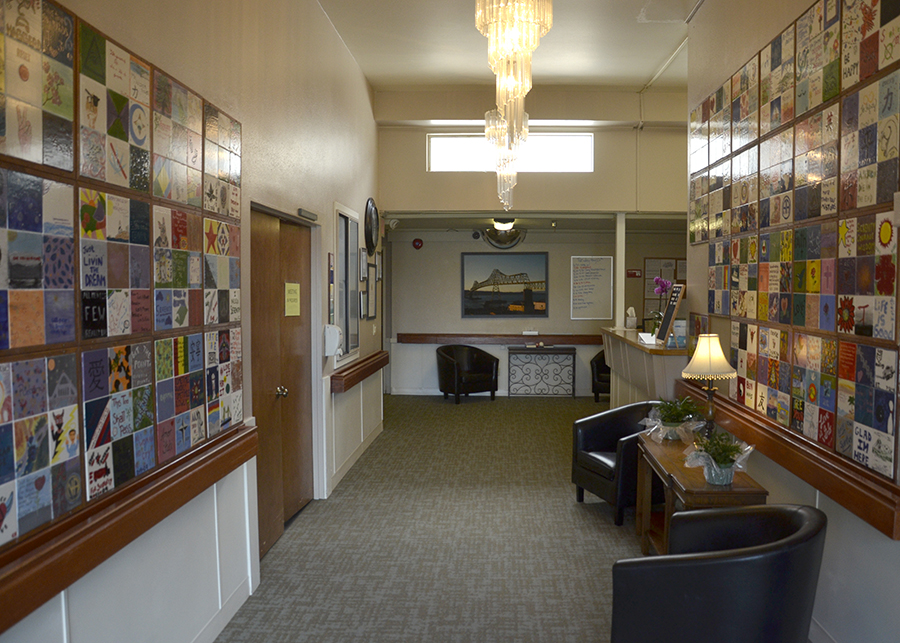
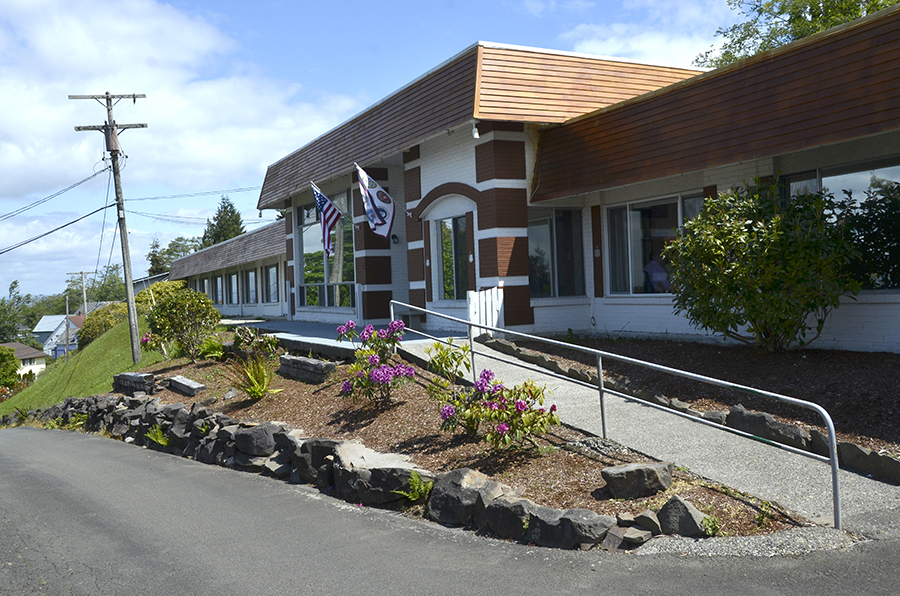
Our Astoria Inpatient Addiction Treatment Center
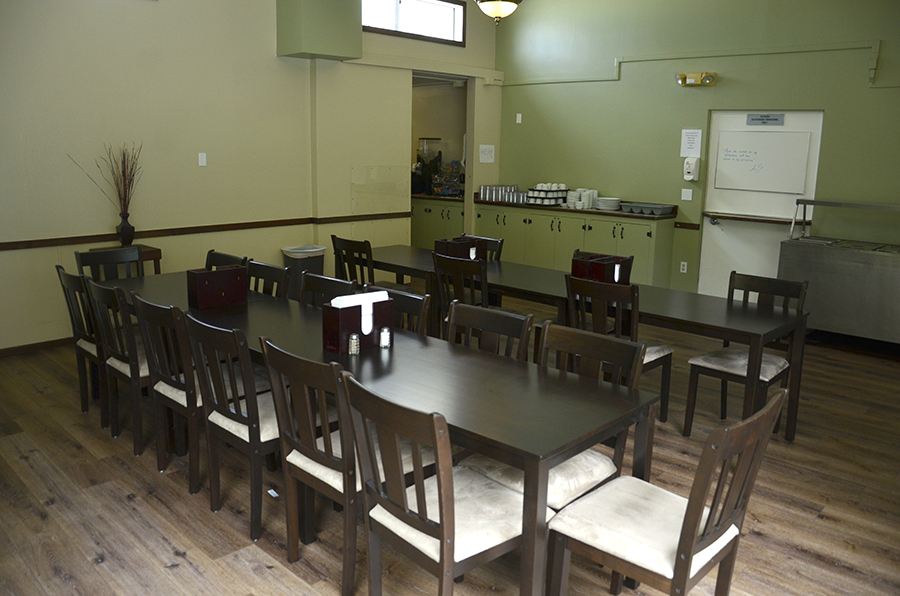
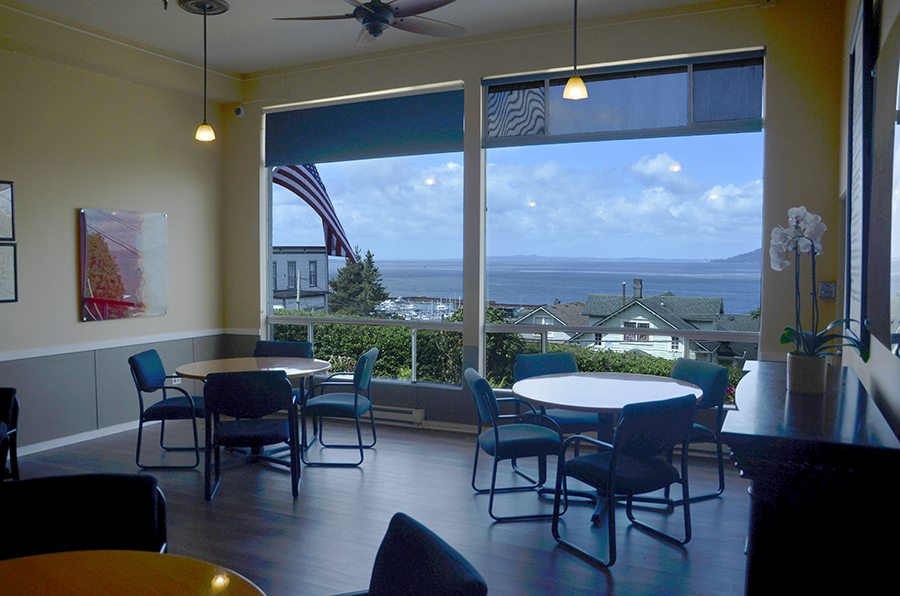
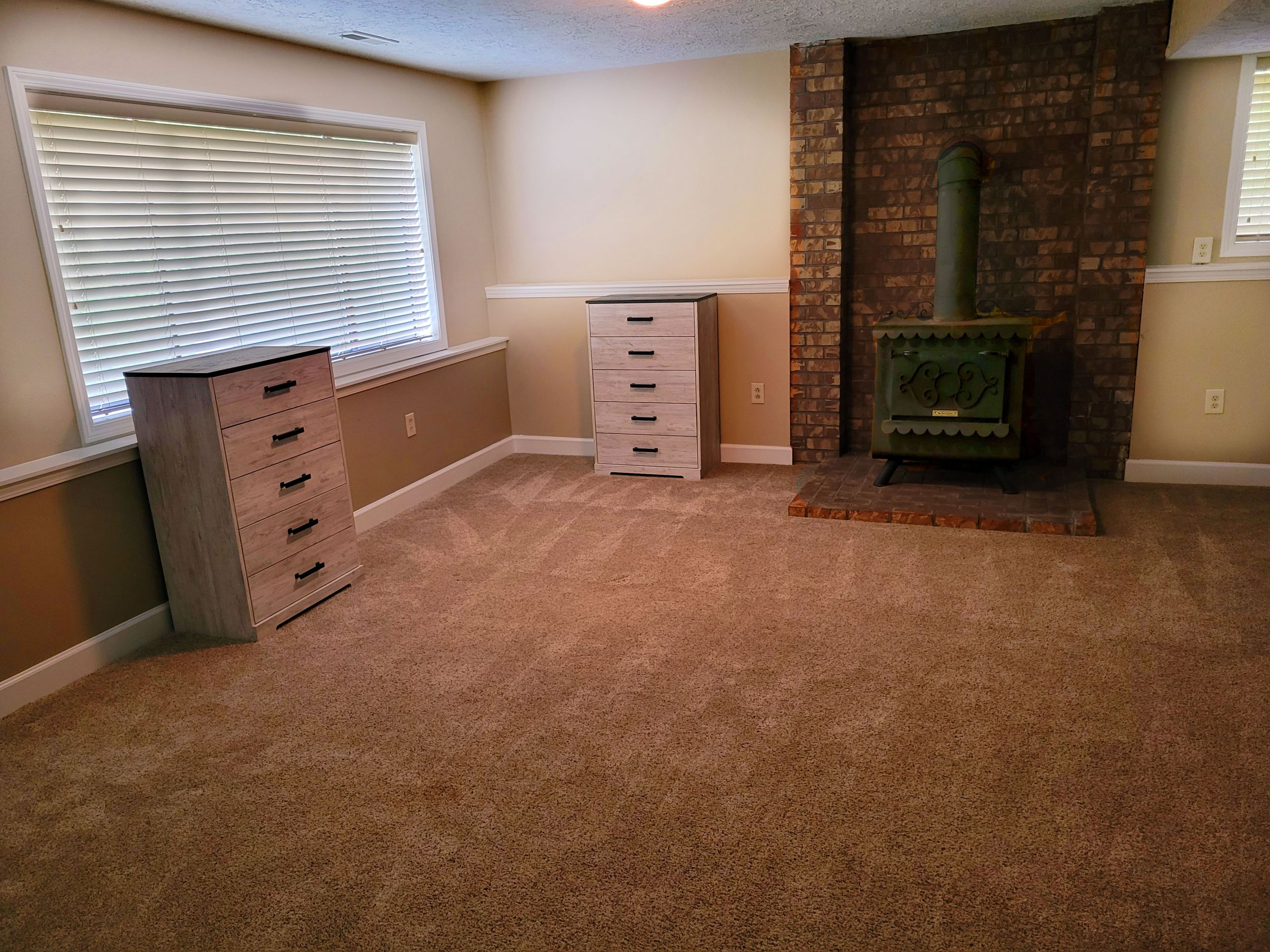
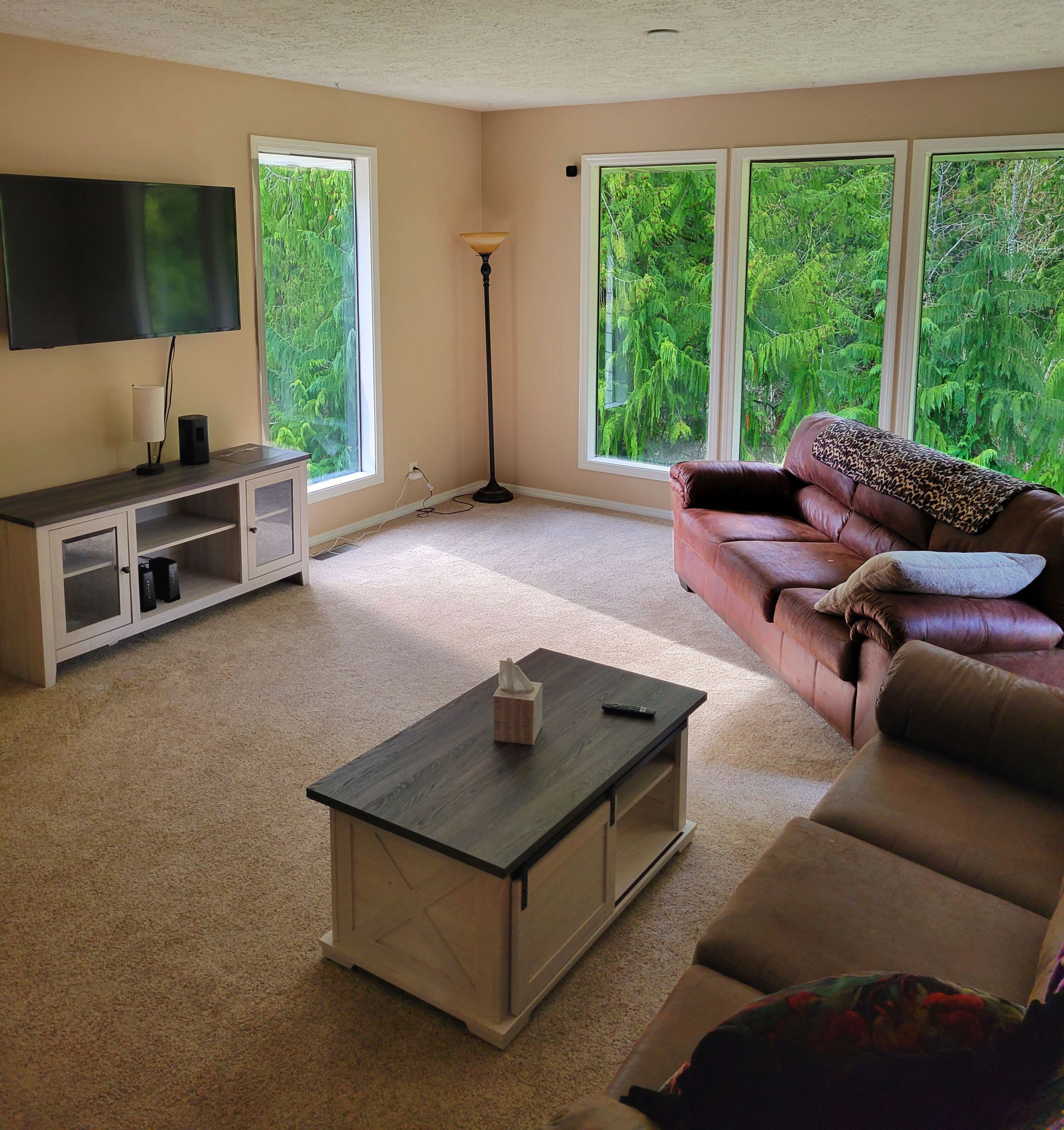
At Virtue At The Pointe in Astoria, Oregon, we understand how heavy depression can feel—and how hard it can be to seek help. Our inpatient program offers a safe, peaceful environment where individuals can take a step back from daily stressors and focus fully on healing. Surrounded by the natural beauty of the Pacific Northwest, our campus is intentionally designed to promote calm, connection, and restoration.
Clients receive 24/7 support from a compassionate team of professionals who specialize in treating depression and co-occurring conditions. Every treatment plan is personalized to reflect your needs, goals, and unique emotional experiences. We incorporate trauma-informed therapy, medication management when appropriate, and evidence-based approaches like cognitive behavioral therapy (CBT) and dialectical behavior therapy (DBT).
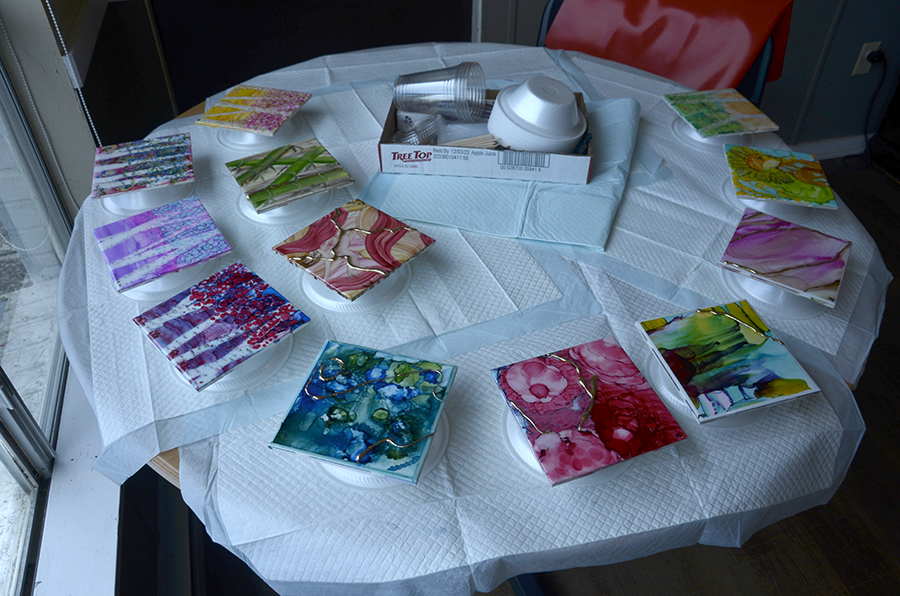
Many individuals struggling with depression also face feelings of isolation, shame, or burnout. That’s why we integrate peer support, holistic wellness practices, and therapeutic activities that help clients reconnect with themselves and others. It’s not just about symptom relief—it’s about building a life that feels worth living again.
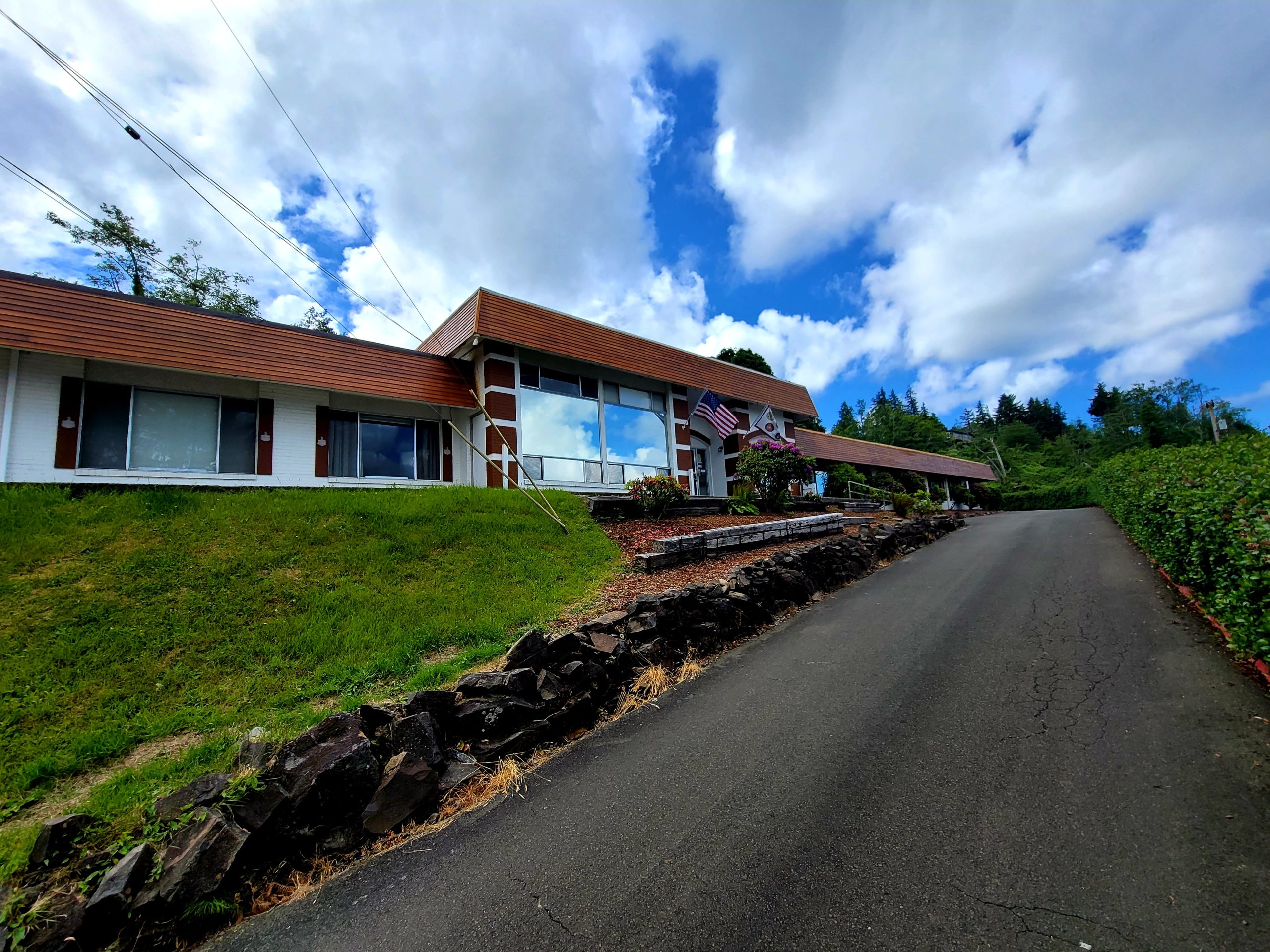


Our Milwaukie Outpatient Addiction Treatment Center
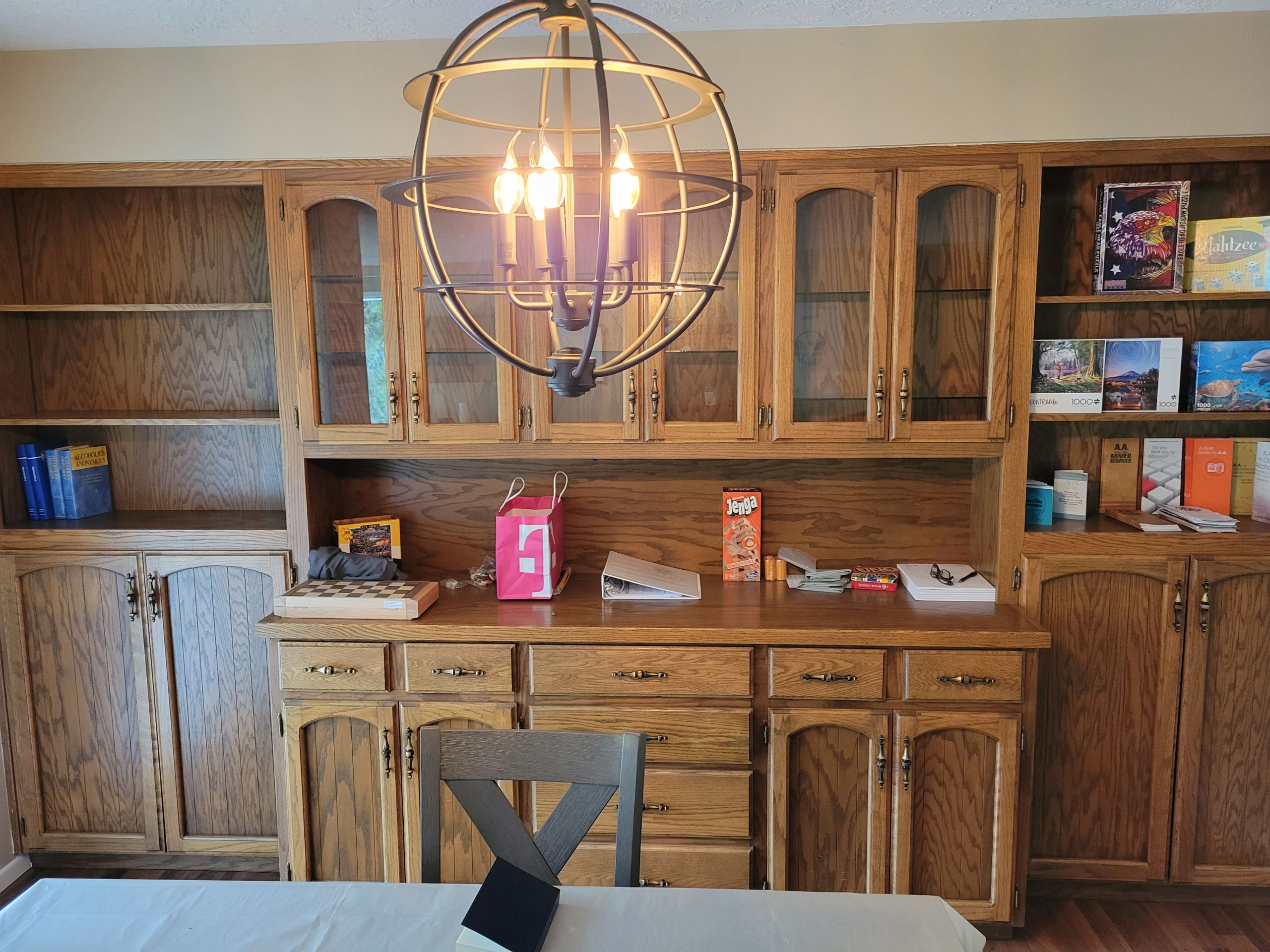
If you’re living with depression and juggling the responsibilities of daily life, our Milwaukie outpatient center offers the care you need—on your terms. Located just outside Portland, Virtue At The Pointe’s outpatient programs provide a supportive bridge between intensive treatment and everyday routines.
Whether you’re stepping down from residential care or starting your journey in a flexible setting, our Partial Hospitalization (PHP) and Intensive Outpatient Programs (IOP) offer structured support tailored to your needs. You’ll receive compassionate therapy, emotional guidance, and tools to manage depression—all without needing to put work, school, or family on hold.
Clients meet several times per week for individual therapy, group sessions, and education focused on emotional regulation, coping strategies, and relapse prevention. Each plan is personalized to meet your goals, helping you rebuild confidence and stability one step at a time.
Living with depression can feel overwhelming, but treatment doesn’t have to be. Our Milwaukie team is here to walk beside you, offering meaningful support while you continue living life—and moving forward.

Our Milwaukie Outpatient Addiction Treatment Center
If you’re living with depression and juggling the responsibilities of daily life, our Milwaukie outpatient center offers the care you need—on your terms. Located just outside Portland, Virtue At The Pointe’s outpatient programs provide a supportive bridge between intensive treatment and everyday routines.
Whether you’re stepping down from residential care or starting your journey in a flexible setting, our Partial Hospitalization (PHP) and Intensive Outpatient Programs (IOP) offer structured support tailored to your needs. You’ll receive compassionate therapy, emotional guidance, and tools to manage depression—all without needing to put work, school, or family on hold.
Clients meet several times per week for individual therapy, group sessions, and education focused on emotional regulation, coping strategies, and relapse prevention. Each plan is personalized to meet your goals, helping you rebuild confidence and stability one step at a time.
Living with depression can feel overwhelming, but treatment doesn’t have to be. Our Milwaukie team is here to walk beside you, offering meaningful support while you continue living life—and moving forward.






Treatment For Severe Depression
Some people develop treatment-resistant depression, which is depression that doesn’t respond to medications or talk therapy. These people may benefit from transcranial magnetic stimulation (TMS), a noninvasive treatment that can relieve symptoms by stimulating the brain with painless magnetic pulses. Unlike other brain stimulation therapies, TMS doesn’t require sedation, making it a safer alternative to electroconvulsive therapy.
During a TMS session, an experienced professional places a magnetic coil against the patient’s head. When the coil is on, it delivers painless magnetic pulses to the brain, producing a clicking or tapping sound.
What Our Clients Are Saying
FAQs About Depression Treatment at Virtue At The Pointe Oregon
How is clinical depression different from just feeling sad?
While everyone feels sad occasionally, clinical depression is more intense and long-lasting. It interferes with daily life and doesn’t go away without treatment.
What types of depression do you treat?
We treat major depressive disorder, persistent depressive disorder (dysthymia), seasonal affective disorder, postpartum depression, and depression with co-occurring conditions.
Do you offer inpatient depression treatment?
Yes. Our Astoria facility offers 24/7 residential care for individuals who need intensive support in a structured, healing environment.
What is outpatient depression treatment like?
Our Milwaukie outpatient center offers Partial Hospitalization (PHP) and Intensive Outpatient (IOP) programs that provide flexible support while allowing clients to maintain daily routines.
Is medication part of depression treatment?
It can be. Antidepressants may be prescribed as part of a comprehensive treatment plan, especially for moderate to severe depression.
Can I do therapy without taking medication?
Yes. While some clients benefit from medication, others choose therapy-only treatment. We tailor plans based on your preferences and needs.
Do you offer trauma-informed therapy?
Yes. Many individuals with depression have experienced trauma, and we integrate trauma-informed care to promote safety, trust, and healing.
What insurance do you accept?
We work with most major insurance providers. Our team will verify your benefits and explain your coverage options.
Can I bring my phone or laptop?
Phone and device use may be limited during inpatient treatment to help maintain focus, but access may be granted during designated times.
Conquer Depression
You don’t have to let depression control your life. Virtue at the Pointe offers therapy, medications and TMS to reduce your symptoms and give you the energy you need to live your life to the fullest. Call us now to speak with an admissions coordinator and find out how we can customize a treatment plan just for you.