LGBTQIA+ Addiction Treatment
Is your addiction story tangled in shame, stigma, or silence?
At Virtue At The Pointe, we see you, we hear you, and we’re ready to walk beside you.
Start your recovery journey today.
Why LGBTQIA+ Individuals Face Greater Risks of Substance Abuse
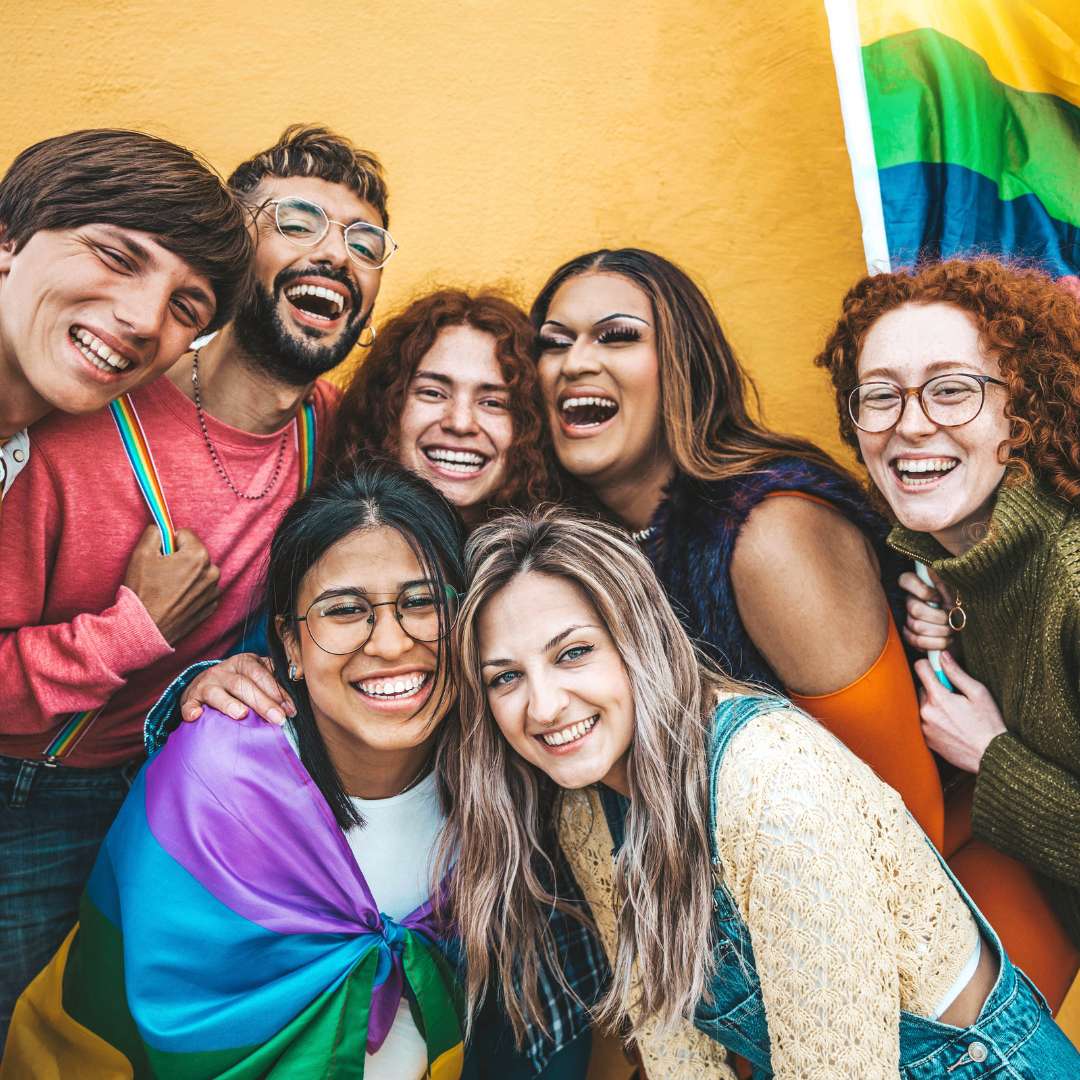
Substance abuse tends to be more common among members of the lesbian, gay, bisexual, transgender and questioning community, mainly because LGBTQIA+ individuals experience higher rates of discrimination when compared to their heterosexual counterparts. Coming out as a member of the LGBTQIA+ community also increases the risk for bullying, family rejection, ridicule and hate crimes, causing some people to turn to drugs and alcohol to cope with their pain. At Virtue at the Pointe, experienced addiction professionals understand the risk factors for LGBTQIA+ substance abuse and have experience providing personalized treatment.

Why LGBTQIA+ Individuals Face Greater Risks of Substance Abuse
Substance abuse tends to be more common among members of the lesbian, gay, bisexual, transgender and questioning community, mainly because LGBTQIA+ individuals experience higher rates of discrimination when compared to their heterosexual counterparts. Coming out as a member of the LGBTQIA+ community also increases the risk for bullying, family rejection, ridicule and hate crimes, causing some people to turn to drugs and alcohol to cope with their pain. At Virtue at the Pointe, experienced addiction professionals understand the risk factors for LGBTQIA+ substance abuse and have experience providing personalized treatment.
LGBTQIA+ Addiction Statistics
Each year, RTI International and the Substance Abuse and Mental Health Services Administration conduct the National Survey on Drug Use and Health to identify trends related to substance use. The survey asks participants to disclose whether they’re heterosexual or members of the LGBTQIA+ community, allowing SAMHSA and RTI International to gather statistics about each group.
In 2018, the NSDUH revealed the following:
- Nearly 38% of LGBTQIA+ persons reported marijuana use within the past year.
- Approximately 9% of LGBTQIA+ people (18+) reported that they’d used opioids within the previous year.
- More than 12% of adult LGBTQIA+ community members disclosed that they had an alcohol use disorder, representing no change from 2015.
More recently, SAMHSA reported that 6.8 million members of the LGBTIA+ community had a mental illness in 2019; 38.2% of those people had a serious mental illness. Additionally, 2.6 million LGBTQIA+ individuals had a substance use disorder. Alcohol abuse was the most common SUD, affecting three out of five participants, while about 50% of participants reported struggling with a drug addiction. Slightly more than 16% had a substance use disorder involving both alcohol and illicit drugs.
Substance Abuse Treatment Options
Behavioral Therapies
Behavioral therapies are one of the most important components of any addiction treatment program. Cognitive behavioral therapy falls under this classification as it seeks to help people change their behavior and thought patterns. Attending regular CBT sessions gives patients a chance to address their mental health issues and learn how to cope with those issues without engaging in substance abuse.
Medications
For many people, medications are an essential component of a personalized addiction treatment plan. Initially, medications can be used to manage the symptoms of drug and alcohol withdrawal, keeping patients comfortable as they eliminate alcohol, prescription medications and illicit drugs from their bloodstreams. Medications can also be used to treat opioid addiction. The FDA has approved three medications for this purpose: methadone, naltrexone and buprenorphine.
Verify Insurance Coverage Today
Many insurance plans cover some type of addiction treatment. Contact Virtue at the Pointe for verification of your benefits.
Risk Factors For Substance Use Disorders in The LGBTQIA+ Community
Anyone can develop a problem with substance abuse, but members of the LGBTQIA+ community have certain risk factors that make them more likely to become addicted to alcohol or drugs. In the United States, heterosexuality is considered the norm by many people. As a result, members of the LGBTQIA+ community face higher levels of discrimination and stigmatization.
Some LGBTQIA+ youth are forced out of their homes because their family members disapprove of same-sex relationships, leaving them homeless. At school, young people may be subjected to bullying, physical attacks and ongoing humiliation by their peers. Teachers who don’t approve of same-sex relationships may contribute to this harassment by failing to punish students who engage in bullying and other harmful behaviors.
Many LGBTQIA+ issues persist into adulthood. For example, adults can be bullied at work or when they attend social activities with their same-sex partners. In some areas, elected officials are actively working to take away the right for LGBTQIA+ individuals to get married or share employment benefits with their significant others. All of these stressors increase the risk that an LGBTQIA+ individual will need substance abuse treatment at some point.
Risk Factors For Substance Use Disorders in The LGBTQIA+ Community
Anyone can develop a problem with substance abuse, but members of the LGBTQIA+ community have certain risk factors that make them more likely to become addicted to alcohol or drugs. In the United States, heterosexuality is considered the norm by many people. As a result, members of the LGBTQIA+ community face higher levels of discrimination and stigmatization.
Some LGBTQIA+ youth are forced out of their homes because their family members disapprove of same-sex relationships, leaving them homeless. At school, young people may be subjected to bullying, physical attacks and ongoing humiliation by their peers. Teachers who don’t approve of same-sex relationships may contribute to this harassment by failing to punish students who engage in bullying and other harmful behaviors.
Many LGBTQIA+ issues persist into adulthood. For example, adults can be bullied at work or when they attend social activities with their same-sex partners. In some areas, elected officials are actively working to take away the right for LGBTQIA+ individuals to get married or share employment benefits with their significant others. All of these stressors increase the risk that an LGBTQIA+ individual will need substance abuse treatment at some point.

Rehab Programs For LGBTQIA+ Adults
LGBTQIA+ rehab centers specialize in treating addiction issues in adolescents and adults who identify as lesbian, gay, bisexual, transgender and questioning. This type of treatment facility gives community members access to addiction treatment delivered by professionals who understand the challenges LGBTQIA+ patients face in their daily lives. LGBTQIA+ drug and alcohol rehab can help patients improve their coping skills and learn how to resolve interpersonal conflict without using alcohol and drugs.
Types of Treatment Centers
Some treatment centers offer outpatient care to community members who need a little extra support as they stop using drugs and alcohol. Outpatient addiction treatment often includes individual therapy, family counseling and group therapy. Residential treatment centers provide more comprehensive addiction treatment services. Every patient undergoes an initial assessment to determine the severity of their addiction and identify any underlying mental health disorders that need to be treated. In a residential treatment center, staff members offer several therapeutic approaches, giving patients access to drug and alcohol abuse treatment that’s customized to meet their needs.
Our Oregon Addiction Treatment Locations
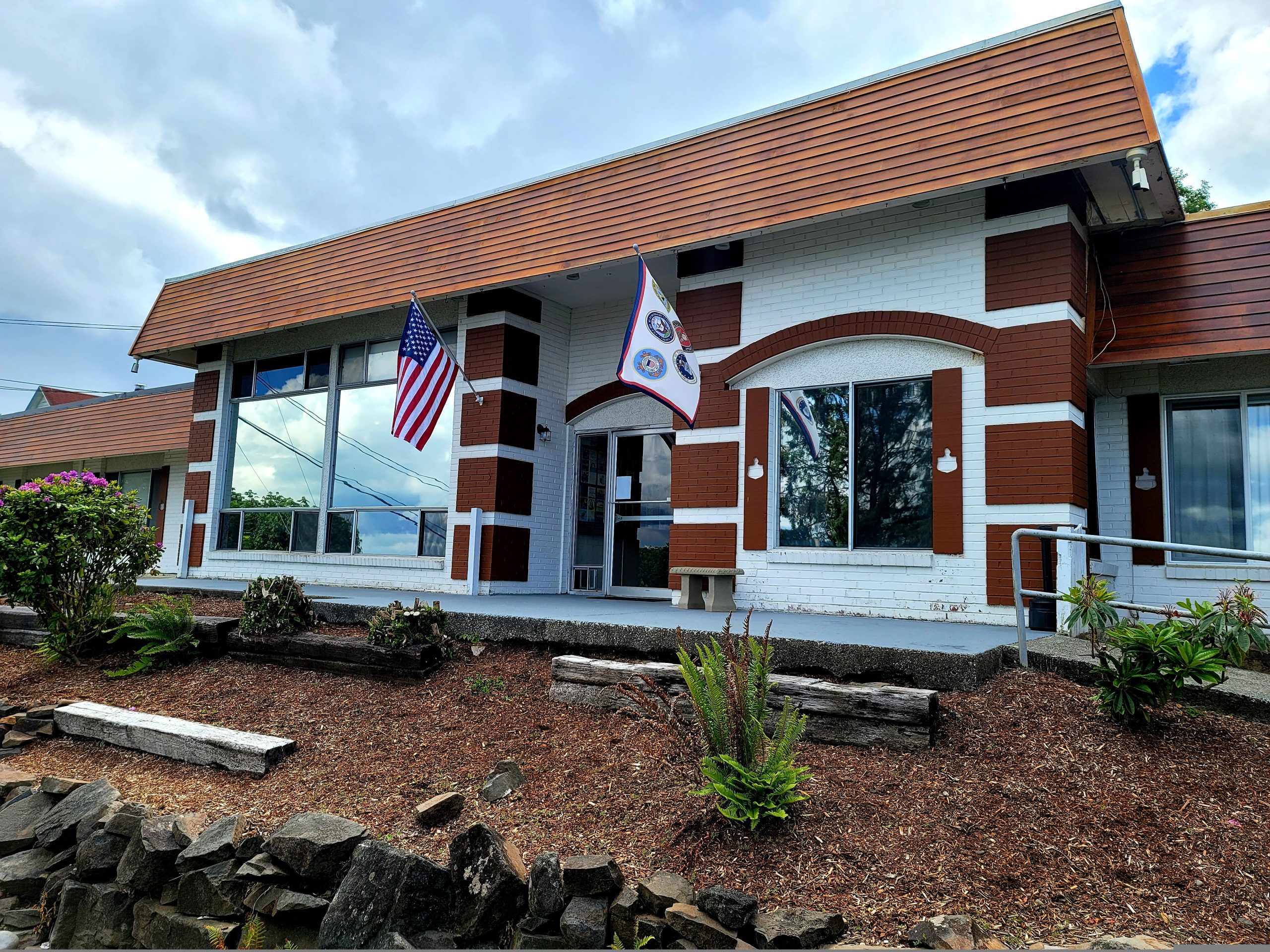
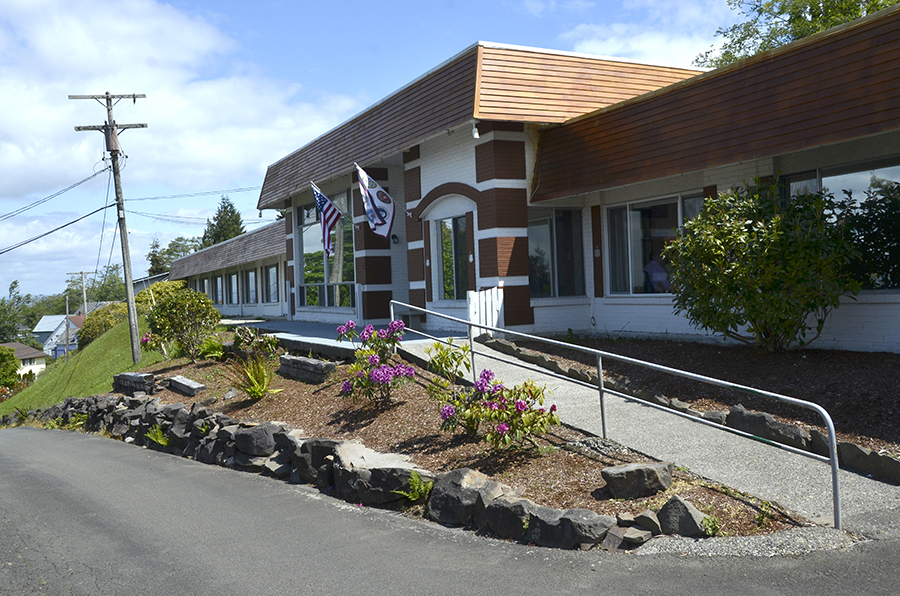
Our Astoria Inpatient Addiction Treatment Center
At Virtue At The Pointe, we understand how important it is for LGBTQIA+ individuals to heal in a space that sees, hears, and respects them. Our inpatient addiction treatment center in Astoria offers not only evidence-based care but also a deeply affirming environment where every identity is honored. Nestled in the peaceful landscape of Oregon’s coast, our facility provides the stability and safety needed to begin recovery without fear of judgment or rejection.
Clients in our LGBTQIA+ program receive personalized treatment plans that reflect both their clinical needs and lived experiences. Whether you’re working through trauma, discrimination, or co-occurring mental health challenges, our team of affirming professionals is here to support your whole self. We offer 24/7 care, medically supervised detox, and trauma-informed therapies rooted in understanding and compassion.
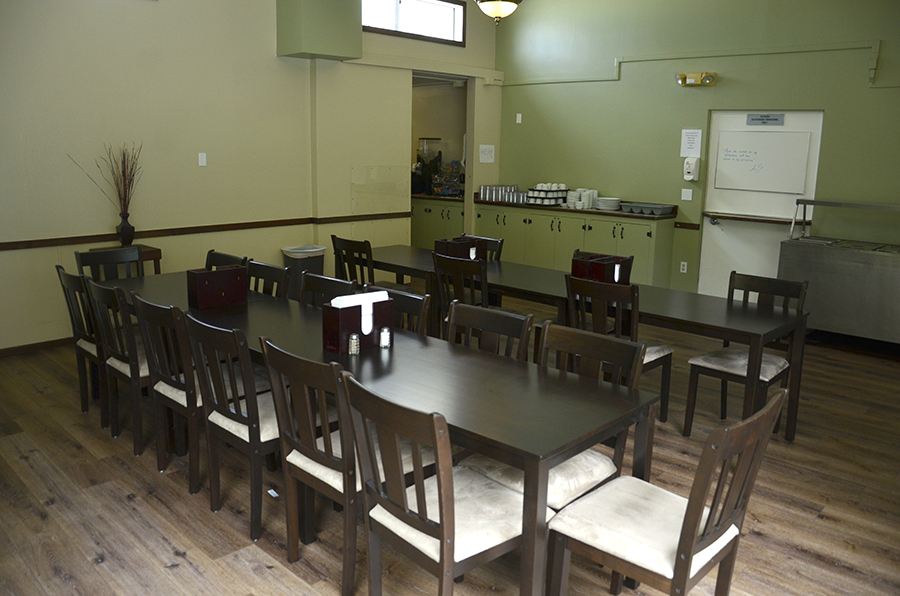
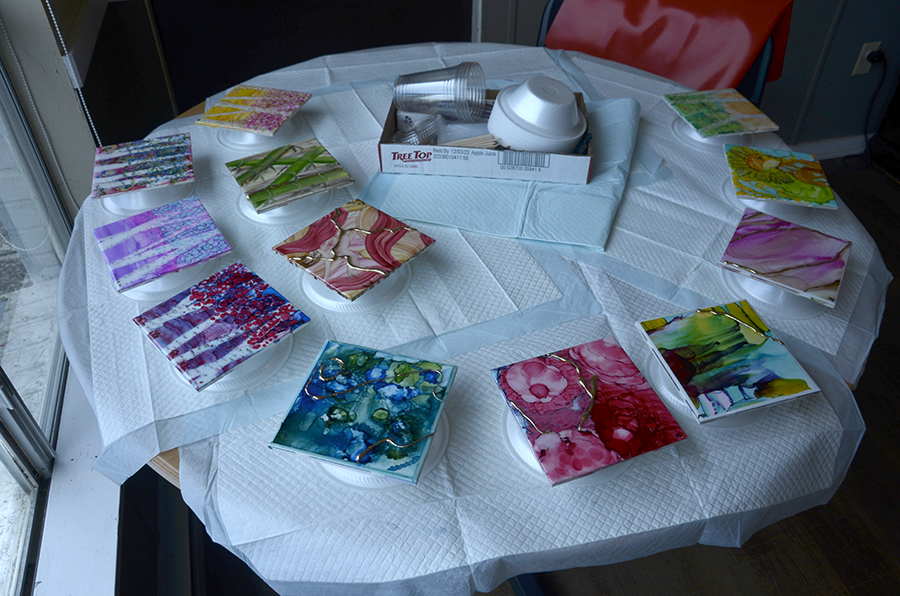
Our residential program emphasizes community and connection—two vital components of LGBTQIA+ recovery. You’ll engage in group therapy with peers who share similar experiences, allowing space for healing conversations and mutual support. We also offer life skills training, holistic therapies, and relapse prevention planning tailored to the realities LGBTQIA+ individuals face in the world.





Our Milwaukie Outpatient Addiction Treatment Center
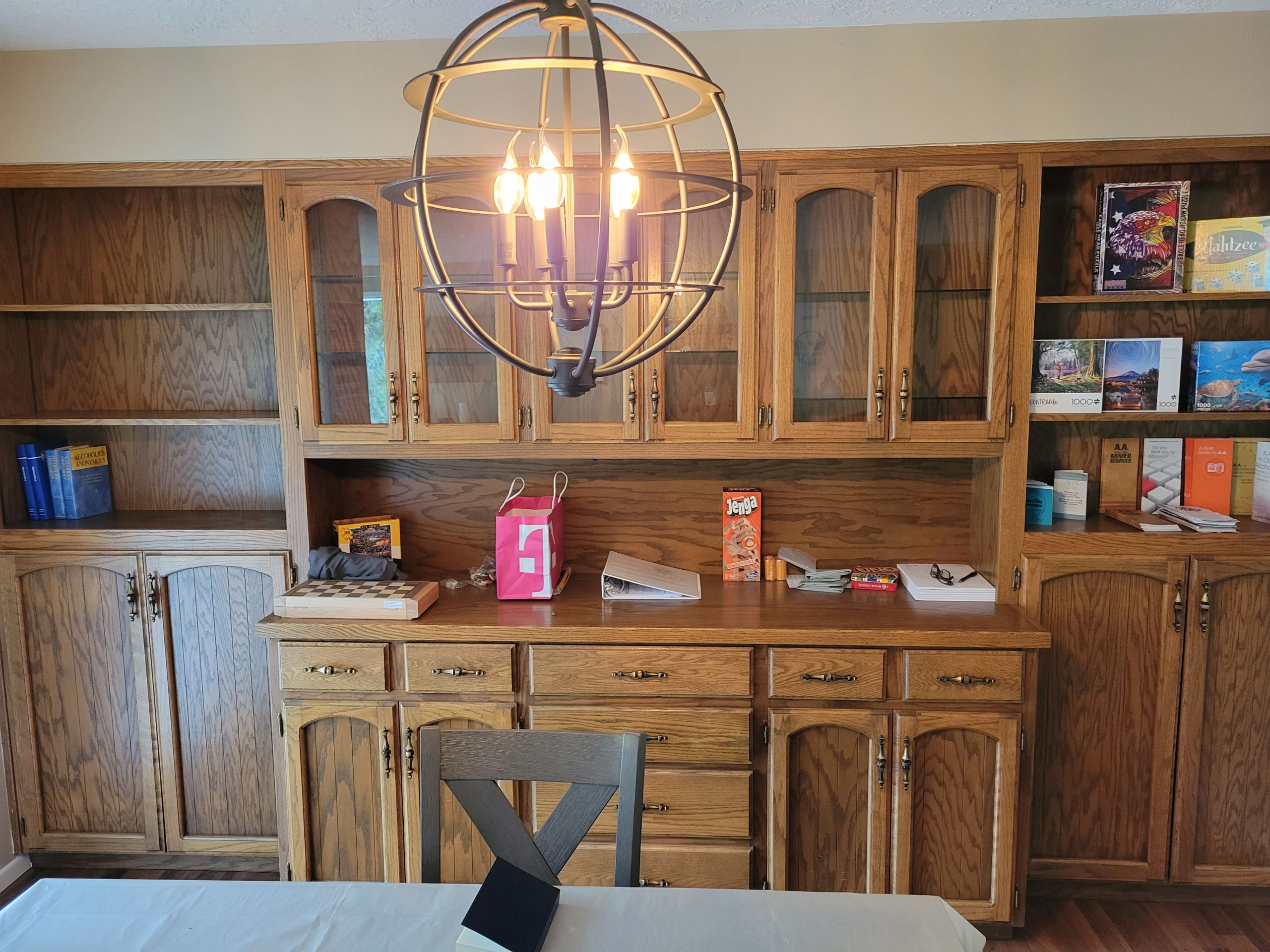
At our Milwaukie outpatient center near Portland, LGBTQIA+ individuals find the freedom to heal while navigating daily life. Whether you’re stepping down from inpatient care or starting your recovery while balancing work, school, or family, our program meets you where you are—without asking you to hide any part of yourself.
Our Partial Hospitalization (PHP) and Intensive Outpatient Programs (IOP) offer affirming, structured care designed around your unique goals and identity. You’ll participate in therapy sessions, support groups, and skill-building classes that create space for healing and growth in a community that truly gets you.
Every part of our outpatient program is built with flexibility and respect at its core. We understand the realities LGBTQIA+ individuals face and tailor our treatment accordingly, offering trauma-informed support, mental health services, and relapse prevention tools that reflect your experience.
At Virtue At The Pointe, you don’t have to choose between recovery and authenticity. Here, you can have both—and thrive in both.

Our Milwaukie Outpatient Addiction Treatment Center
At our Milwaukie outpatient center near Portland, LGBTQIA+ individuals find the freedom to heal while navigating daily life. Whether you’re stepping down from inpatient care or starting your recovery while balancing work, school, or family, our program meets you where you are—without asking you to hide any part of yourself.
Our Partial Hospitalization (PHP) and Intensive Outpatient Programs (IOP) offer affirming, structured care designed around your unique goals and identity. You’ll participate in therapy sessions, support groups, and skill-building classes that create space for healing and growth in a community that truly gets you.
Every part of our outpatient program is built with flexibility and respect at its core. We understand the realities LGBTQIA+ individuals face and tailor our treatment accordingly, offering trauma-informed support, mental health services, and relapse prevention tools that reflect your experience.
At Virtue At The Pointe, you don’t have to choose between recovery and authenticity. Here, you can have both—and thrive in both.







Dual Diagnosis Treatment For The LGBTQIA+ Community
Many lesbian, gay, bisexual, questioning and transgender individuals have a dual diagnosis, which means they have two or more mental health conditions, usually an addiction coupled with depression, generalized anxiety disorder, post-traumatic stress disorder or another behavioral health issue. These disorders can develop for many reasons, including the stress of living “in the closet” and being afraid to reveal their true sexual orientation.
Several treatment options are available for LGBTQIA+ adults and teens struggling with dual diagnosis. For patients with post-traumatic stress disorder, eye movement desensitization and reprocessing (EMDR) therapy can be helpful for moving past the source of the trauma and reducing symptoms of PTSD. Addiction treatment centers may also offer brain stimulation therapies for depression or therapy to help patients with generalized anxiety disorder.
What Our Clients Are Saying
FAQs About VATP's LGBTQIA+ Addiction Treatment Program
Why do LGBTQIA+ individuals need a specialized program?
LGBTQIA+ people often face higher rates of discrimination, trauma, and mental health challenges, all of which increase the risk of substance abuse. A specialized program ensures care is affirming, relevant, and trauma-informed.
What makes your LGBTQIA+ program different?
We combine evidence-based treatment with cultural competence, trauma-informed care, and staff who are trained to address issues like identity, stigma, minority stress, and internalized shame.
How does trauma impact LGBTQIA+ addiction?
Many LGBTQIA+ individuals have experienced trauma related to identity, discrimination, or rejection, which can lead to or worsen substance use disorders.
How do I know if this program is right for me?
If you identify as LGBTQIA+ and struggle with substance use, trauma, or mental health challenges, this program is designed to support your healing.
Do you accept insurance?
Yes. We work with most major insurance providers. Our team will help you verify coverage and explain your benefits.
Can I keep my phone with me during treatment?
Phones are typically restricted during the early stages of treatment to help clients focus on recovery. Use may be allowed later with clinical approval.
Can I smoke or vape during treatment?
Yes. Smoking and vaping are allowed in designated outdoor areas.
What should I pack for my stay?
We recommend comfortable clothing, toiletries, and items that help you feel affirmed in your identity. A full list is provided during admissions.