
Dual Diagnosis Treatment
You don’t have to choose between treating your mind or your addiction.
At Virtue At The Pointe, we help you heal both with expert, compassionate care.
Take the first step toward full-body recovery today.



Dual diagnosis is the term that refers to an individual suffering from a comorbid disorder, which is defined as both a mental disorder and substance abuse illness combined.
Such a condition is used to describe several mental disorders present in conjunction with substance abuse, such as depression and alcoholism, anxiety and addiction, or psychosis and heroin. It is without a doubt evident that substance abuse, as well as mental disorders alone, are quite challenging to overcome, so it is not hard to see that one with both problems would benefit greatly from receiving professional help. There are various programs available at our dual diagnosis treatment in Oregon, can help treat the disorder, and it is wise to take advantage of one of these good rehabilitation programs.

Dual diagnosis is the term that refers to an individual suffering from a comorbid disorder, which is defined as both a mental disorder and substance abuse illness combined.
Such a condition is used to describe several mental disorders present in conjunction with substance abuse, such as depression and alcoholism, anxiety and addiction, or psychosis and heroin. It is without a doubt evident that substance abuse, as well as mental disorders alone, are quite challenging to overcome, so it is not hard to see that one with both problems would benefit greatly from receiving professional help. There are various programs available at our dual diagnosis treatment in Oregon, can help treat the disorder, and it is wise to take advantage of one of these good rehabilitation programs.

Patience and Dedication
Since dual diagnosis is actually two conditions, you would assume that you treat them separately, but this is not quite the case. A mental disorder and substance abuse illness combined will be treated concurrently by a good rehabilitation program which will professionally access the patient’s condition to its full extent and treat each patient according to the severity of their disorder. Most commonly, patients with this condition are required to endure vigorous detoxification regimens, as well as counseling. Once a patient’s mental disorder is diagnosed, it is easier to tackle their mental disorder separate from their substance abuse detoxification process. Patients who have anxiety disorders and depression disorders are easier to treat in conjunction with their substance abuse illness than patients with more complex mental illnesses, such as schizophrenia or personality disorders. However, rehab programs for people diagnosed with this condition can provide patients with all the tools and steps needed for a safe and successful recovery. Full recovery takes patience and dedication, but such long-suffering will be more tolerable and rewarding with the correct rehabilitation program.
Detox Process in Dual Diagnosis
A terrifying part of rehab for any patient is the detox process. An individual suffering from any form of drug or alcohol addiction who has ever attempted to quit has experienced some withdrawal symptoms, and they are nothing short of misery! Fortunately, the rehabilitation process’s detoxification period will help patients through this agonizing duration of detoxification safely. It is common for patients experiencing this to be a person using substances to combat their mental illness. Such a method is called “self-medication”; however, it does anything but medicates the mental condition. Substance abuse actually appears to temporarily “soothe” mental disorders while magnifying mental conditions, thus creating a false dependency. However, there have been many cases in which a completely healthy person has become addicted to drugs or alcohol and has developed serious mental illnesses as a result. Regardless of the order in which the duality has come about, rehabilitation will help assess the condition and figure out a way to treat and prevent it from resurfacing again.
Although patients suffering from dual diagnosis have a very complex condition that is said to be treated all in one, mental disorders can usually be treated with the proper medication, separate from the detoxification process. The very first step to achieving complete wellness is to tackle the substance abuse issue first. This means that the detoxification procedure is the first and most important step to being completely cured. The detoxification period can vary from person to person since everyone’s body is different. The time it takes can also be measured depending on what substance they are addicted to. Once the detoxification process has been completed, the next step to recovery is getting the patient into therapy. This therapy involves getting the patient to actively participate in counseling sessions that may involve other patients or require them to undergo these counseling sessions alone. Such counseling sessions will help each patient become psychologically aware of their condition, encourage them on how they are progressing, and be educated with the right information to keep them on the right path to being cured of the illness for good.
Realizing Your Condition
Coming to terms with dual diagnosis can be difficult—but it’s also a powerful moment of clarity. Many people don’t realize that mental health issues and substance use often go hand in hand, and treating just one without the other leaves a major part of the problem untouched. You might think detox now, therapy later. But recovery doesn’t work well in pieces.
The most successful treatment plans take both conditions seriously from the very beginning. When mental health and addiction are treated together, patients are more stable, more supported, and more likely to recover long-term. That’s why choosing a program that handles both isn’t just a good idea—it’s a game-changer.
You Have to Choose
Although the rehabilitation process can be effective and promising, much of the success and continued success can be attributed to how much the patient wants to be better. Much of the longevity of recovery from dual diagnosis can also require a lot of lifestyle changes, which require a lot of discipline. Such lifestyle changes can include hobbies that involve people and places, bringing back about dual diagnosis symptoms. The rehabilitation program chosen should also preferably involve other after-care procedures to help a person who has suffered from this serious condition to function normally in society after gaining wellness. Such help can include job and housing assistance, family counseling, help support dual diagnosis recovery, and even relationship management.
Aftercare
Each of the after-care options is beneficial to all patients recovering from dual diagnosis, even if they happen to receive prescription medication for their mental illness such as bipolar disorder, codependency, and low self-esteem. If a former dual diagnosis sufferer takes prescription medication to treat their mental disorder, it is advised that they be monitored or receive special “follow-up” visits with a professional to make sure that they do not return to the pattern of substance abuse. Should a person recovering decide not to take prescription medicine to treat their mental condition, it is advised that they continue after the counseling provided by rehabilitation and find a routine counseling program where a cognitive therapy approach will be offered.
Verify Insurance Coverage Today
Many insurance plans cover some type of addiction treatment. Contact Virtue at the Pointe for verification of your benefits.


Treating Co-Occurring Anxiety and Addiction Disorders
When anxiety hijacks your mind and addiction takes over your body, it can feel impossible to break free. But here’s the truth: you are not broken—you just need a plan that treats both struggles together. You can learn to quiet the chaos without reaching for a drink or a pill.
At Virtue At The Pointe, we treat anxiety and addiction side by side. Whether you experience panic attacks, social anxiety, or constant racing thoughts, our team helps you stabilize with therapy, structure, and support. Instead of masking your anxiety with substances, we help you face it—and manage it—with real tools that work.
This isn’t about becoming a new person. It’s about finally being the version of yourself that doesn’t have to live in fear or escape to cope. And that transformation is entirely possible.

Treating Co-Occurring Anxiety and Addiction Disorders
When anxiety hijacks your mind and addiction takes over your body, it can feel impossible to break free. But here’s the truth: you are not broken—you just need a plan that treats both struggles together. You can learn to quiet the chaos without reaching for a drink or a pill.
At Virtue At The Pointe, we treat anxiety and addiction side by side. Whether you experience panic attacks, social anxiety, or constant racing thoughts, our team helps you stabilize with therapy, structure, and support. Instead of masking your anxiety with substances, we help you face it—and manage it—with real tools that work.
This isn’t about becoming a new person. It’s about finally being the version of yourself that doesn’t have to live in fear or escape to cope. And that transformation is entirely possible.

Treating Co-Occurring Depression and Addiction Disorders
Depression doesn’t just affect your mood—it affects your motivation, your sleep, your relationships, and your ability to function. For many, substances become a way to escape that pain, if only for a little while. But the relief is temporary, and the crash is often deeper than before.
We understand how difficult it is to fight two battles at once. That’s why our dual diagnosis program treats depression and addiction as two pieces of the same puzzle. Through trauma-informed therapy, emotional support, and structured recovery, we help you untangle what’s underneath the surface.
You’re not lazy. You’re not broken. You’re hurting—and you deserve support that sees the full picture and helps you heal with care and compassion.
Our Oregon Addiction Treatment Locations
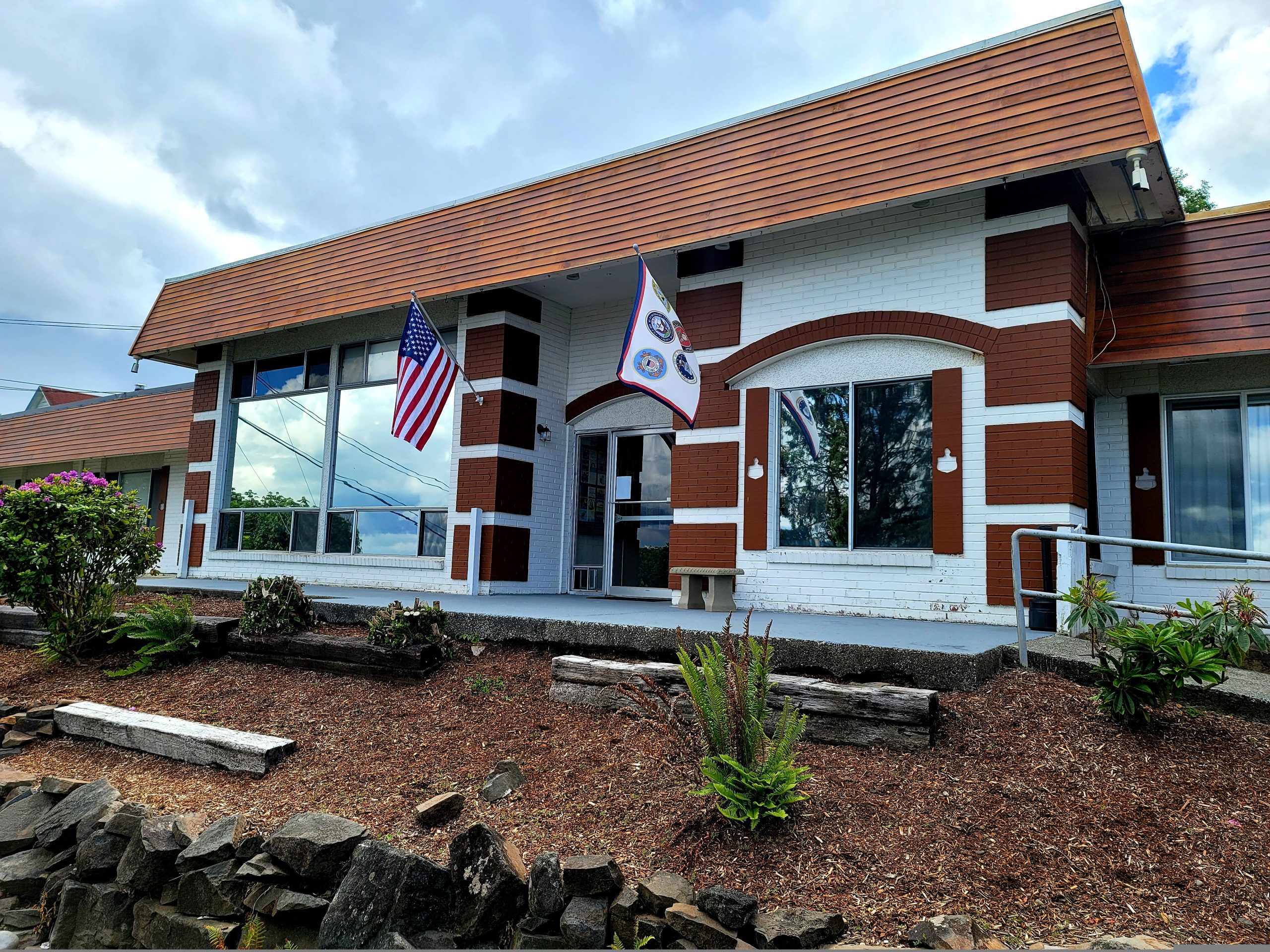
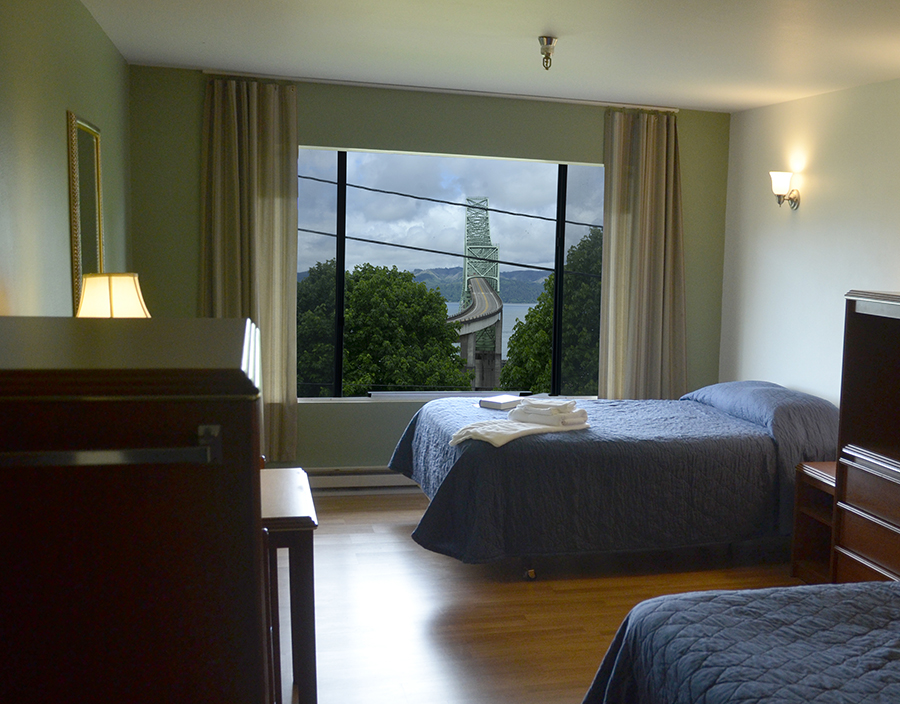
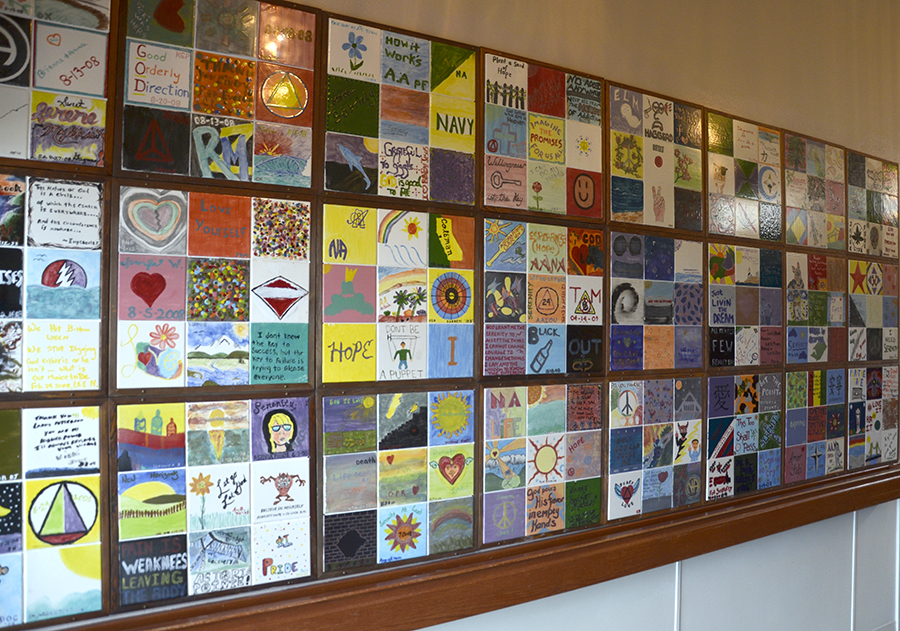
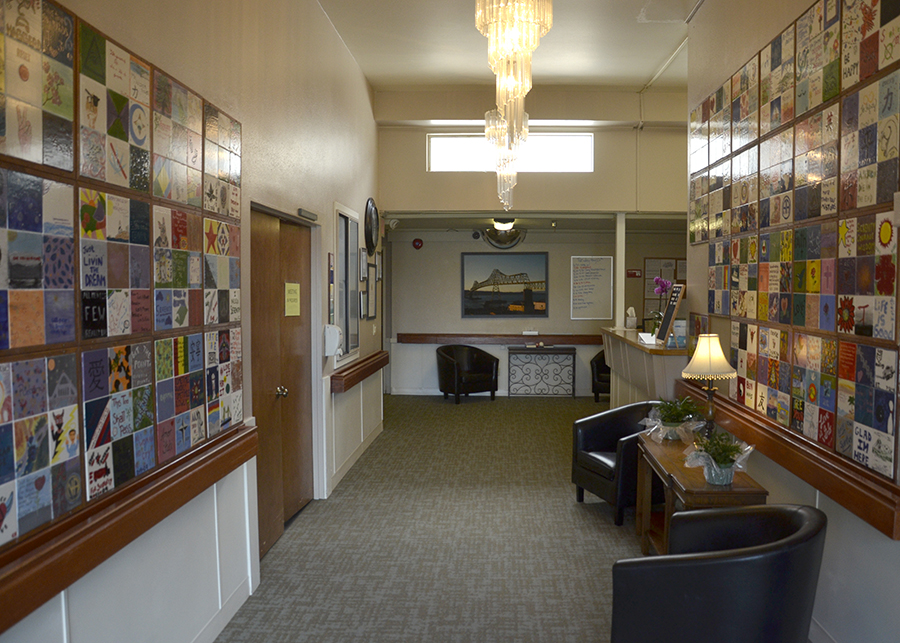
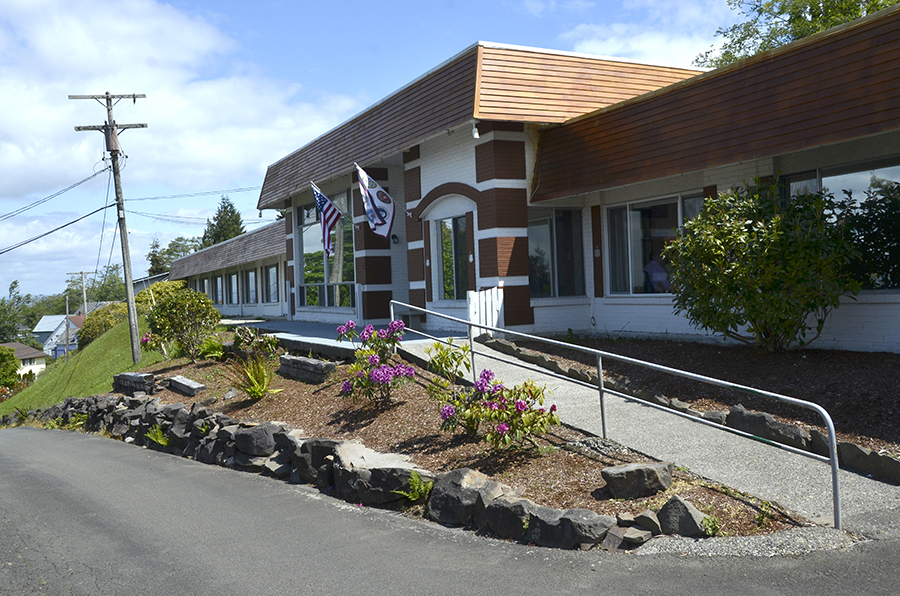
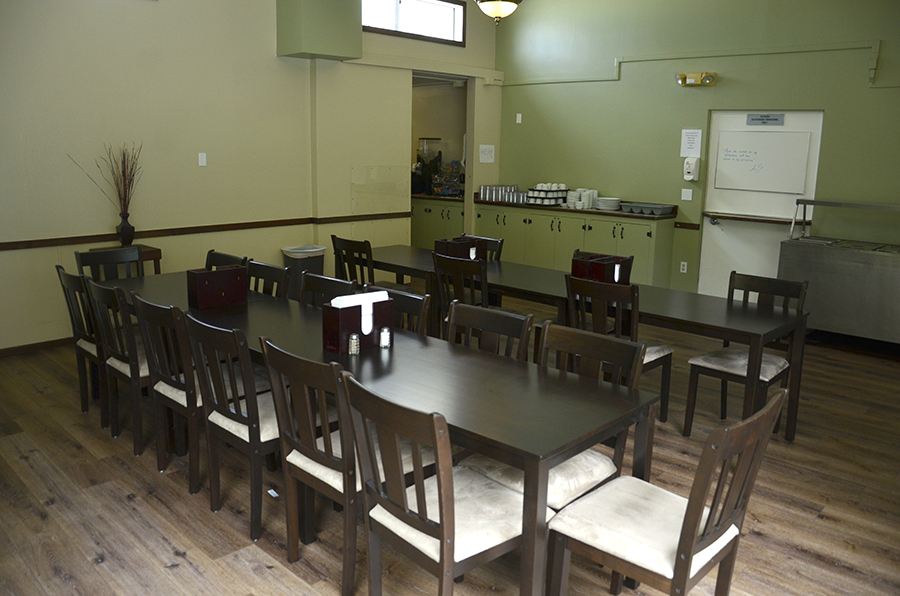
Our Astoria Inpatient Addiction Treatment Center
When addiction and mental health challenges collide, you need more than willpower—you need a place designed for full-spectrum healing. That’s what we offer at Virtue At The Pointe’s inpatient center in Astoria, Oregon. Here, recovery is about regaining your strength and learning how to thrive, not just survive.
Our program addresses both sides of the struggle with a dual diagnosis approach that treats substance use alongside conditions like trauma, bipolar disorder, or depression. With a combination of medical detox, clinical therapy, emotional support, and holistic wellness, we help you reset—inside and out.
In this peaceful setting, you’ll begin the hard work of change—but you won’t do it alone. Our team is here every step of the way to guide, encourage, and equip you for long-term success.
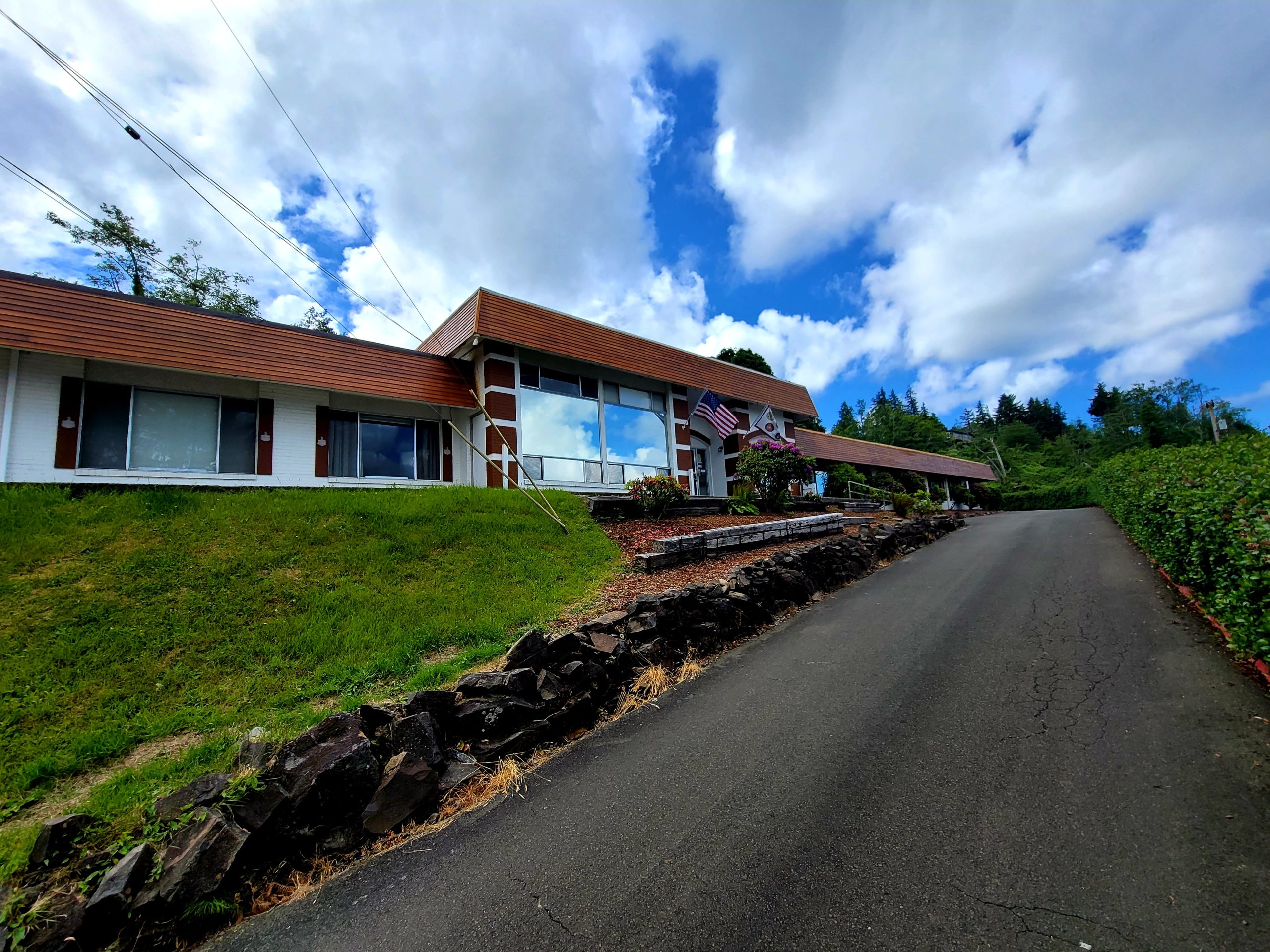

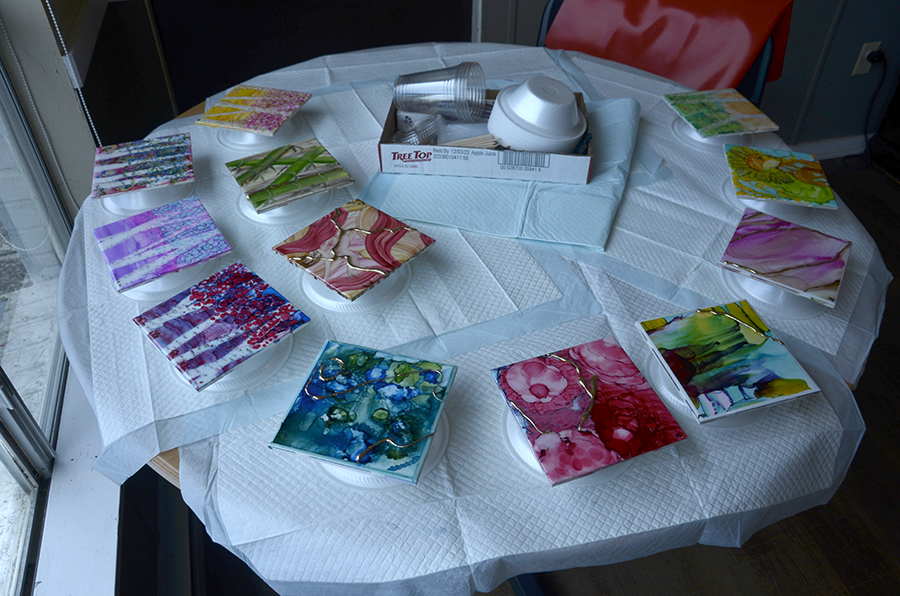


Our Milwaukie Outpatient Addiction Treatment Center
Let’s face it—recovery doesn’t happen in a vacuum. You’ve got bills, kids, deadlines, and emotions that don’t clock out. That’s why Virtue At The Pointe’s Milwaukie outpatient center offers dual diagnosis care that works with your life, not against it.
Our PHP and IOP programs give you the space to heal without pressing pause on everything else. You’ll come in several days a week for therapy, group support, and mental health treatment tailored to your story, your pace, and your goals.
Located just outside Portland, our outpatient center is a place where real life and real healing coexist. We don’t expect perfection—just progress, one step at a time.

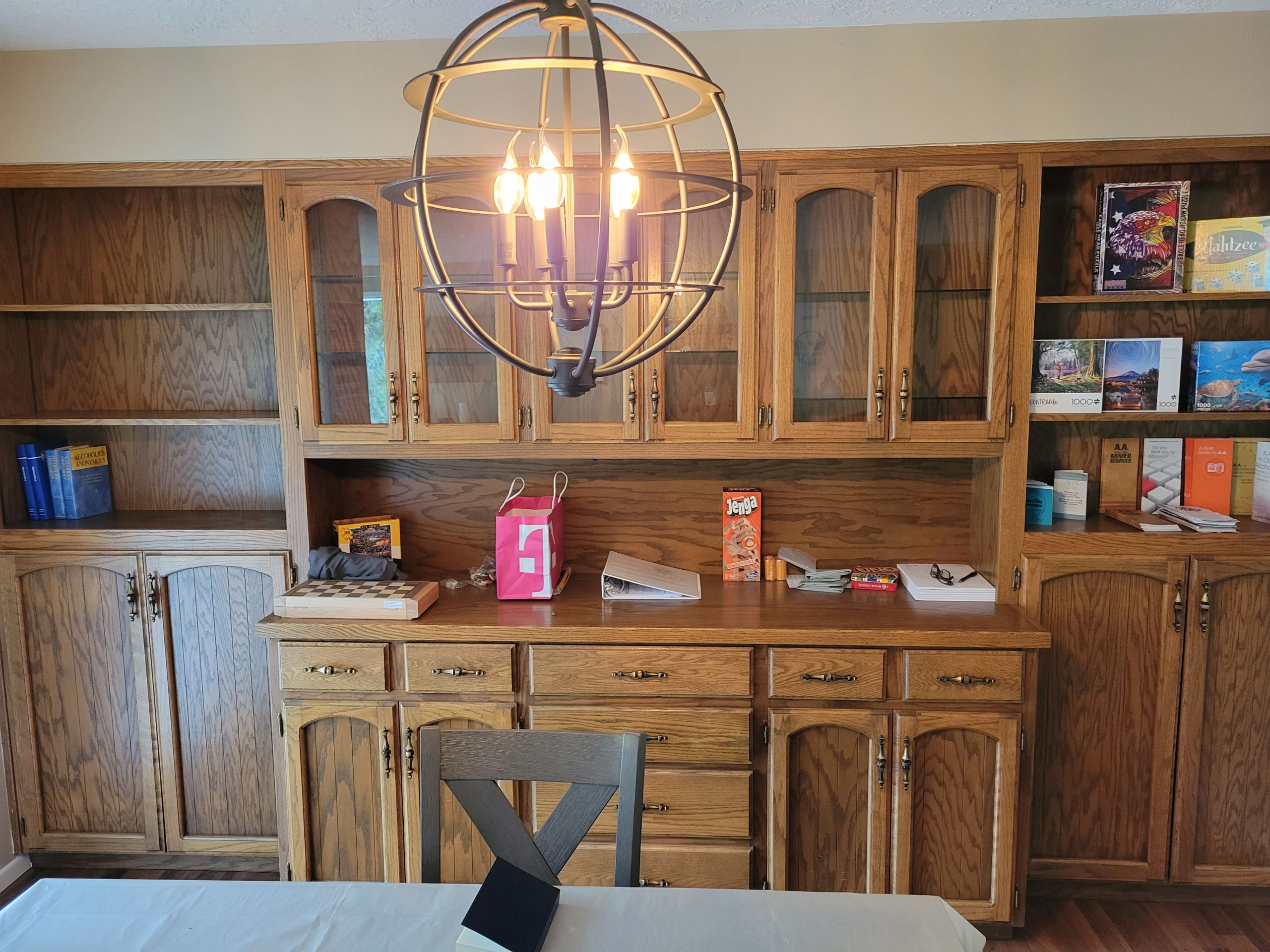
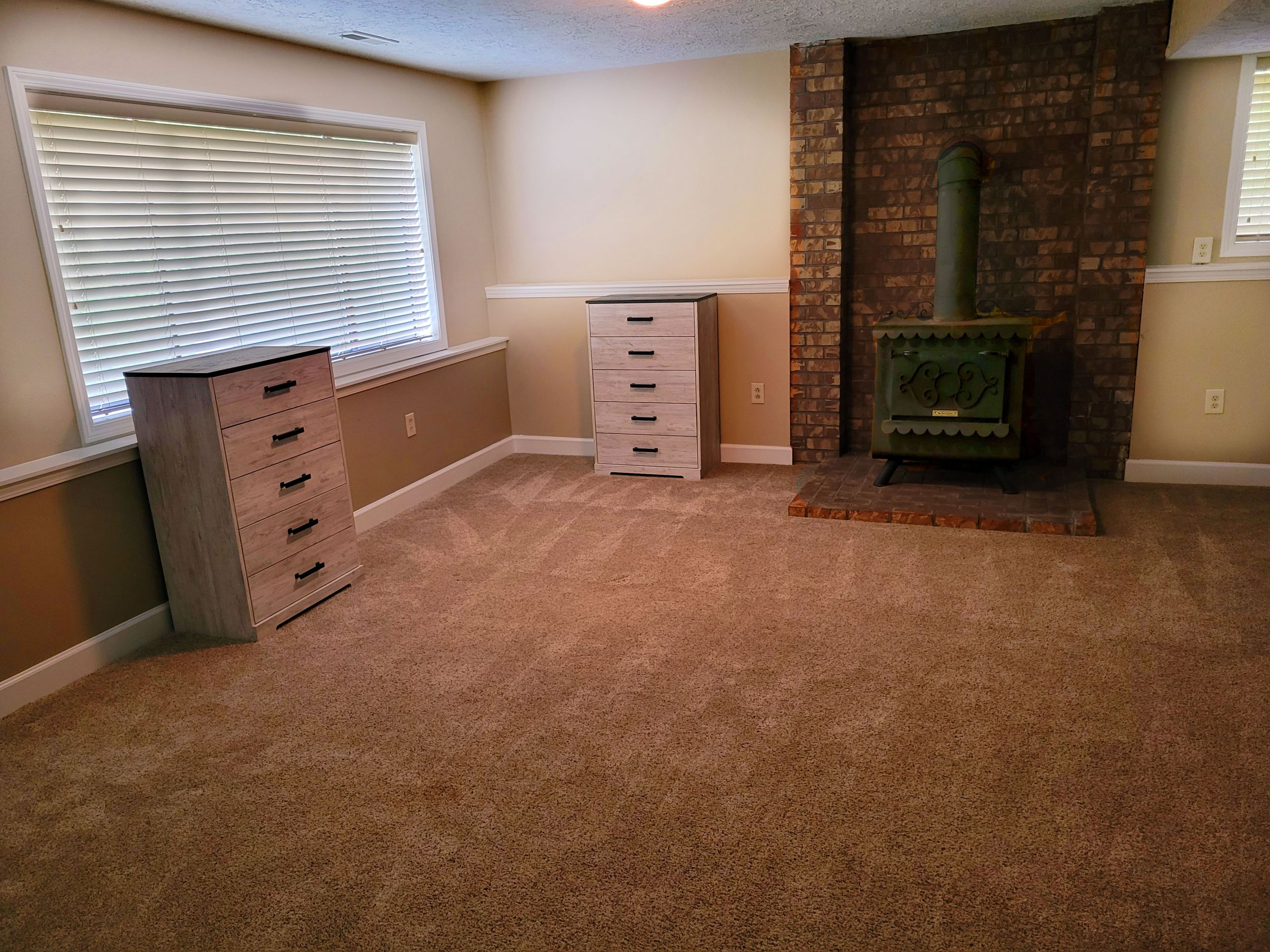
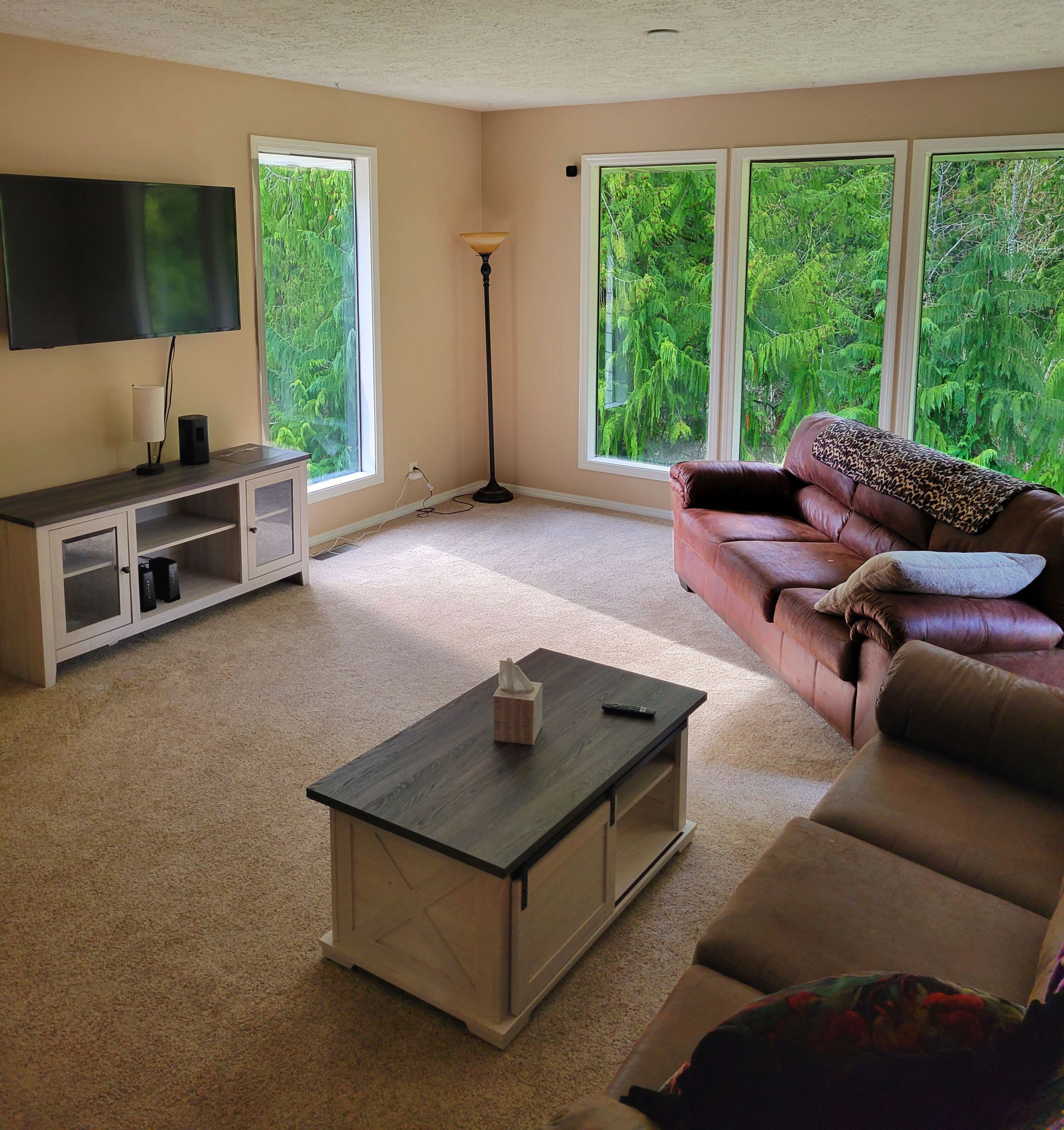
Our Milwaukie Outpatient Addiction Treatment Center
Let’s face it—recovery doesn’t happen in a vacuum. You’ve got bills, kids, deadlines, and emotions that don’t clock out. That’s why Virtue At The Pointe’s Milwaukie outpatient center offers dual diagnosis care that works with your life, not against it.
Our PHP and IOP programs give you the space to heal without pressing pause on everything else. You’ll come in several days a week for therapy, group support, and mental health treatment tailored to your story, your pace, and your goals.
Located just outside Portland, our outpatient center is a place where real life and real healing coexist. We don’t expect perfection—just progress, one step at a time.






Treating Co-Occurring PTSD and Addiction Disorders
When you’ve lived through trauma, substances can seem like the only way to silence the pain. Whether it’s alcohol to numb flashbacks or pills to sleep through the night, addiction often starts as a form of self-protection. But in time, what once helped starts to hurt.
At Virtue At The Pointe, we understand the deep connection between PTSD and substance use. That’s why our treatment doesn’t separate the two—we address them together, with trauma-informed therapy, emotional support, and a plan that moves at your pace. You’re not just here to get sober; you’re here to feel safe again.
Healing from trauma takes time, but you don’t have to do it alone. We’ll walk with you—step by step—toward a life where survival is no longer the goal. Thriving is.
Treating Co-Occurring Bipolar and Addiction Disorders
Living with bipolar disorder can feel like an emotional rollercoaster—and when addiction enters the picture, the ups and downs can become overwhelming. You might use substances to calm a manic episode or escape the weight of a depressive one. Over time, though, this coping strategy becomes its own source of pain.
That’s where dual diagnosis treatment comes in. At Virtue At The Pointe, we help you manage both conditions with compassion and structure. You’ll work closely with therapists and medical staff to develop healthy coping tools, regulate moods, and learn how to navigate your emotions without turning to drugs or alcohol.
You don’t have to keep doing this alone. With the right support, you can find stability, sobriety, and a life that finally feels manageable.

Ready to Start Your Dual Diagnosis Treatment at VATP?
You don’t have to keep living in survival mode. If addiction and mental health struggles are both part of your story, it’s time for care that treats all of you—not just part of you. At Virtue At The Pointe, our dual diagnosis program is designed to support your healing from the inside out.
We offer personalized treatment plans that address both substance use and co-occurring disorders like anxiety, depression, PTSD, and more. With licensed therapists, medical support, and a compassionate team by your side, you’ll finally have the tools—and the people—you need to move forward.
You’ve been carrying this alone long enough. Let us help you rewrite your story with treatment that truly understands both your pain and your potential.
Ready to Start Your Dual Diagnosis Treatment at VATP?
You don’t have to keep living in survival mode. If addiction and mental health struggles are both part of your story, it’s time for care that treats all of you—not just part of you. At Virtue At The Pointe, our dual diagnosis program is designed to support your healing from the inside out.
We offer personalized treatment plans that address both substance use and co-occurring disorders like anxiety, depression, PTSD, and more. With licensed therapists, medical support, and a compassionate team by your side, you’ll finally have the tools—and the people—you need to move forward.
You’ve been carrying this alone long enough. Let us help you rewrite your story with treatment that truly understands both your pain and your potential.
What Our Clients Are Saying
Frequently Asked Questions About Dual Diagnosis Addiction Treatment
What is dual diagnosis?
Dual diagnosis means a person is experiencing both a mental health disorder and a substance use disorder at the same time.
Why is dual diagnosis treatment important?
Treating both conditions together leads to better recovery outcomes and reduces the risk of relapse.
Can mental illness lead to addiction?
Yes. Many people use drugs or alcohol to cope with mental health symptoms like anxiety or depression.
What makes your dual diagnosis program different?
We treat addiction and mental health disorders together with integrated, evidence-based care.
Do you treat all types of mental illness?
Yes. We treat anxiety, depression, PTSD, bipolar disorder, and more—alongside substance use disorders.
What therapies are used in dual diagnosis treatment?
We use CBT, DBT, trauma-informed therapy, EMDR, group therapy, and individualized counseling.
Do you offer trauma-informed care?
Absolutely. Many clients with dual diagnosis have trauma histories, and we treat them with sensitivity and expertise.
What if I’m already on psychiatric medication?
Our team will evaluate and coordinate your existing prescriptions to ensure continuity and safety.
Can I get help for bipolar disorder and addiction?
Yes. We provide specialized support for clients living with bipolar disorder and substance use.
Is the treatment environment safe and inclusive?
Yes. We provide a safe, LGBTQIA+-affirming, and trauma-sensitive space for all clients.
Do you offer both inpatient and outpatient care?
Yes. We provide residential treatment in Astoria and outpatient care in Milwaukie.
Do you accept insurance?
Yes. We work with most major insurance providers and offer free benefits verification.
Is dual diagnosis care available for Veterans?
Yes. We offer specialized programs and trauma-informed care for Veterans.
How soon can I be admitted?
Often within 24–48 hours, depending on availability and clinical assessment.
Start Your Recovery Right Away
Contact Virtue At The Pointe Recovery Center to find a treatment program near you