Prescription Drug Addiction Treatment
Still telling yourself it’s “just your prescription”?
If you’re refilling early, taking more than prescribed, or hiding your use—it’s time to get help.
You don’t have to fight this alone.
Addiction to prescription drugs is very real and very severe; it sometimes catches people totally unaware because they may never have had any attraction to taking illegal drugs in the past.
Many people who become injured or are in pain due to physical disease, can be susceptible to becoming dependent on opioids in the form of a prescription.
We understand at Virtue recovery in Astoria drug rehab that it can be concerning for those who relied upon a drug to help them and to only find that it is now harming them. This type of substance use that leads to abuse and addiction can have long-lasting negative effects if not treated properly. The subtle and gradual way that prescription drugs lead to dependence upon them makes it all the more insidious and challenging to preempt it before it gets serious, especially with those who have never experienced dependency before.
When we are prescribed medication from our doctors, we generally believe that it will do no lasting harm. You may be recovering from a broken bone and before you know it, the bone is healed but you’re asking for more medication. That’s a typical scenario where many people end up in drug rehab for their dependency on prescriptions.
At Virtue Recovery in Astoria, we have seen that drug addiction and treatment for prescriptions are on the rise, specifically with people over the age of 40 as the most common cause is physical pain-related issues.

Addiction to prescription drugs is very real and very severe; it sometimes catches people totally unaware because they may never have had any attraction to taking illegal drugs in the past.
Many people who become injured or are in pain due to physical disease, can be susceptible to becoming dependent on opioids in the form of a prescription.
We understand at Virtue recovery in Astoria drug rehab that it can be concerning for those who relied upon a drug to help them and to only find that it is now harming them. This type of substance use that leads to abuse and addiction can have long-lasting negative effects if not treated properly. The subtle and gradual way that prescription drugs lead to dependence upon them makes it all the more insidious and challenging to preempt it before it gets serious, especially with those who have never experienced dependency before.
When we are prescribed medication from our doctors, we generally believe that it will do no lasting harm. You may be recovering from a broken bone and before you know it, the bone is healed but you’re asking for more medication. That’s a typical scenario where many people end up in drug rehab for their dependency on prescriptions.
At Virtue Recovery in Astoria, we have seen that drug addiction and treatment for prescriptions are on the rise, specifically with people over the age of 40 as the most common cause is physical pain-related issues.

How Prescription Medication Can Lead to Addiction
Rather than treat the sometimes underlying causes, or having people suffer through pain, more and more people turn to medication to function. Chronic pain and disease such as asthma, diabetes, heart conditions, obesity, HIV, autoimmune disorders are examples of challenges that without proper medication it would be difficult to survive and thrive. In addition, several mental disorders and illnesses that people live with when off their medication wreak havoc in their lives. Certainly, having access to medication is imperative for millions of people, but then does it go too far?
Drug dependency of any kind starts when the brain adjusts to the levels of the chemical compounds and then needs more to function at the same level. The little wires which the brain has for thought processing, called neuropathways, become “rewired” and start seeking the substance. In turn, this causes an immediate reaction to the need for the chemical balance, which becomes the behavior of addiction. It has little or nothing to do with “willpower” as once the brain becomes hardwired to need a chemical, without being completely locked away from it, a person will go to any length to obtain the substance.
Most people want to get off of drugs as an intellectual idea but find that they simply cannot be due to the drive the neuropathways have over their brain. Brain receptors that seek hormones such as dopamine are incredibly strong, and when they become dependent upon increasing the levels, a radical reversal such as medically controlled drug rehab and treatment is often the answer. People just can’t do it alone optimally.
Verify Insurance Coverage Today
Many insurance plans cover some type of addiction treatment. Contact Virtue at the Pointe for verification of your benefits.
Categories of Drug Dependence
Looking at the levels of dependency, one can see that heading an issue off at the first category has its advantages, though so many people are in denial that they could be addicted, or on their way to it, that they often end up in trouble.
Listed are general categories of drug dependency, after the use of prescription drugs:
- A physical tolerance happens there are increased amounts of the prescription to maintain similar effects, such as staying out of pain. This is the first level of addiction as many find themselves sometimes unconsciously “chasing the high.” Signs are when a patient returns to a doctor and asks for more or a higher dosage or starts lying to medical professionals to obtain more. The person will start to use it more often and more frequently. Depression and anxiety are usually present, as the user will be focusing more time on obtaining the medication and if not, can become emotionally unstable.
- The use continues with added negative consequences such as losing a job or relationships, jail time (often by theft of medication), educational and financial difficulties, a lack of responsibility, and even possible overdosing or hospitalization.
- Intensive use: this level occurs when everything in a person’s life no longer matters except obtaining and using the substance. Their personality, appearance, cognitive thinking, and emotional health will radically falter. Nothing anyone tries to do to help them will make a difference unless they have a “wake-up call.” Interventions can be helpful at this point. Drug treatment and rehab are something they will hopefully decide upon.

Categories of Drug Dependence
Looking at the levels of dependency, one can see that heading an issue off at the first category has its advantages, though so many people are in denial that they could be addicted, or on their way to it, that they often end up in trouble.
Listed are general categories of drug dependency, after the use of prescription drugs:
- A physical tolerance happens there are increased amounts of the prescription to maintain similar effects, such as staying out of pain. This is the first level of addiction as many find themselves sometimes unconsciously “chasing the high.” Signs are when a patient returns to a doctor and asks for more or a higher dosage or starts lying to medical professionals to obtain more. The person will start to use it more often and more frequently. Depression and anxiety are usually present, as the user will be focusing more time on obtaining the medication and if not, can become emotionally unstable.
- The use continues with added negative consequences such as losing a job or relationships, jail time (often by theft of medication), educational and financial difficulties, a lack of responsibility, and even possible overdosing or hospitalization.
- Intensive use: this level occurs when everything in a person’s life no longer matters except obtaining and using the substance. Their personality, appearance, cognitive thinking, and emotional health will radically falter. Nothing anyone tries to do to help them will make a difference unless they have a “wake-up call.” Interventions can be helpful at this point. Drug treatment and rehab are something they will hopefully decide upon.
Our Oregon Addiction Treatment Locations
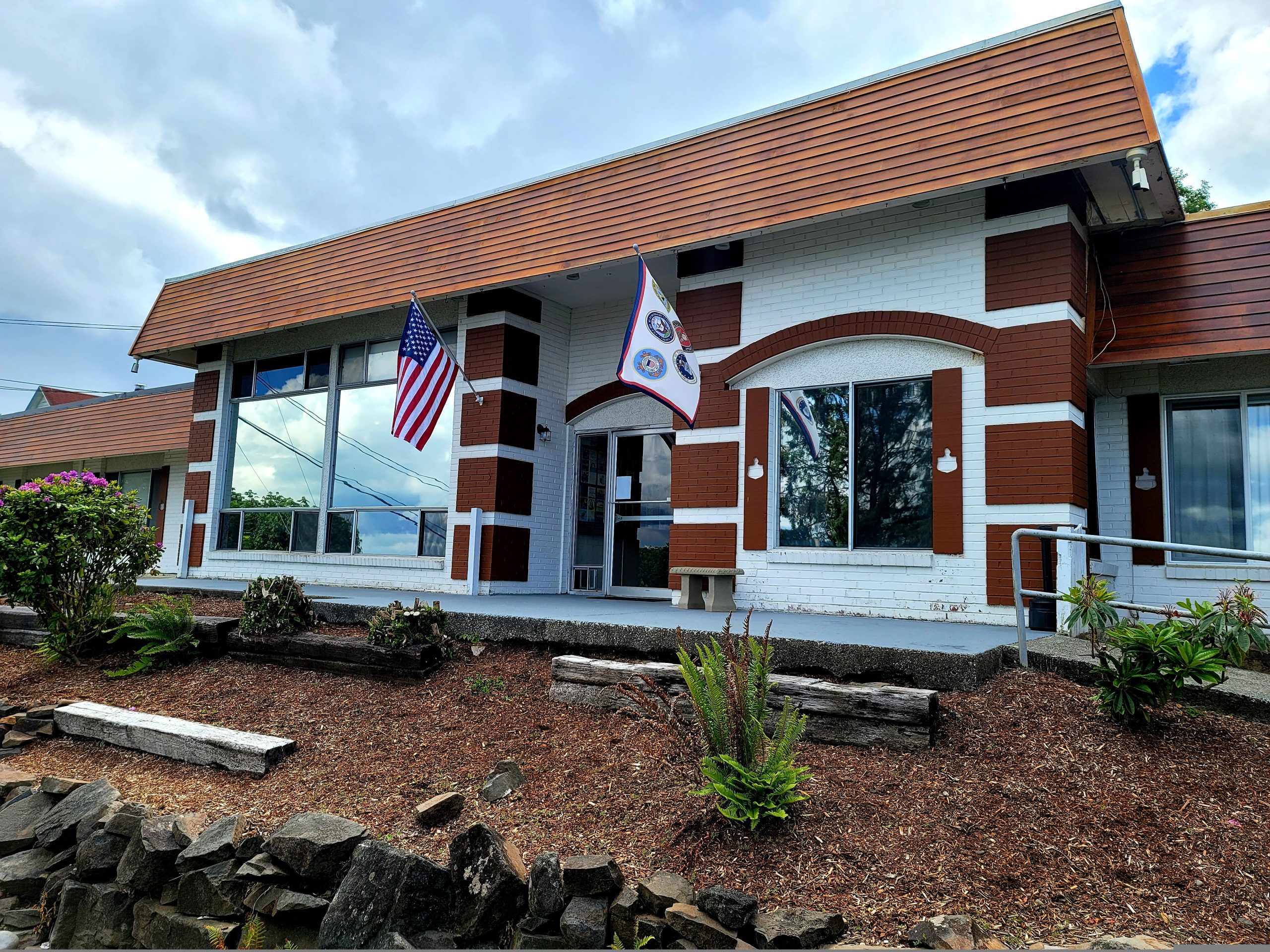
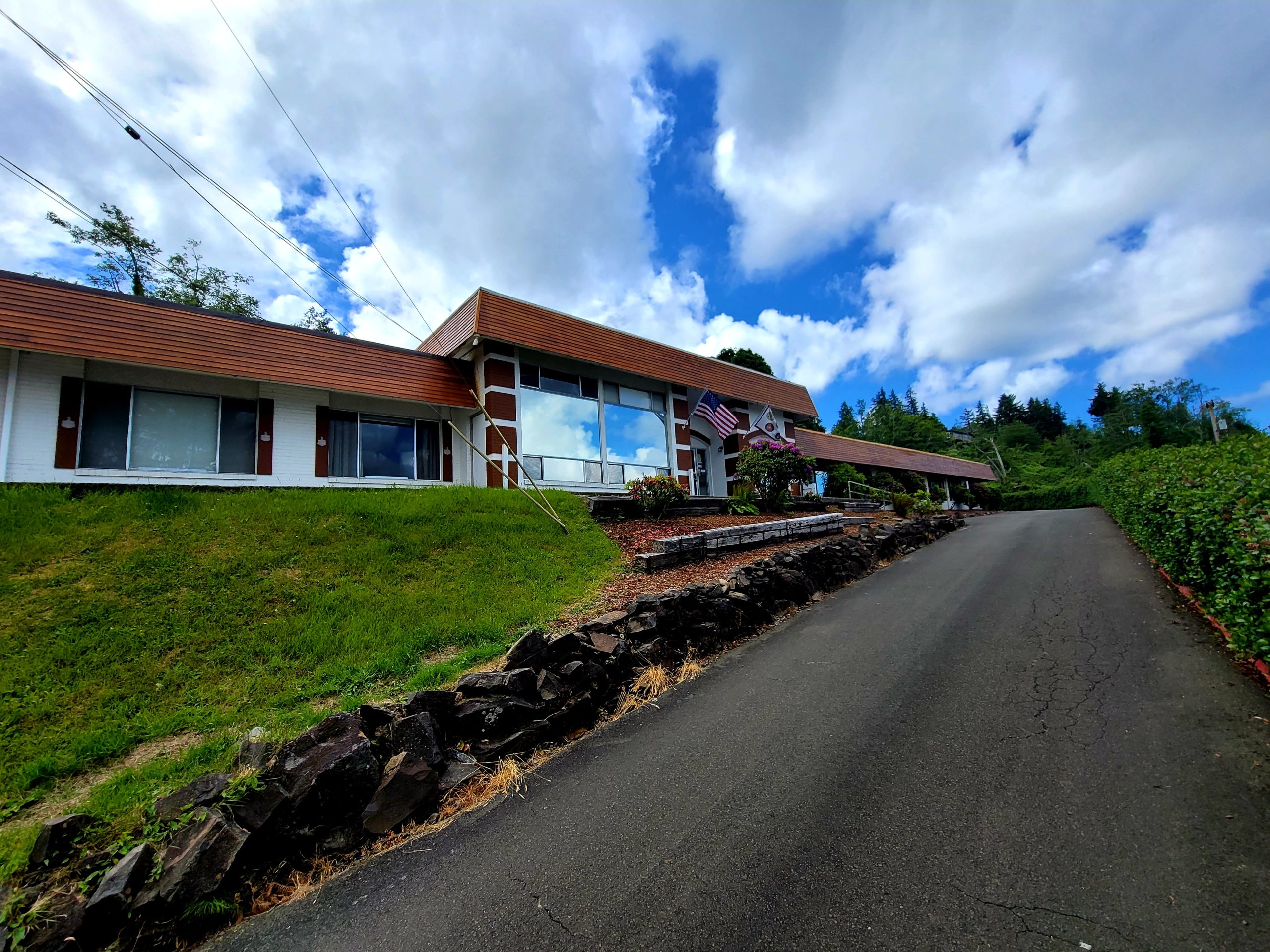
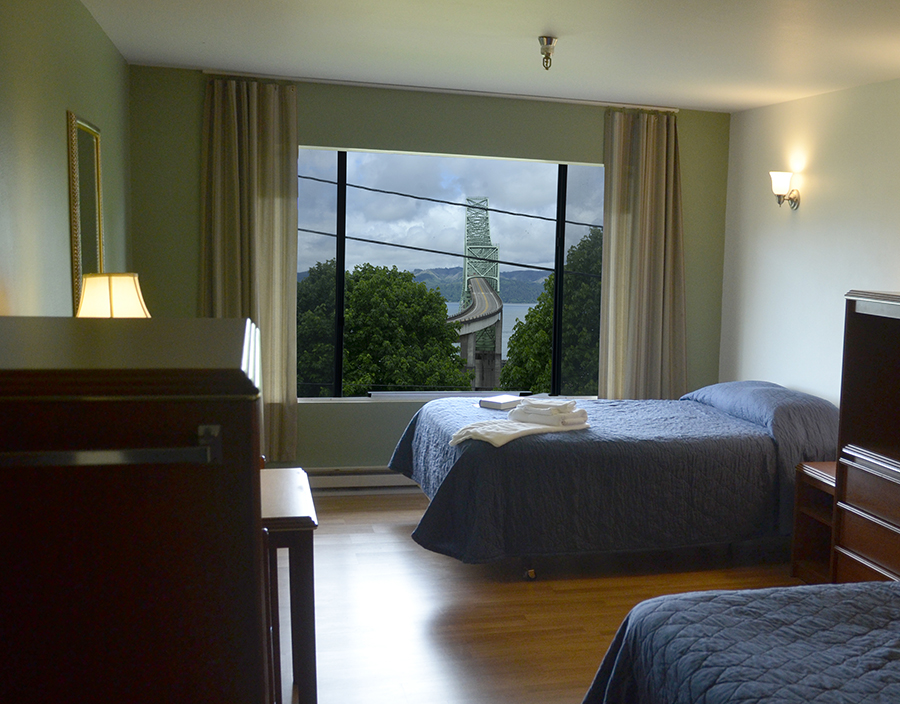
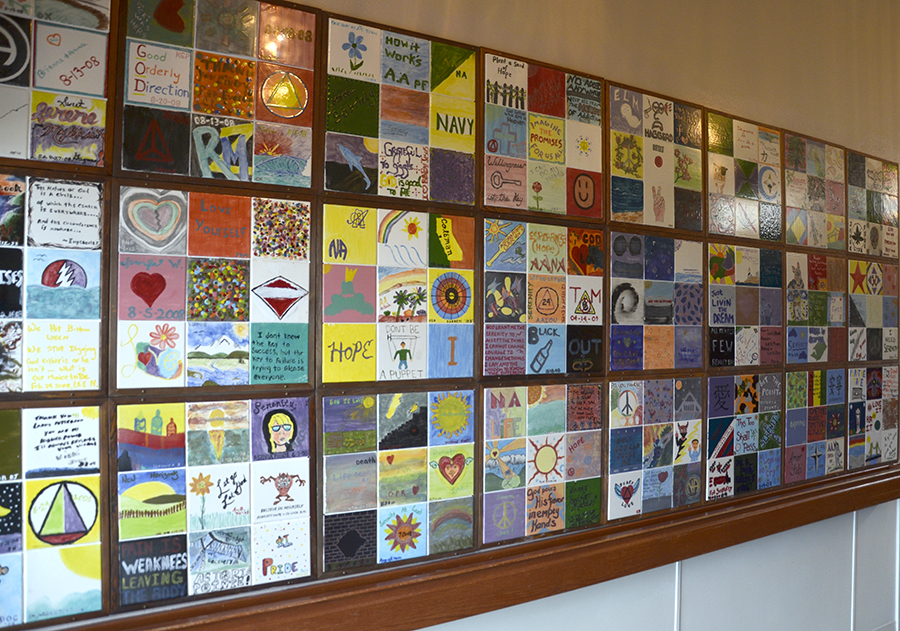
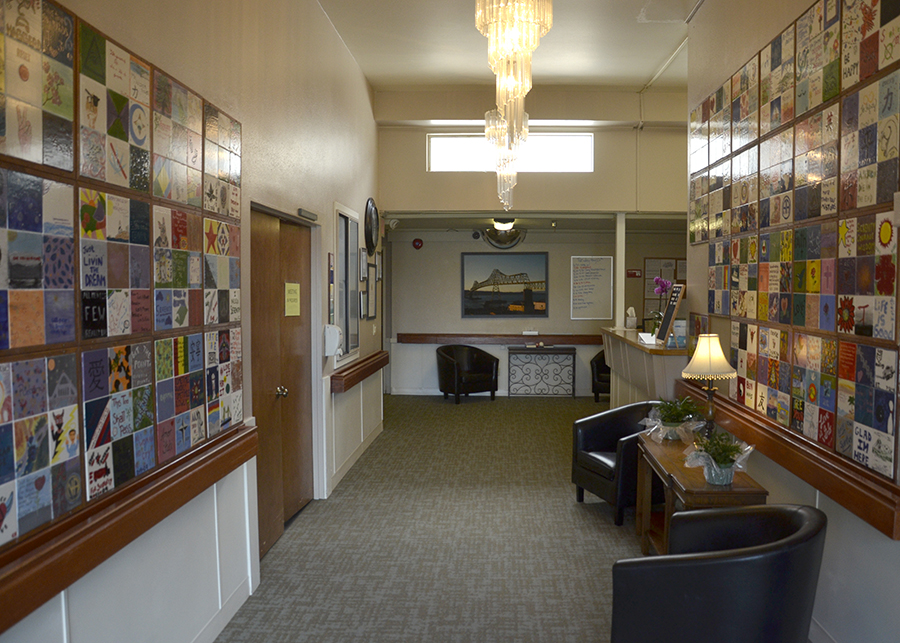
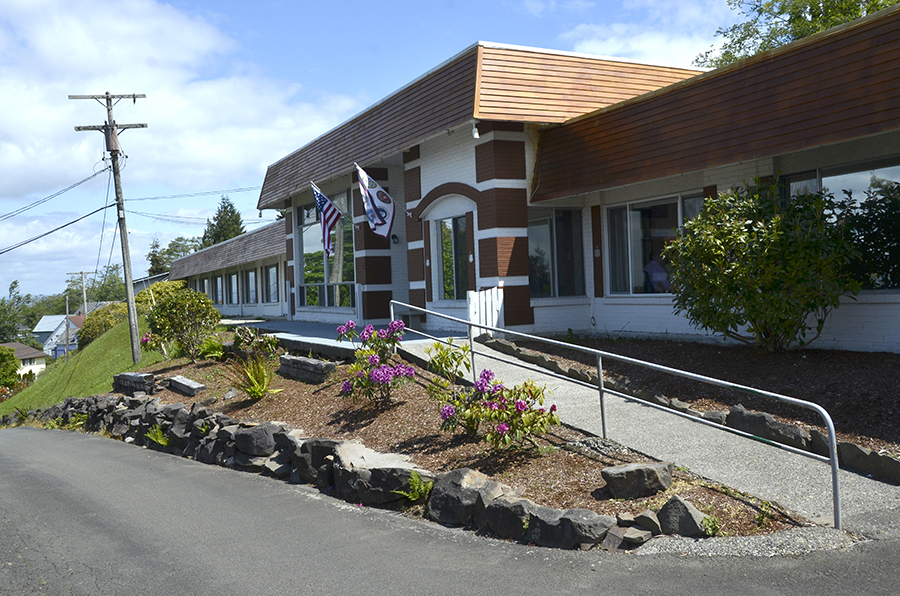
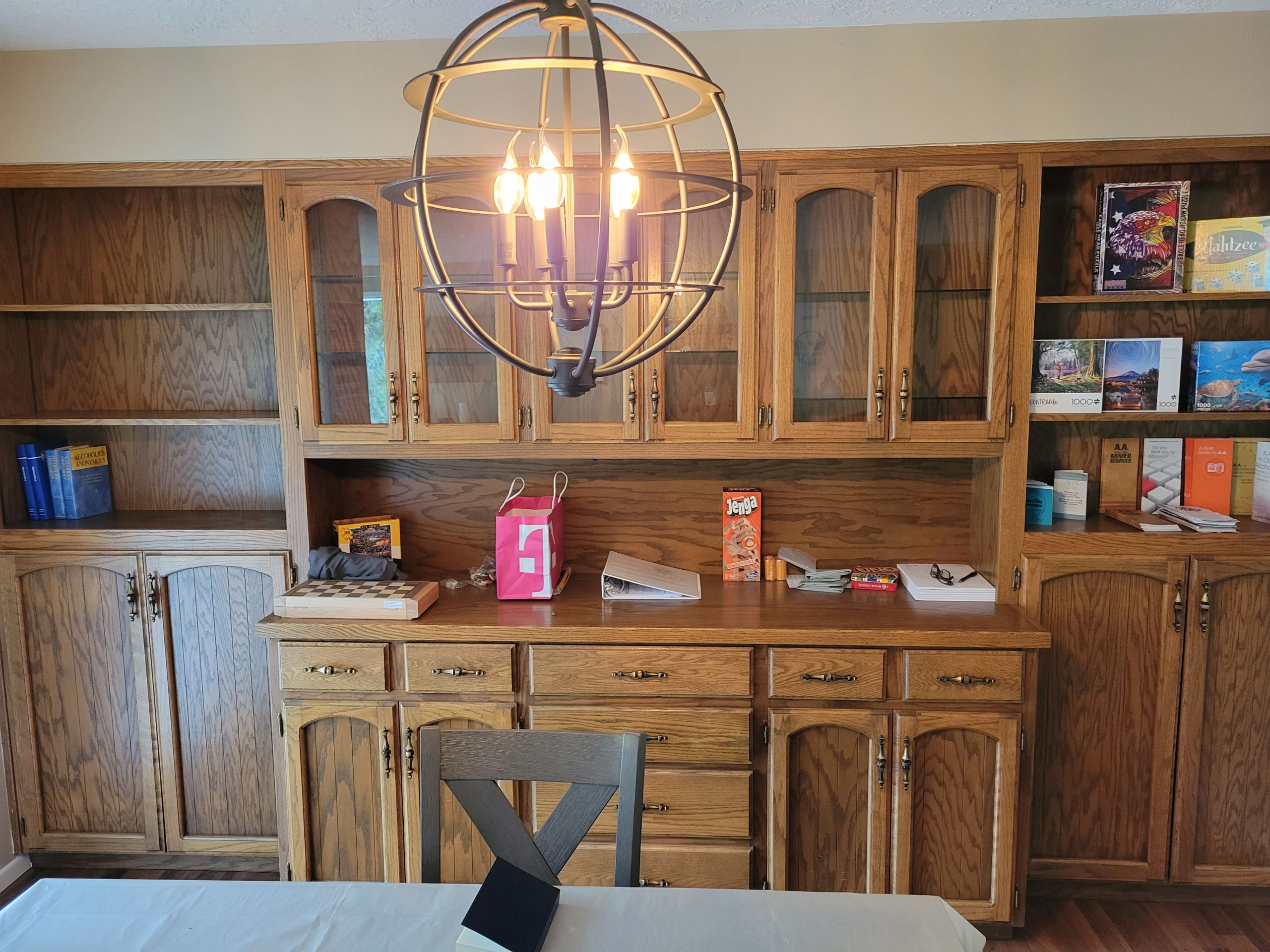
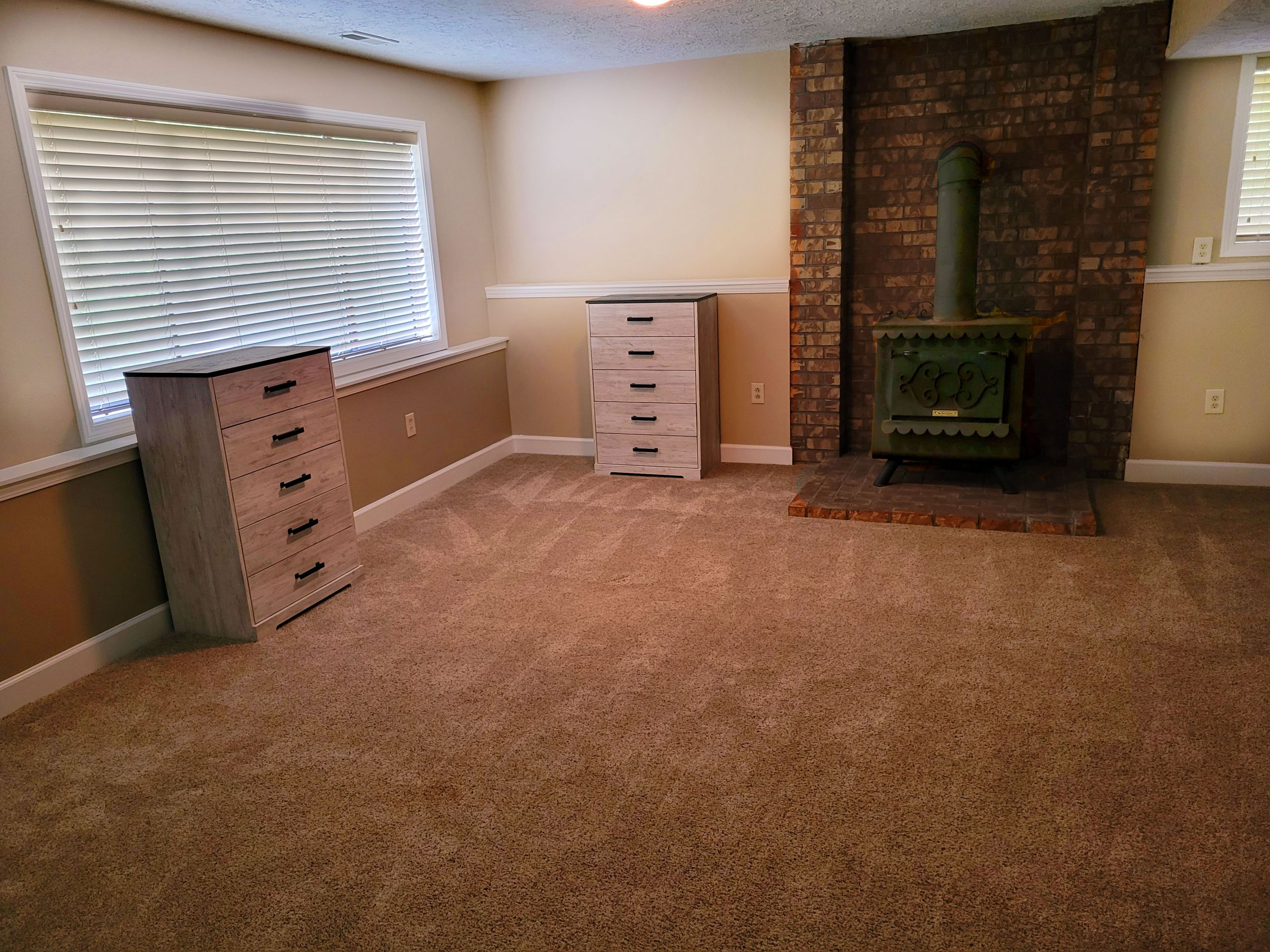
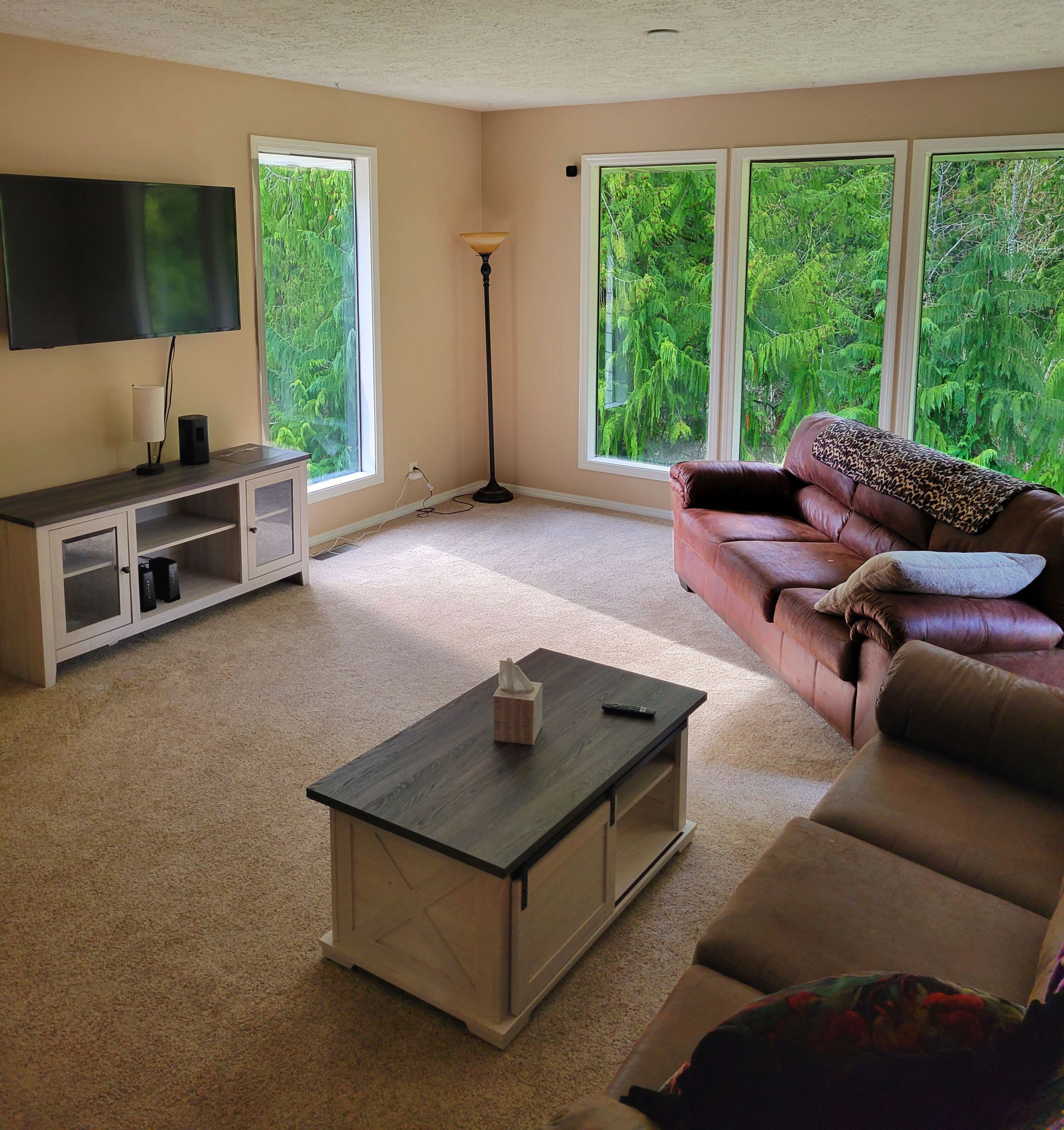
Our Astoria Inpatient Addiction Treatment Center
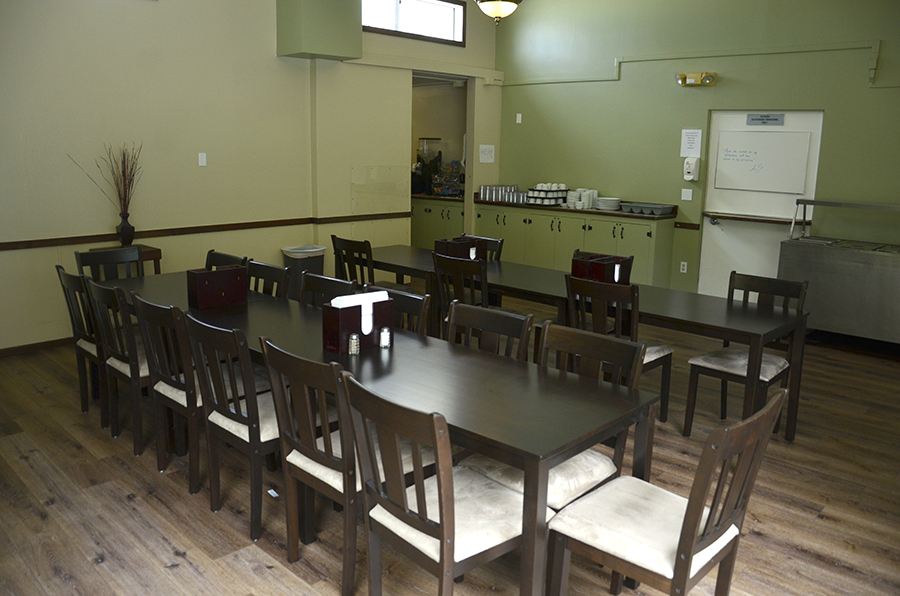
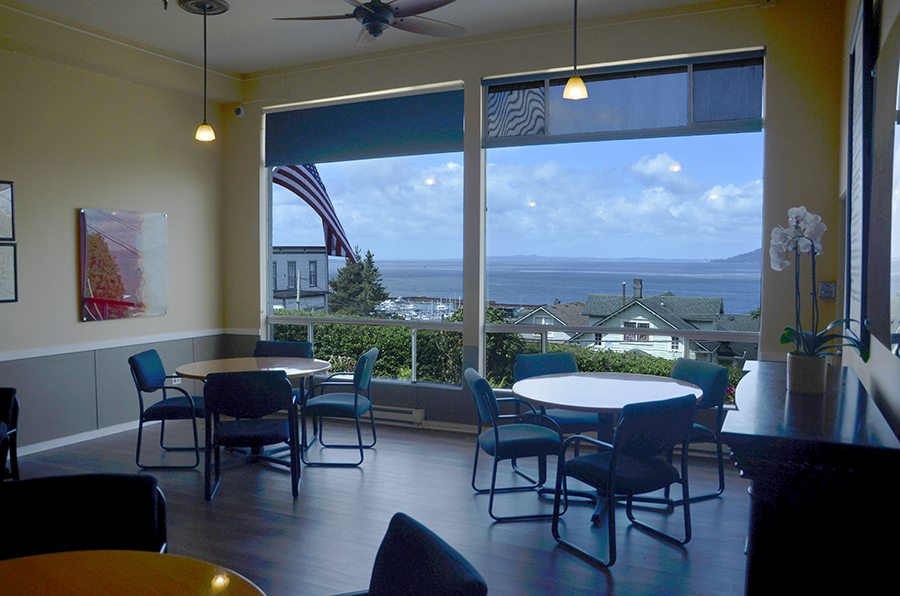
At Virtue At The Pointe’s inpatient center in Astoria, Oregon, healing begins in a peaceful environment where you can finally breathe. Nestled in the scenic Pacific Northwest, our facility is designed to reduce stress and eliminate the noise that often fuels addiction. With 24/7 medical and emotional support, we provide safety, structure, and space for real change.
Every person who walks through our doors receives an individualized care plan tailored to their unique history, struggles, and goals. From medically supervised detox to trauma-informed therapy and dual diagnosis treatment, we address both the symptoms and root causes of addiction.
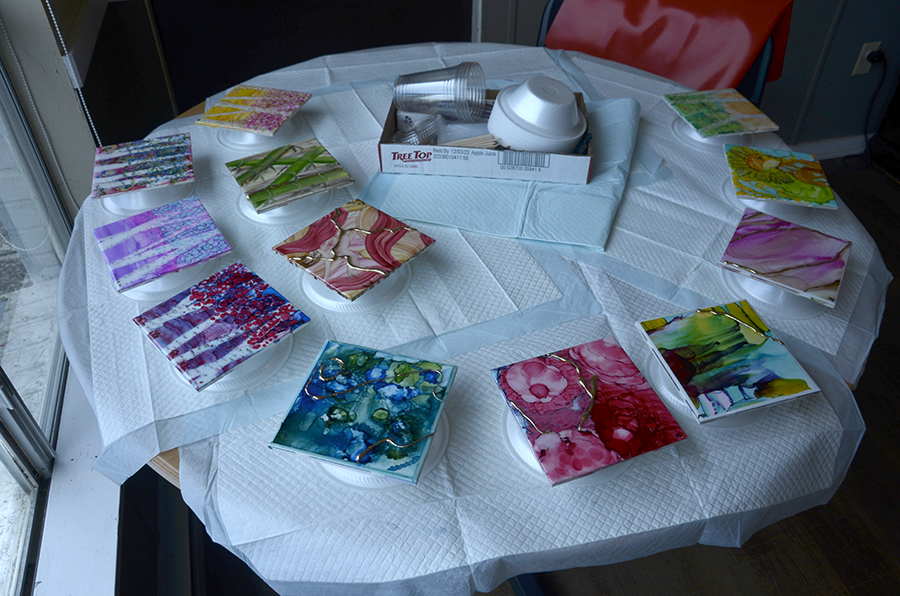
This isn’t just a place to pause—it’s a place to grow. Here, clients build new habits, gain emotional tools, and form connections that support long-term recovery in a community that truly understands.


Our Milwaukie Outpatient Addiction Treatment Center
At Virtue At The Pointe’s outpatient center in Milwaukie, Oregon, recovery doesn’t mean stepping away from your life—it means learning how to live it better. Just outside Portland, our calm, structured setting offers the support you need while allowing you to keep showing up for work, school, or family. Whether you’re starting your journey or stepping down from inpatient care, you’ll find a rhythm that works for you.
We offer Partial Hospitalization (PHP) and Intensive Outpatient Programs (IOP), each designed to fit your schedule while still delivering real clinical depth. You’ll engage in therapy, group counseling, relapse prevention, and holistic skill-building—tailored to your goals, needs, and real-life challenges.
This isn’t just flexible treatment—it’s focused healing. In our outpatient community, you’ll stay grounded, supported, and empowered to maintain your recovery in the world that matters most: your own.

Our Milwaukie Outpatient Addiction Treatment Center
At Virtue At The Pointe’s outpatient center in Milwaukie, Oregon, recovery doesn’t mean stepping away from your life—it means learning how to live it better. Just outside Portland, our calm, structured setting offers the support you need while allowing you to keep showing up for work, school, or family. Whether you’re starting your journey or stepping down from inpatient care, you’ll find a rhythm that works for you.
We offer Partial Hospitalization (PHP) and Intensive Outpatient Programs (IOP), each designed to fit your schedule while still delivering real clinical depth. You’ll engage in therapy, group counseling, relapse prevention, and holistic skill-building—tailored to your goals, needs, and real-life challenges.
This isn’t just flexible treatment—it’s focused healing. In our outpatient community, you’ll stay grounded, supported, and empowered to maintain your recovery in the world that matters most: your own.





Benzodiazepine Prescription Addiction Treatment
Benzodiazepines, such as Xanax, Ativan, and Klonopin, are commonly prescribed for anxiety, insomnia, and panic disorders. While effective when used as directed, prolonged use can lead to physical dependence, tolerance, and withdrawal symptoms that make it hard to stop safely. Many individuals become trapped in a cycle of increasing doses or constant use without realizing how deeply the drug is impacting their mental and physical health.
At Virtue At The Pointe, we offer a medically supervised tapering process designed to reduce the risks associated with sudden withdrawal, which can be dangerous without professional help. Our clinical team provides 24/7 support during detox, followed by personalized treatment that includes therapy, trauma support, and relapse prevention strategies.
Our goal is to help clients regain emotional and neurological stability, while learning new ways to manage stress, anxiety, and sleep—without relying on benzodiazepines. Through a combination of medical care and behavioral therapy, we help people rebuild a life free from prescription dependence.

Benzodiazepine Prescription Addiction Treatment
Benzodiazepines, such as Xanax, Ativan, and Klonopin, are commonly prescribed for anxiety, insomnia, and panic disorders. While effective when used as directed, prolonged use can lead to physical dependence, tolerance, and withdrawal symptoms that make it hard to stop safely. Many individuals become trapped in a cycle of increasing doses or constant use without realizing how deeply the drug is impacting their mental and physical health.
At Virtue At The Pointe, we offer a medically supervised tapering process designed to reduce the risks associated with sudden withdrawal, which can be dangerous without professional help. Our clinical team provides 24/7 support during detox, followed by personalized treatment that includes therapy, trauma support, and relapse prevention strategies.
Our goal is to help clients regain emotional and neurological stability, while learning new ways to manage stress, anxiety, and sleep—without relying on benzodiazepines. Through a combination of medical care and behavioral therapy, we help people rebuild a life free from prescription dependence.

Opioid Prescription Addiction Treatment
Opioid addiction continues to be one of the most serious public health issues in the country, affecting people from all walks of life. Whether it began with prescribed painkillers like OxyContin or morphine—or escalated to fentanyl or heroin use—opioid dependency hijacks brain chemistry and can quickly take over daily life. Because of the high risk of overdose and relapse, professional treatment is essential.
At Virtue At The Pointe, our opioid addiction treatment program begins with medically supervised detox to manage the intense withdrawal symptoms safely. Clients then receive a personalized care plan that includes evidence-based therapies such as Cognitive Behavioral Therapy (CBT), trauma-informed care, and dual diagnosis treatment for co-occurring mental health conditions.
Our structured approach not only addresses the physical side of addiction but also targets the emotional triggers and psychological patterns that keep people stuck in the cycle. With the right tools and support, long-term recovery from opioid addiction is not only possible—it’s achievable.
Stimulant Prescription Addiction Treatment
Stimulant medications like Adderall, Ritalin, and Vyvanse are commonly prescribed to treat ADHD and narcolepsy, but they can also lead to psychological dependence, especially when misused for focus, energy, or weight loss. Over time, stimulant abuse can cause anxiety, insomnia, paranoia, and heart complications, making early treatment critical. Many people begin using these drugs with a legitimate prescription or to meet academic or professional demands, only to find themselves caught in a dangerous cycle.
At Virtue At The Pointe, we treat stimulant addiction through a comprehensive, individualized approach that includes cognitive behavioral therapy, medication management (if needed), and life skills development. We focus on the underlying stressors or mental health conditions—like untreated ADHD or anxiety—that may have contributed to stimulant use in the first place.
Our program helps clients rebuild energy, motivation, and focus without relying on stimulants. With medical oversight, emotional support, and structure, long-term recovery is not only possible—it’s sustainable.
Stimulant Prescription Addiction Treatment
Stimulant medications like Adderall, Ritalin, and Vyvanse are commonly prescribed to treat ADHD and narcolepsy, but they can also lead to psychological dependence, especially when misused for focus, energy, or weight loss. Over time, stimulant abuse can cause anxiety, insomnia, paranoia, and heart complications, making early treatment critical. Many people begin using these drugs with a legitimate prescription or to meet academic or professional demands, only to find themselves caught in a dangerous cycle.
At Virtue At The Pointe, we treat stimulant addiction through a comprehensive, individualized approach that includes cognitive behavioral therapy, medication management (if needed), and life skills development. We focus on the underlying stressors or mental health conditions—like untreated ADHD or anxiety—that may have contributed to stimulant use in the first place.
Our program helps clients rebuild energy, motivation, and focus without relying on stimulants. With medical oversight, emotional support, and structure, long-term recovery is not only possible—it’s sustainable.
What Our Clients Are Saying
Frequently Asked Questions About Prescription Drug Addiction Treatment
What is prescription drug addiction?
It’s the compulsive use of a prescribed medication despite negative effects on your life, health, or relationships. It often starts with legitimate use but can quickly lead to dependence.
Which prescription drugs are most commonly abused?
Commonly misused drugs include opioids (like OxyContin), benzodiazepines (like Xanax), and stimulants (like Adderall or Ritalin).
Do you treat opioid addiction?
Yes. We provide detox and comprehensive care for opioid dependence, including fentanyl, oxycodone, hydrocodone, and heroin.
What about benzodiazepines like Xanax or Ativan addiction treatment?
Absolutely. We offer medically supervised tapering and therapeutic care for benzo dependence.
Can you help with stimulant addiction, like Adderall or Ritalin?
Yes. We treat stimulant addiction using behavioral therapy and coping strategies for underlying issues like ADHD or performance pressure.
Do you treat people using multiple prescriptions at once?
Yes. We specialize in treating polysubstance abuse and create individualized plans to address each substance involved.
What kinds of treatment programs do you offer?
We offer medical detox, inpatient treatment, partial hospitalization (PHP), intensive outpatient (IOP), and aftercare planning.
Do you offer trauma-informed care?
Yes. Many clients use prescription drugs to cope with trauma, so we incorporate trauma-focused therapy into treatment.
Will I be treated for chronic pain if I’m coming off opioids?
Yes. We work with clients to manage pain through non-addictive methods and holistic support.
Can you help with ADHD if I’m addicted to stimulants?
Absolutely. We evaluate each case and create a plan that supports your cognitive and emotional needs safely.
Do you accept insurance?
Yes. We work with most major insurance providers and offer free, confidential benefits verification.
Will I have to go through withdrawal?
You may experience withdrawal, but our medical team will support you with medications and care to keep you safe and comfortable.
Do you have a program for Veterans?
Yes. We offer specialized trauma-informed care and support for Veterans, especially those with chronic pain or PTSD.
Do you offer LGBTQIA+ inclusive treatment?
Yes. We offer inclusive, affirming care in a supportive, nonjudgmental environment.
Can I take medication during treatment?
Yes. Medications are reviewed and approved by our medical team to ensure safety and support your recovery.
Rehab Treatment for Prescription Abuse
The general public tends to believe that drug rehab is for people who are addicted to alcohol or illegal substances. At Virtue Recovery, we know that many people suffer from prescription medication dependency and are ready to help in Astoria.