Addiction Treatment
You don’t have to face addiction alone.
Virtue At The Pointe offers expert rehab care in Oregon, with programs designed for healing, hope, and long-term recovery.
We’re here to walk with you—every step of the way.


What is Addiction?
What is Addiction? The DSM-5 defines addiction as “Continuing to do the same behavior even though negative consequences result.” When non-addicts experience problems because of their drug or alcohol use, they learn not to drink or use again. When addicts have problems because of their drug or alcohol use, they consider it a fluke and don’t believe it will happen again. So the addict keeps doing the same thing over and over while expecting different results. Albert Einstein called this the definition of Insanity.
Addiction is a disease. It produces physical changes in the alcoholic or addict’s brain. As a disease, it needs to be treated like one. You can’t just “will” an addiction to go away. If a person has cancer or diabetes, that individual goes to a doctor to receive treatment. When a person has an addiction, he or she also needs to seek professional help. That is where Virtue at the Pointe steps in … we are professionals in treating addiction.

What is Addiction?
What is Addiction? The DSM-5 defines addiction as “Continuing to do the same behavior even though negative consequences result.” When non-addicts experience problems because of their drug or alcohol use, they learn not to drink or use again. When addicts have problems because of their drug or alcohol use, they consider it a fluke and don’t believe it will happen again. So the addict keeps doing the same thing over and over while expecting different results. Albert Einstein called this the definition of Insanity.
Addiction is a disease. It produces physical changes in the alcoholic or addict’s brain. As a disease, it needs to be treated like one. You can’t just “will” an addiction to go away. If a person has cancer or diabetes, that individual goes to a doctor to receive treatment. When a person has an addiction, he or she also needs to seek professional help. That is where Virtue at the Pointe steps in … we are professionals in treating addiction.

Is There a Cure for Addiction?
Can an addict learn to control their addictive behavior with the right addiction information? What are the causes of addiction, and can it be prevented? This is a complicated disease of the brain. So, the answer to these and other common questions is yes, no, and it depends. An addict suffers from the compulsive need for a habit-forming substance or behavior.
Addiction is defined as the “persistent compulsive dependence on a behavior or substance or the practice of something that is psychologically habit-forming, a chronic disease of the brain that leads to individual biological, psychological, social, and spiritual dysfunction reflected by the pathological pursuit of the reward or relief in the form of a substance or behavior.” Because what motivates an addict is his/her drug or behavior, the only real prevention is abstinence. There exist these types to all kinds of different things. Because we don’t live in a perfect world, some are more harmful than others, but each bears its level of pursuance and degree of necessity for the addict.
The complexity of this disease and overcoming it and the devastating effects are the ultimate goals so many addicts are trying to reach. Let’s take a look at some of the different abuse levels and how they affect the addict and their loved ones’ lives. Of the most likely things to become quickly addicted to are narcotic pain relievers in the form of opioids. Among the most commonly prescribed opioids are codeine, Fentanyl, Hydrocodone (Vicodin), Methadone (often used to treat heroin addicts), Morphine, and Oxycodone (Percocet, OxyContin). Doctors prescribe these medications to treat moderate to severe pain. Many people quickly become addicted to these drugs as they are often prescribed in around-the-clock dosages. This allows the body to get accustomed to the opiate very quickly. Those who are aware that they have an addictive personality should not take these medications.
Addiction Information

Eating Disorder Addiction Information
The effects of bulimia on the body are very harsh. It regularly transforms otherwise healthy women and girls into extremely unhealthy remnants of themselves very quickly. Body dysmorphic disorders cause women and girls to believe that they are overweight or fat when they are not in actuality. They take the extreme measures they deem necessary to lose weight an,d therefore, appear more appealing to others. The apparent result of such extreme behaviors is its effect on the body, malnutrition, which causes lower body temperature resulting in dehydration. The body will then begin suffering from a drop in blood pressure,e possibly causing hypotension, respiratory infections, blindness, organ failure, and eventually death to those who do not seek treatment. Considering how many deaths are caused by bulimia each year, young women and girls should choose to diet and lose weight.
Behavioral Addiction Information
There are also all types of behavioral addictions. Symptomatic behavioral dysfunctions cause one to become addicted to compulsive behavior, for instance, excessive gambling. Even if a compulsive gambler loses everything they have, they still can’t stop the impulse to gamble. Too often, this comes at the expense of the player losing his friends and family as a result. Other frequently observed behavioral problems include those having to do with sex and pornography, shopping, cutting oneself, and food. This often goes hand in hand, as one part of what is known as a dual diagnosis, the other being some eating disorder. The eating disorder that a food addict will most likely suffer from is bulimia, which causes one to overeat excessively and then force the expulsion of the food they consumed before digestion or “binging” and “purging.”
Dual Diagnosis Addiction Information
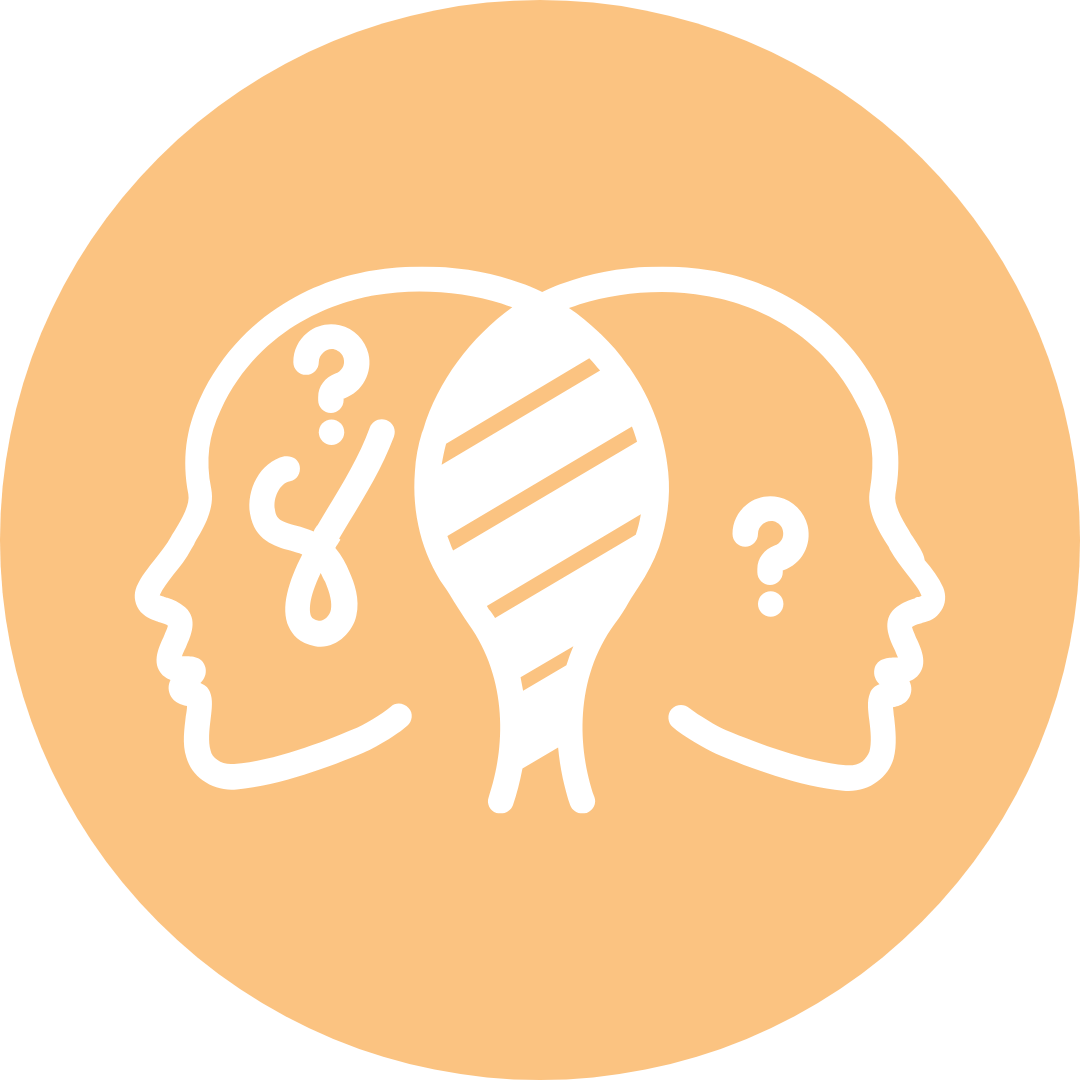
Dual diagnosis happens when someone experiences both a substance use problem and a mental health disorder at the same time, such as depression and alcohol abuse or anxiety and opioid dependence. Often, the mental health issue comes first, driving individuals to use drugs or alcohol in an attempt to feel better or escape overwhelming emotions. Unfortunately, substance use only intensifies the mental health struggles, creating a cycle that becomes harder to break over time. The impacts are far-reaching: mood swings, memory loss, weakened immune system, social isolation, and increased risk of self-harm or overdose. Physically, the body may experience fatigue, gastrointestinal issues, hormone imbalance, and nervous system damage. Without targeted treatment for both conditions, recovery becomes extremely difficult and relapse rates increase significantly.
Verify Insurance Coverage Today
Many insurance plans cover some type of addiction treatment. Contact Virtue at the Pointe for verification of your benefits.


The Drugs of Abuse
Many addicts suffering from alcoholism also have mental illness and the compounding of other abuse drugs. In fact, so many drug addiction cases began with a person who was a victim of abuse as a child and ended up on the street as a result. Many of our homeless people turn up in shelters consumed by drug users. Drug dealers prey on these individuals’ misfortune, and they soon become addicted to drugs and alcohol. Many of these users never get help with their problems. Do you know someone who needs help before it’s too late? Highly addictive and the most commonly abused street drugs are heroin, cocaine, and methamphetamine. They are also easily attainable, and their easy access makes controlling them tough for law enforcement and incredibly complicated to treat once addicted. The success rate of substance abuse treatment is sad, minimal, but treatment is available if a user wants to get help. The problem is that once an addict is hooked on amphetamines, heroin, or cocaine (specifically crack cocaine), it’s harder to stop using the drug. The body has already developed the physiological need for it, and without it, an addict will show signs of withdrawal or suffer physical pain. Most addicts find it more pleasant to keep using rather than go through the effects of withdrawal, and recovery becomes further out of reach for them. Addicts who are brave enough to enter into recovery are the lucky ones. They are given a second chance at life. Once a recovering addict gets through the early stages of recovery, they will eventually begin the slow process of healing.
The Drugs of Abuse
Many addicts suffering from alcoholism also have mental illness and the compounding of other abuse drugs. In fact, so many drug addiction cases began with a person who was a victim of abuse as a child and ended up on the street as a result. Many of our homeless people turn up in shelters consumed by drug users. Drug dealers prey on these individuals’ misfortune, and they soon become addicted to drugs and alcohol. Many of these users never get help with their problems. Do you know someone who needs help before it’s too late? Highly addictive and the most commonly abused street drugs are heroin, cocaine, and methamphetamine. They are also easily attainable, and their easy access makes controlling them tough for law enforcement and incredibly complicated to treat once addicted. The success rate of substance abuse treatment is sad, minimal, but treatment is available if a user wants to get help. The problem is that once an addict is hooked on amphetamines, heroin, or cocaine (specifically crack cocaine), it’s harder to stop using the drug. The body has already developed the physiological need for it, and without it, an addict will show signs of withdrawal or suffer physical pain. Most addicts find it more pleasant to keep using rather than go through the effects of withdrawal, and recovery becomes further out of reach for them. Addicts who are brave enough to enter into recovery are the lucky ones. They are given a second chance at life. Once a recovering addict gets through the early stages of recovery, they will eventually begin the slow process of healing.

Recovering from a Life of Addiction
Depending on their drug of choice, many addicts not only have to recover from the initial after-effects of not using their drug of choice, but they now are experiencing a broad range of other related health problems caused by so many years of using. Many addicts contract STDs, hepatitis, or severe heart problems because of their prolonged drug use. Prolonged use of these drugs has even caused many addicts to have a heart attack or stroke, yet they continued to use it. Most don’t even realize the extent of the damage they have done to their bodies until they get clean. Addict s who used these types of abusive drugs become malnourished from not eating enough. They develop tooth decay and skin irritations due to the compulsive digging and scratching of the skin. They have done permanent damage to their bodies that have changed how they look and feel about themselves. Through recovery, this can be dealt with, and addicts can begin to feel like themselves again. Acceptance plays a big part in understanding the changes that have taken place in the body of the user. Addicts must resign themselves to the fact that they may never look the way they once did. It is challenging for addicts to come to terms with this.
Our Oregon Addiction Treatment Locations
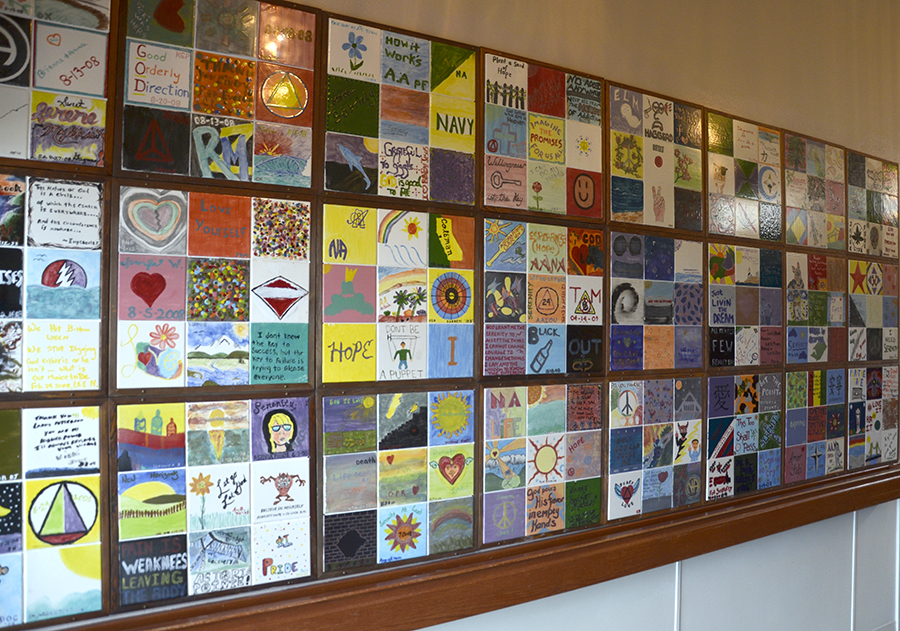
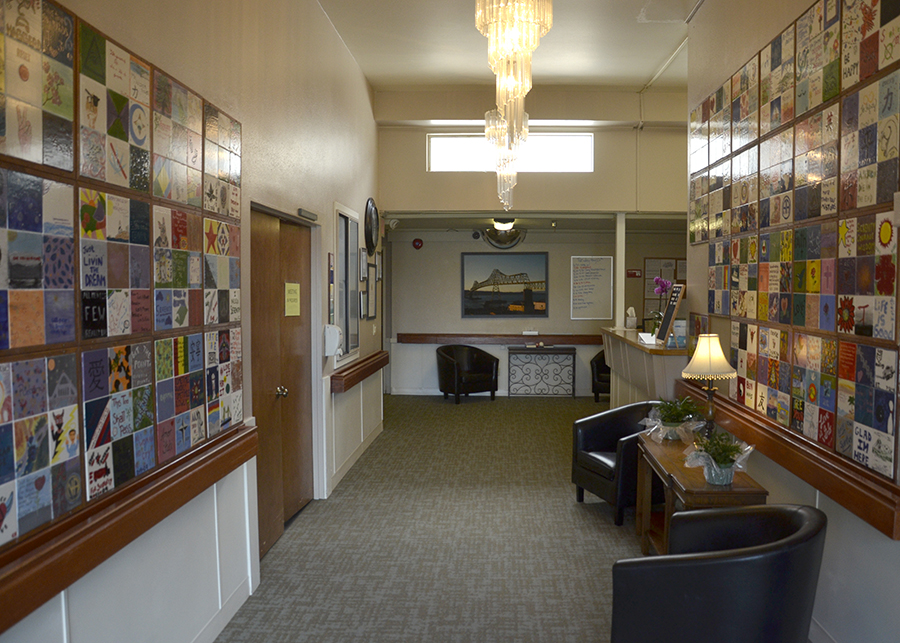
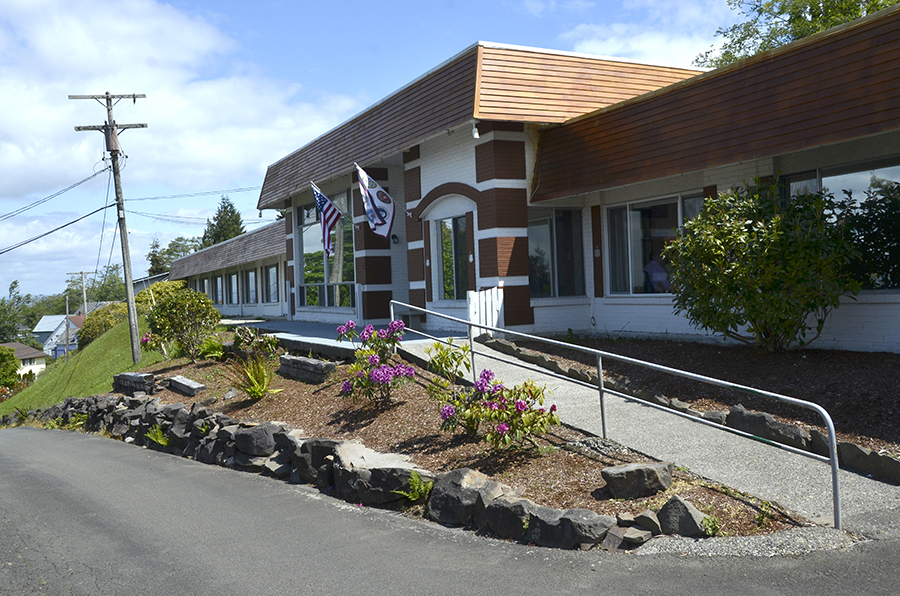
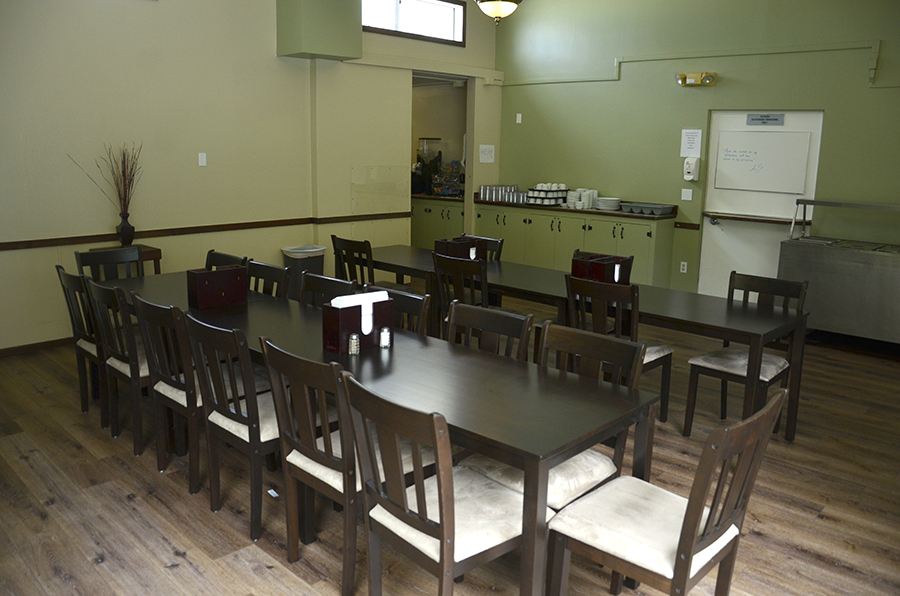
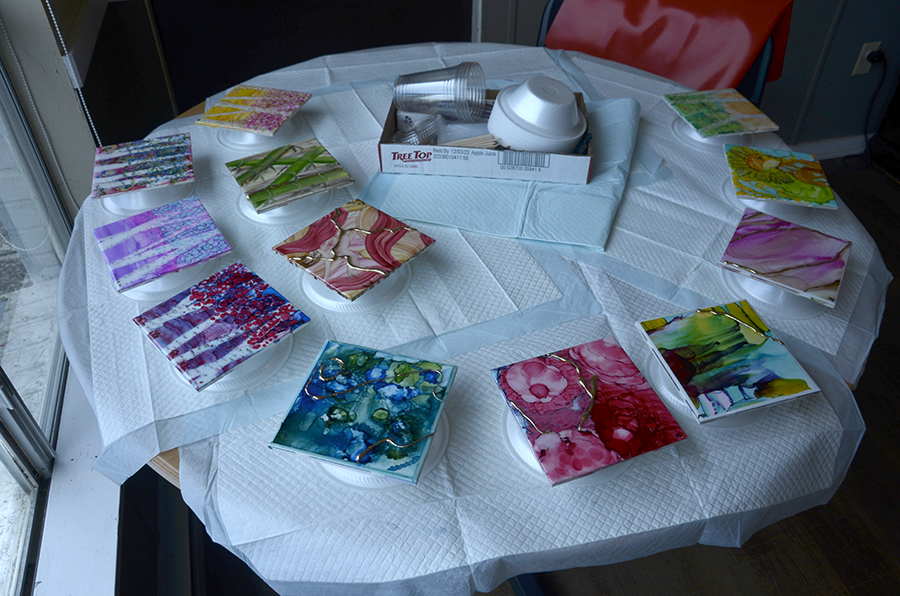
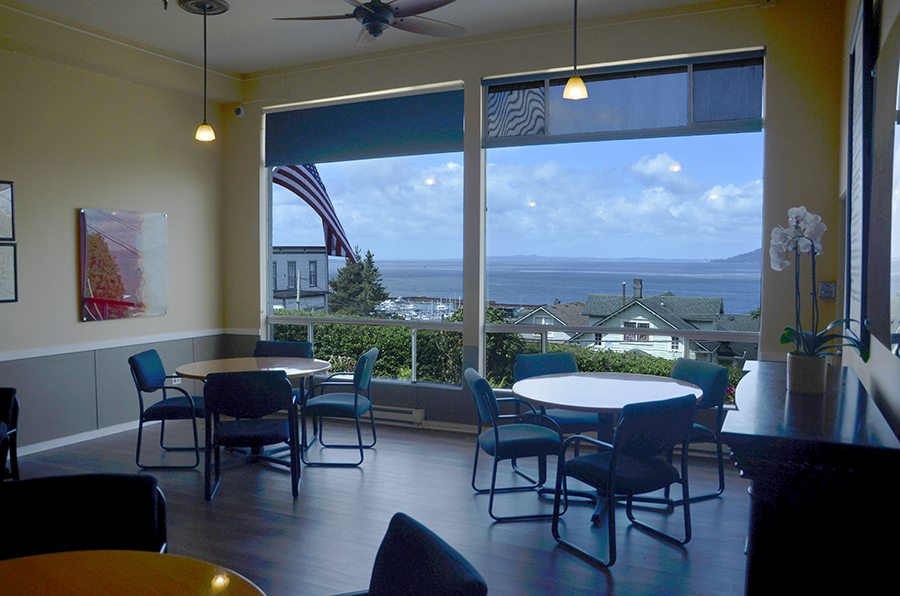
Our Astoria Inpatient Addiction Treatment Center
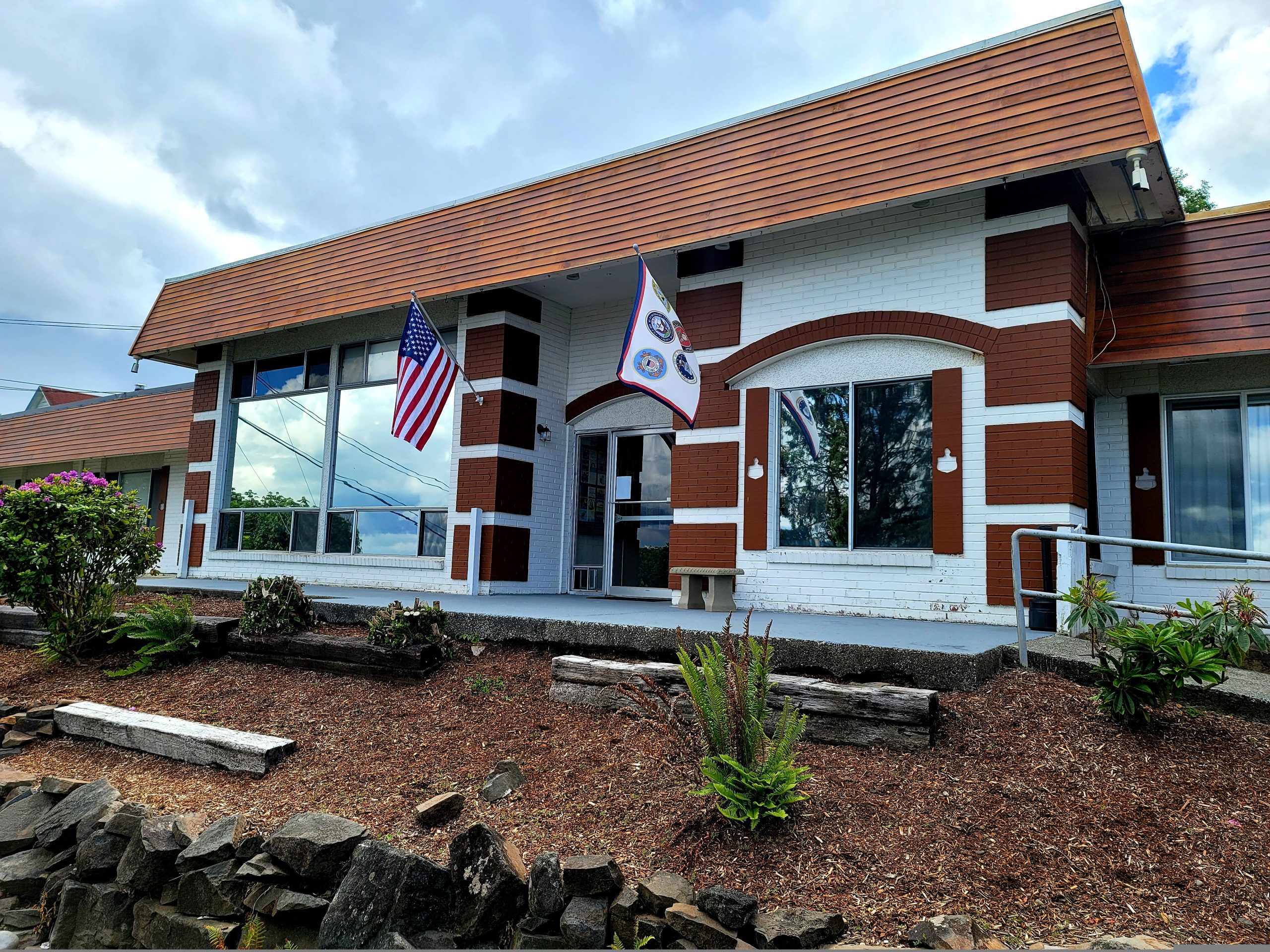
Virtue At The Pointe’s inpatient program in Astoria, Oregon offers comprehensive addiction treatment in a calm, structured setting. Located in the scenic Pacific Northwest, our facility is designed to eliminate distractions and support focused healing with 24/7 care. Services include medically supervised detox (if needed), trauma-informed therapy, and dual diagnosis treatment.
Each client receives a personalized care plan that addresses the physical, emotional, and psychological aspects of substance use. Through clinical therapies, life skills training, and peer support, we help individuals develop the tools they need for long-term recovery. This setting provides a stable, supportive space to begin—or strengthen—the journey to lasting sobriety.



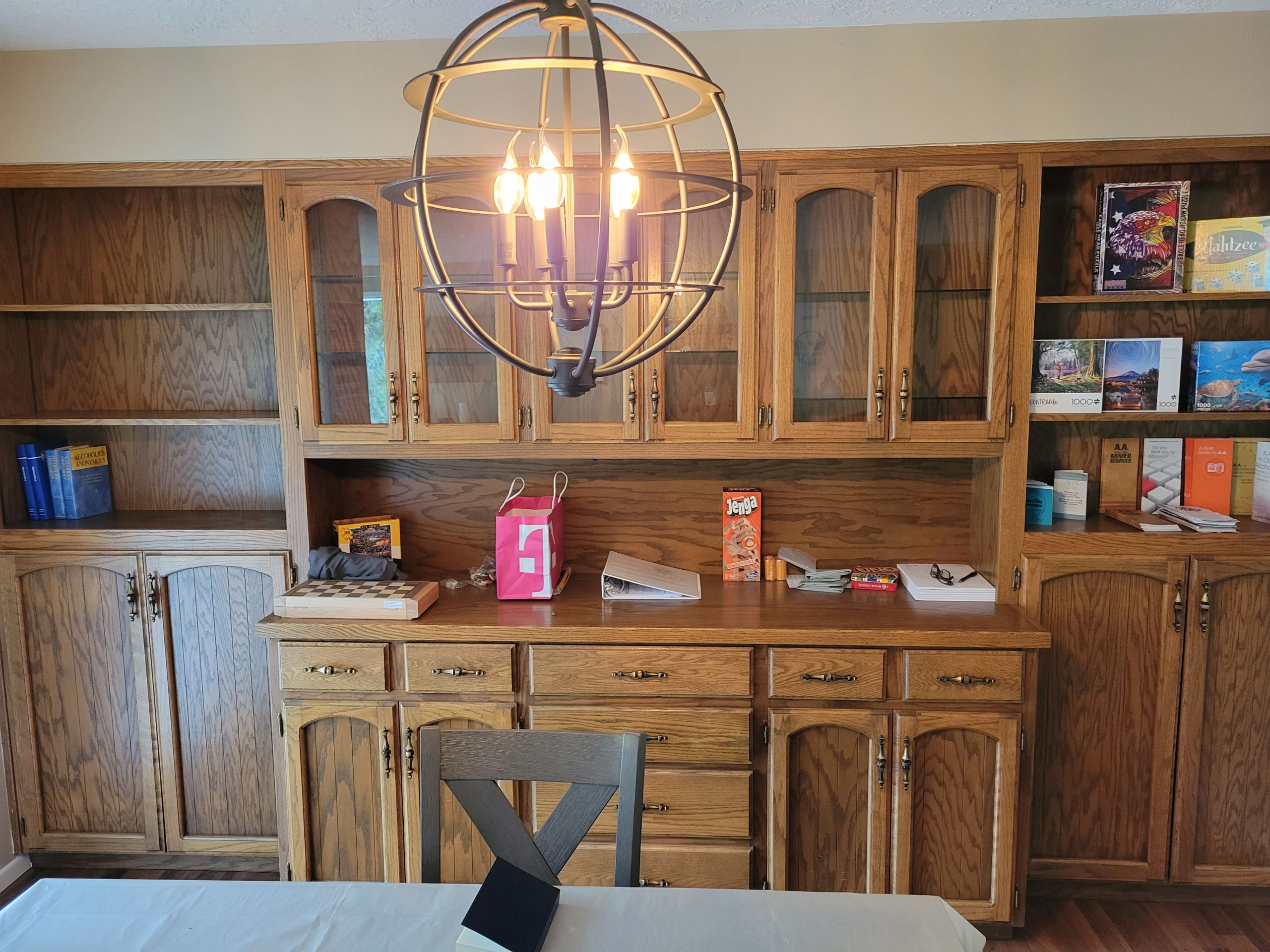
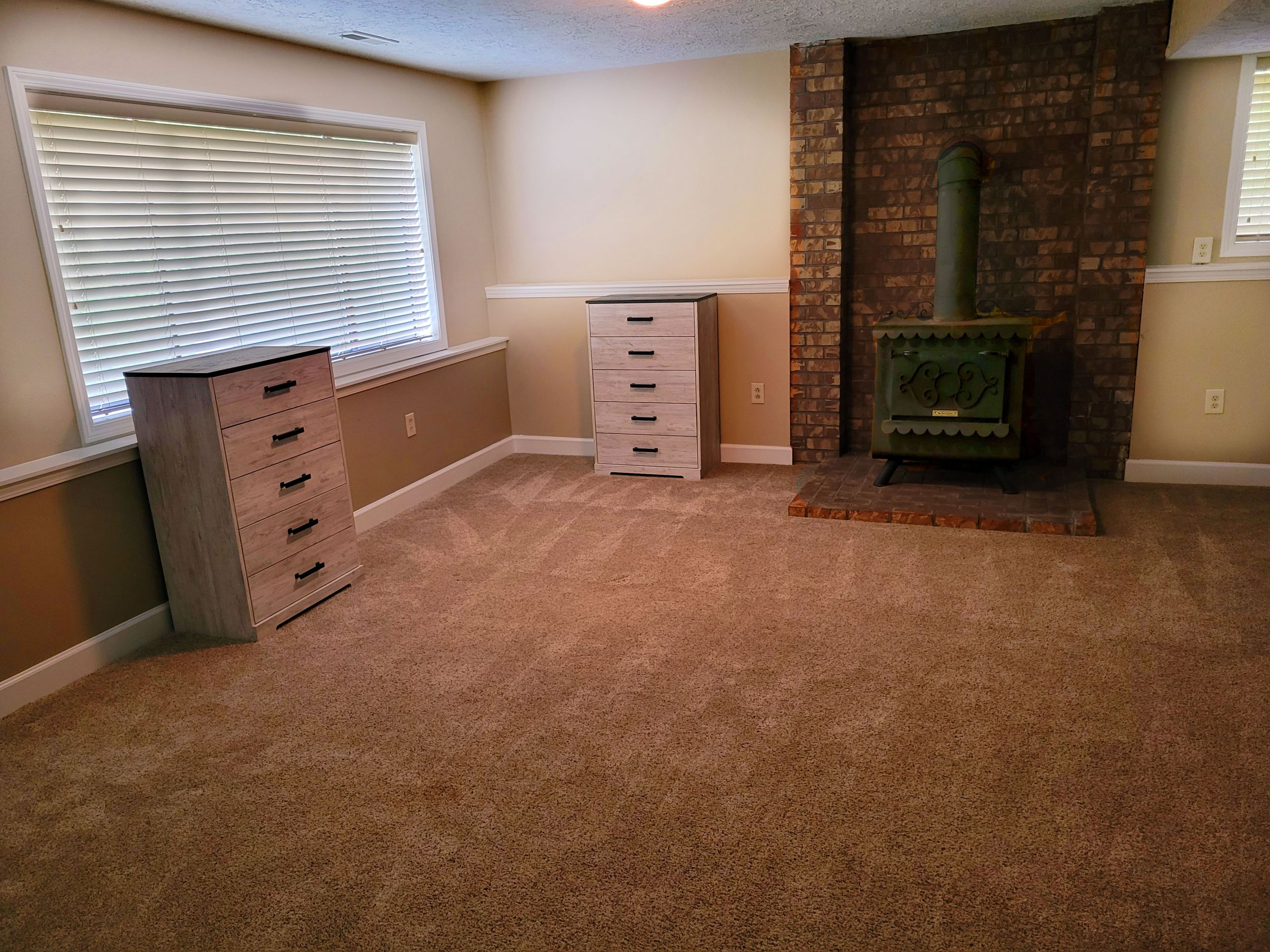
Our Milwaukie Outpatient Addiction Treatment Center
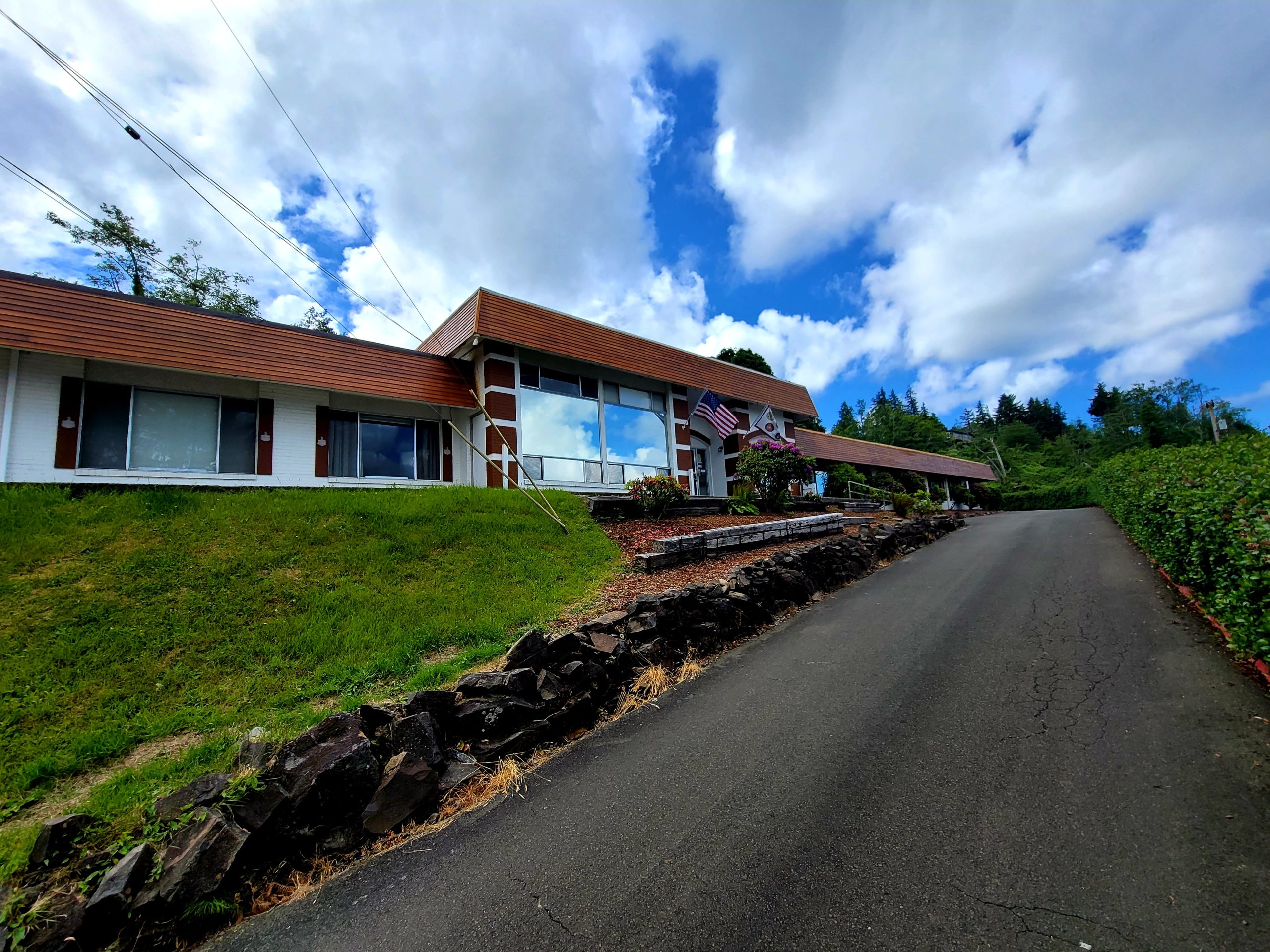
Virtue At The Pointe’s outpatient treatment center in Milwaukie, Oregon provides structured, evidence-based care for individuals balancing recovery with daily life. Whether you’re transitioning from inpatient treatment or seeking support while maintaining work or family responsibilities, our Partial Hospitalization (PHP) and Intensive Outpatient Programs (IOP) are designed to meet you where you are.
Clients participate in individual therapy, group counseling, and relapse prevention education several times per week, all customized to their personal goals. Conveniently located near Portland, our center offers flexible scheduling without sacrificing clinical depth—making it easier to stay engaged in treatment while living life in recovery.

Our Milwaukie Outpatient Addiction Treatment Center
Virtue At The Pointe’s outpatient treatment center in Milwaukie, Oregon provides structured, evidence-based care for individuals balancing recovery with daily life. Whether you’re transitioning from inpatient treatment or seeking support while maintaining work or family responsibilities, our Partial Hospitalization (PHP) and Intensive Outpatient Programs (IOP) are designed to meet you where you are.
Clients participate in individual therapy, group counseling, and relapse prevention education several times per week, all customized to their personal goals. Conveniently located near Portland, our center offers flexible scheduling without sacrificing clinical depth—making it easier to stay engaged in treatment while living life in recovery.





Other Addiction Information Facts
Often, other roadblocks to recovery for an addict that is tough to accept are those horrible things the addict may have done. Many can’t forgive themselves once their conscience is restored through the process of addiction recovery. They feel if they can’t forgive themselves, how can anyone else possibly forgive them for their wrongdoings? These feelings of inadequacy often lead addicts to relapse; go right back to “getting high.” An addict must get educated on the proper addiction information and understand that the whole process of recovery takes time. After all, it didn’t develop overnight, and it took prolonged use of the drugs they were using to enter into the disease. Just the same, recovery doesn’t happen overnight either. Patience is necessary to recover fully.
Alcoholism is by far the most common problem in this country. It affects over 20 million people in the United States alone. Over 60% of alcoholics have a history of alcoholism in their families. Unfortunately, 90% of recorded child abuse cases are the result of alcoholism. Believe it or not, alcohol is the most challenging addiction to kick. Addiction affects the body in the most detrimental ways, and it is the only actual “drug” that, if stopped, “cold turkey,” can sometimes cause the death of an alcoholic. Unfortunately, this can happen due to the severity of withdrawal symptoms and how chemically dependent the alcoholic is on alcohol. Because often taking another drink is less painful to an alcoholic than not taking one, it is harder for an alcoholic to quit independently without assistance and support. It takes carefully monitored medical treatment in a qualified alcohol addiction treatment facility to aid the alcoholic to stop drinking successfully. Otherwise, a severe alcoholic can develop hallucinations or go into convulsions or even have a seizure. These are symptoms associated with what is called delirium tremens, or DT’s.

Alcoholism is by far the most common problem in this country. It affects over 20 million people in the United States alone. Over 60% of alcoholics have a history of alcoholism in their families. Unfortunately, 90% of recorded child abuse cases are the result of alcoholism. Believe it or not, alcohol is the most challenging addiction to kick. Addiction affects the body in the most detrimental ways, and it is the only actual “drug” that, if stopped, “cold turkey,” can sometimes cause the death of an alcoholic. Unfortunately, this can happen due to the severity of withdrawal symptoms and how chemically dependent the alcoholic is on alcohol. Because often taking another drink is less painful to an alcoholic than not taking one, it is harder for an alcoholic to quit independently without assistance and support. It takes carefully monitored medical treatment in a qualified alcohol addiction treatment facility to aid the alcoholic to stop drinking successfully. Otherwise, a severe alcoholic can develop hallucinations or go into convulsions or even have a seizure. These are symptoms associated with what is called delirium tremens, or DT’s.
While an alcoholic is braving the process of quitting drinking, they must be monitored for those qualified to treat various health problems associated with alcoholism. One disease is a direct result of excessive alcohol abuse, and that is cirrhosis of the liver. To catch it in time could prove to be fruitful as the liver does have the capability to regenerate proper function; however, other significant problems can occur along with it. Alcohol abuse doesn’t just compromise the liver; it can also affect the kidneys’ operation, digestive health, cause jaundice or anemia. Diabetes can further complicate the health of an alcoholic. A recovering alcoholic is strongly advised to eat well and regularly and above all else, continue not to drink.
Other Addiction Information Facts
Often, other roadblocks to recovery for an addict that is tough to accept are those horrible things the addict may have done. Many can’t forgive themselves once their conscience is restored through the process of addiction recovery. They feel if they can’t forgive themselves, how can anyone else possibly forgive them for their wrongdoings? These feelings of inadequacy often lead addicts to relapse; go right back to “getting high.” An addict must get educated on the proper addiction information and understand that the whole process of recovery takes time. After all, it didn’t develop overnight, and it took prolonged use of the drugs they were using to enter into the disease. Just the same, recovery doesn’t happen overnight either. Patience is necessary to recover fully.
Alcoholism is by far the most common problem in this country. It affects over 20 million people in the United States alone. Over 60% of alcoholics have a history of alcoholism in their families. Unfortunately, 90% of recorded child abuse cases are the result of alcoholism. Believe it or not, alcohol is the most challenging addiction to kick. Addiction affects the body in the most detrimental ways, and it is the only actual “drug” that, if stopped, “cold turkey,” can sometimes cause the death of an alcoholic. Unfortunately, this can happen due to the severity of withdrawal symptoms and how chemically dependent the alcoholic is on alcohol. Because often taking another drink is less painful to an alcoholic than not taking one, it is harder for an alcoholic to quit independently without assistance and support. It takes carefully monitored medical treatment in a qualified alcohol addiction treatment facility to aid the alcoholic to stop drinking successfully. Otherwise, a severe alcoholic can develop hallucinations or go into convulsions or even have a seizure. These are symptoms associated with what is called delirium tremens, or DT’s.
While an alcoholic is braving the process of quitting drinking, they must be monitored for those qualified to treat various health problems associated with alcoholism. One disease is a direct result of excessive alcohol abuse, and that is cirrhosis of the liver. To catch it in time could prove to be fruitful as the liver does have the capability to regenerate proper function; however, other significant problems can occur along with it. Alcohol abuse doesn’t just compromise the liver; it can also affect the kidneys’ operation, digestive health, cause jaundice or anemia. Diabetes can further complicate the health of an alcoholic. A recovering alcoholic is strongly advised to eat well and regularly and above all else, continue not to drink.

Are You Ready to Take the Steps Towards Recovery?
Regardless of all the health risks, an addict won’t stop using until they are willing. Often, they won’t even seek a treatment center or clinic aid unless otherwise ordered by the court. Many are habitual offenders who have exhausted every other means of trying to get clean. Whether forced to or not, an addict can’t kick the habit of drug and alcohol abuse alone. National Alcoholism and Substance Abuse Hotlines and Information Centers are set up all over the country. Our helpline operators are available 24 hours a day, seven days a week, for those who need advice about the dangers of alcoholism, addiction information, substance abuse, and the adverse effects on the addict and their families. Help is out there waiting to be given to anyone wishing to stop using. There are numerous services available to those dealing with this problem in the family that is just a phone call away. It’s time for you to get help before it’s too late. We are here to offer help in your search for addiction information and offer a cure, and we will also assist in your loved ones’ intervention.
What Our Clients Are Saying
Frequently Asked Questions About Addiction Treatment
Where are your facilities located?
Our inpatient facility is in Astoria, Oregon, and our outpatient center is in Milwaukie, Oregon.
What types of addiction do you treat?
We treat various substance use disorders, including alcohol, opioids, stimulants, benzodiazepines, and more, along with co-occurring mental health conditions.
What is the difference between PHP and IOP?
PHP involves more intensive treatment with longer sessions, while IOP offers more flexibility with fewer hours per week.
Do you offer specialized programs for Veterans?
Yes, we have dedicated programs addressing the unique needs of Veterans, including trauma-informed care.
Can Veterans use VA benefits for treatment?
Yes, we work with the VA and accept various Veterans’ benefits. Please contact us for assistance with verification.
Do you address PTSD and other service-related issues?
Yes, our programs include therapies targeting PTSD, depression, anxiety, and other related conditions.
Do you have programs tailored for LGBTQIA+ individuals?
Yes, we offer inclusive programs that address the specific needs and challenges faced by LGBTQIA+ individuals.
Do you treat co-occurring mental health disorders?
Yes, we specialize in dual diagnosis treatment for clients with co-occurring conditions.
Start Your Recovery Right Away
Contact Virtue At The Pointe Recovery Center to find a treatment program near you